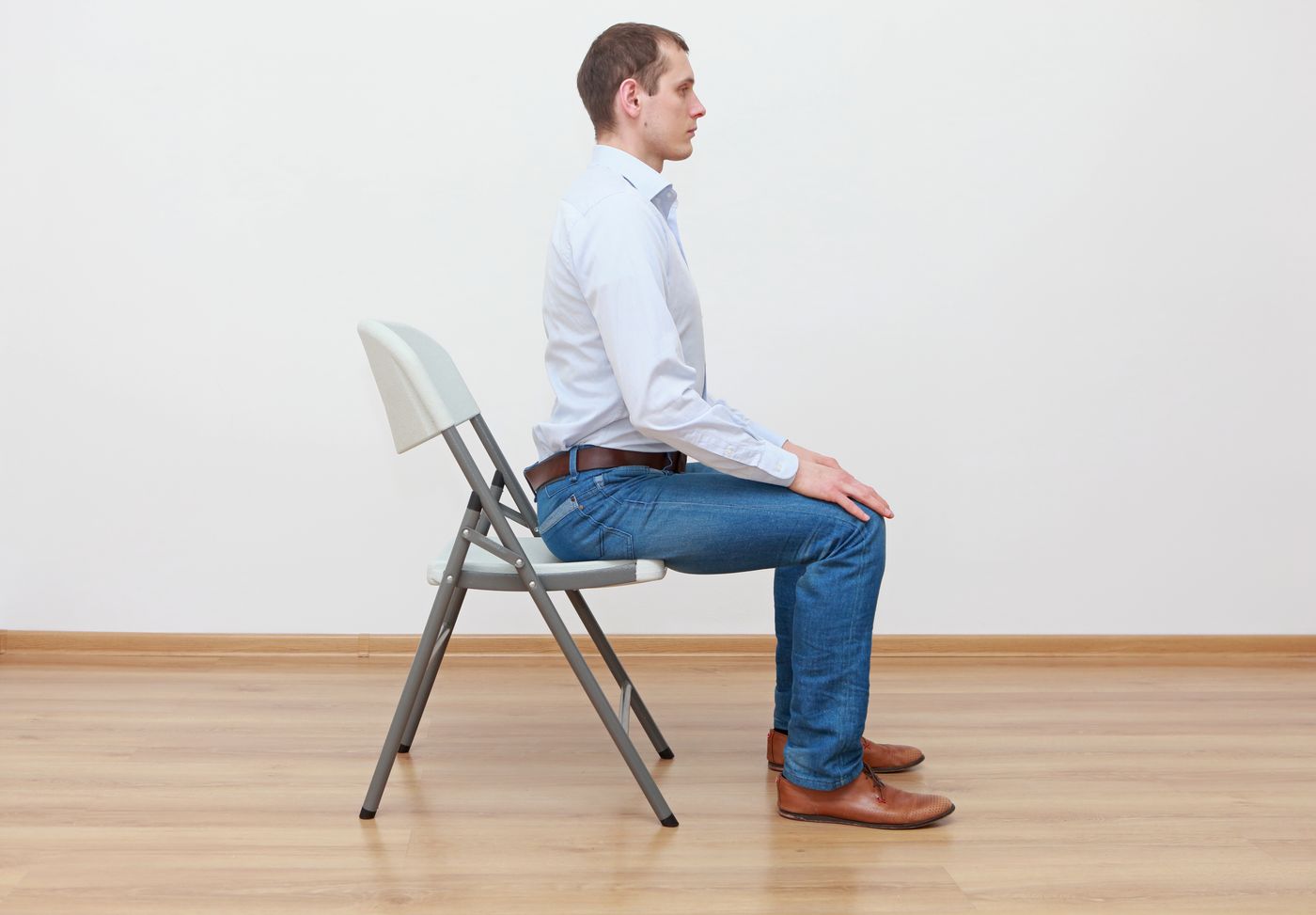
The finding isn't about how long you sit. It's about how you sit.
A study published in PLOS Medicine on September 2, 2026, analyzed activity data from 91,292 UK Biobank participants who wore wrist accelerometers for seven days and were then followed for a median of 12 years. The researchers specifically looked at the difference between two kinds of sedentary behavior: prolonged and uninterrupted (bouts of 30 minutes or more without getting up) versus interrupted (shorter bouts broken up by movement).
The results were not equivalent. Each additional hour of prolonged, uninterrupted sitting per day was associated with a 9% higher risk of dying from cancer. Each additional hour of interrupted sitting showed the opposite pattern — associated with lower cancer risk across all outcomes.
What "Prolonged" Actually Means
The study's most important clarification is one that most coverage of sitting-and-health research has missed: the threshold isn't total sitting time. It's continuous sitting time.
Sitting for six hours broken into 20-minute stretches is not the same as sitting for six hours in one unbroken block. According to the University of Glasgow researchers who led the study, interrupted sedentary time — sitting that is regularly broken up with standing, light movement, or activity — was consistently associated with lower cancer risk, not higher.
The specific cancers showing elevated risk from prolonged sitting include esophageal, liver, kidney, pancreatic, colorectal, breast, ovarian, and thyroid cancers — all obesity-related and type 2 diabetes-related cancer types, alongside overall cancer mortality. The researchers found elevated risks for both cancer incidence and cancer death.
What You Can Do in an Hour
The most actionable finding in the study concerns what happens when you replace prolonged sitting with something else. The magnitude of benefit depended on the intensity of the replacement activity:
Replacing one hour of prolonged sitting with light physical activity — walking around the office, light housework, casual movement — was associated with a 12% lower risk of cancer death.
Replacing 30 minutes of prolonged sitting with moderate activity (brisk walking, more active housework) was associated with an 8% lower risk.
Replacing just 5 minutes of prolonged sitting with vigorous activity — something that gets your heart rate up — was associated with a 22% lower risk.
The implication: the intensity of the replacement movement matters, but even the least intensive substitution produced meaningful risk reduction. Standing up and walking to refill a water glass is better than sitting through the hour.
Why This Finding Is Different From What You've Heard Before
Most existing public health guidance about sedentary behavior focuses on total time spent sitting. Sit less. Stand more. That advice is not wrong — but this study suggests it's incomplete.
Two people who sit for the same total number of hours each day may face meaningfully different cancer risk profiles depending on whether that sitting is accumulated continuously or in shorter intervals. The person who sits for four uninterrupted hours at their desk faces higher risk than the person who sits for four hours but gets up every 20 minutes.
This reframes the practical question. The goal isn't just to sit less — it's to break up sitting more. A meeting you take standing. A five-minute walk after lunch. Standing while on a phone call. These interruptions appear to matter to cancer risk specifically, independent of how much you exercise otherwise.
The study is observational, which means it establishes association rather than proven causation — participants weren't randomly assigned to sitting patterns and followed to measure outcomes. The researchers note that more research is needed to confirm causal mechanisms. But the data comes from 91,292 people tracked for 12 years with objective accelerometer measurements rather than self-reported estimates, which gives it more reliability than most sitting-and-health research.
The Habit Worth Building Right Now

The takeaway isn't that sitting causes cancer or that you need to stand for your entire workday. It's that uninterrupted sitting — the kind where you sit down and don't get up until a meeting or a meal — carries a specific, measurable risk that broken-up sitting does not.
Set a timer for 25 to 30 minutes. Get up. Walk somewhere. Come back. Repeat.
According to Harvard Health's coverage of the study, this pattern of interruption is associated with lower risk across multiple cancer types, and the benefit appears across all levels of overall physical activity — meaning it isn't just for sedentary people. Regular exercisers who also sit for long uninterrupted stretches still appear to benefit from breaking that sitting up.
The habit doesn't require a standing desk or a gym. It requires remembering to stand up.