

About two thirds of Americans shower at least once a day. It's a number that holds across seasons, climates, and lifestyles — shower in the morning, feel like a functional human, begin the day. The interesting part is that dermatologists, almost unanimously, think it's more than most people need.
The question of shower frequency turns out to be more scientifically interesting than it sounds. Not because the answer is complicated — it largely isn't — but because the gap between what we actually do and what the evidence supports is wide enough to change how your skin behaves over time.
A Cultural Habit Dressed as a Hygiene Standard
Daily showering is a norm, not a medical guideline. Most people bathed far less frequently before the 20th century, and the current standard has as much to do with the rise of soap and personal care marketing as it does with dermatology. It also varies considerably by country — the American daily shower is not a global default.
Most dermatologists recommend showering two to three times per week for average adults — more if you're sweating heavily, working outdoors, or managing specific skin conditions. Daily showering isn't harmful under the right conditions, but it isn't necessary, and done the way most people do it, it actively works against skin health.
What Hot Water and Soap Are Actually Removing
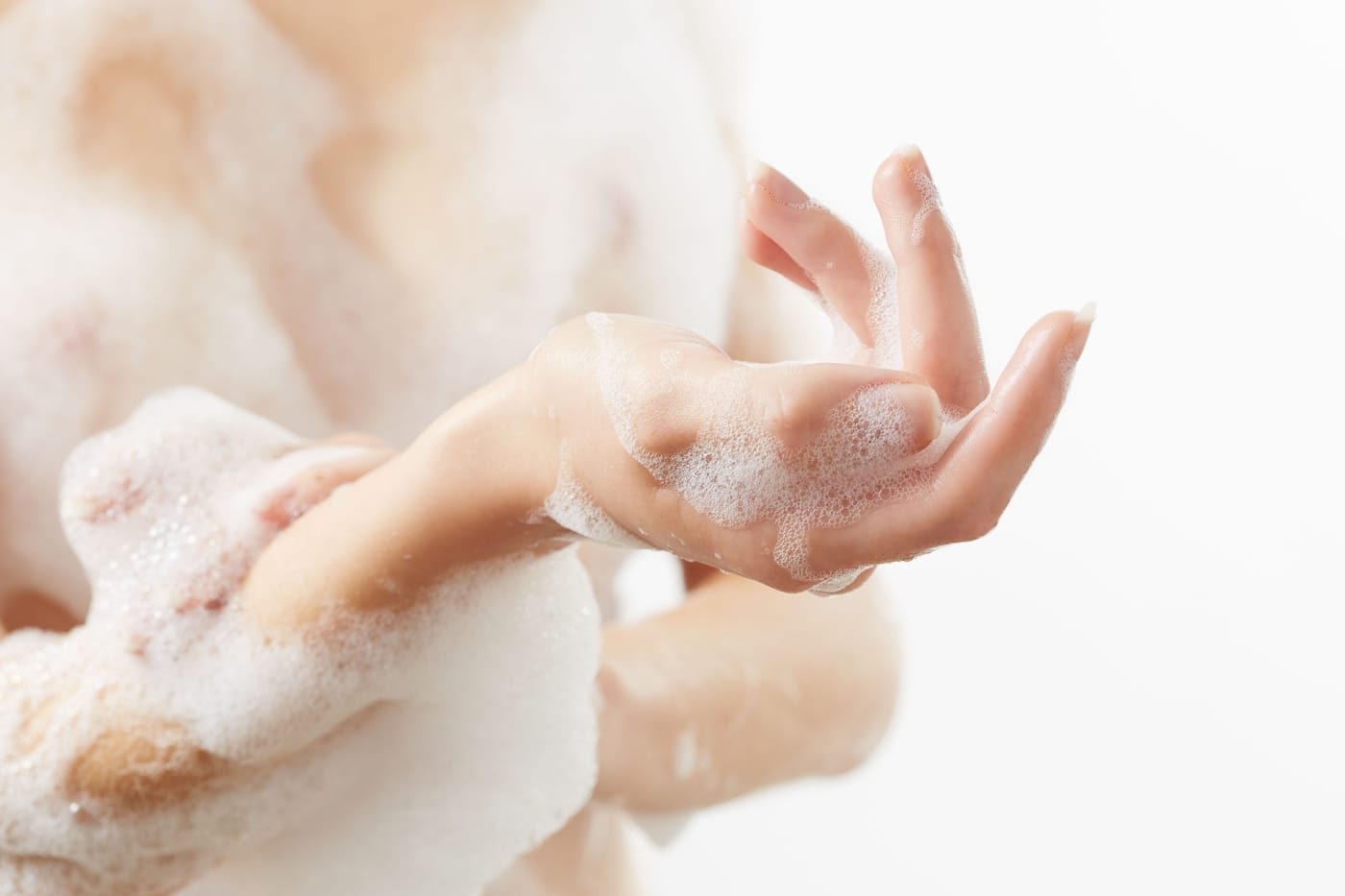
Your skin has two layers of protection that daily showering tends to erode. The first is the acid mantle — a thin, slightly acidic film that holds in moisture and shields against environmental irritants. The second is the skin microbiome — a community of beneficial bacteria, yeast, and microorganisms that regulate inflammation, prevent infections, and quietly support immune function.
Hot water strips the skin's natural oils faster than lukewarm water, and antibacterial or heavily fragranced soaps can wipe out beneficial bacteria along with the unwanted kind. The result over time: drier skin, increased sensitivity, and a disrupted microbial balance that can worsen conditions like eczema, psoriasis, and acne. Showering more — especially with hot water and strong soap — can produce the exact problems most people are trying to prevent.
A 2025 randomized controlled trial published in the British Journal of Dermatology found no meaningful difference in eczema symptoms between people who bathed weekly versus daily over a four-week period. The finding suggests the relationship between washing frequency and skin health is far more individual than standard hygiene advice implies — and that more is rarely better.
Who Actually Needs a Daily Shower
Daily showering does make genuine sense in specific circumstances. Regular intense exercise, outdoor physical work, hot and humid climates, oily skin types, and certain medical conditions all warrant it. The point isn't to shower less as a blanket rule — it's to stop treating daily showering as a default hygiene requirement when it may not be serving your skin or your schedule.
For many adults in sedentary or climate-controlled environments, the main reason they shower daily is habit. Which is fine — but it's worth knowing the habit may be doing more for your sense of routine than for your actual skin.
Technique Matters More Than the Calendar

Dermatologists consistently identify technique as the larger variable. Lukewarm water over hot, gentle fragrance-free cleansers over antibacterial formulas, short showers over long ones, moisturizer applied immediately after drying — these adjustments make a larger difference to skin health than whether you shower every day or every other day.
Focus soap on areas that actually accumulate bacteria and odor — armpits, groin, feet — rather than lathering uniformly across skin that doesn't need it. The parts of your body that don't sweat heavily don't need daily soap; water alone rinses them effectively. The idea that every square inch requires daily cleansing is a product of advertising more than anatomy.
The Part That Requires Letting Go of a Habit
Shower frequency feels personal, which is partly why dermatologists raising the question keeps generating strong reactions. But the science here is consistent and not particularly contested. The daily shower is cultural. The microbiome is real and not optional. And adjusting doesn't require anything dramatic — just a willingness to let a deeply familiar routine get a little scrutiny.














