
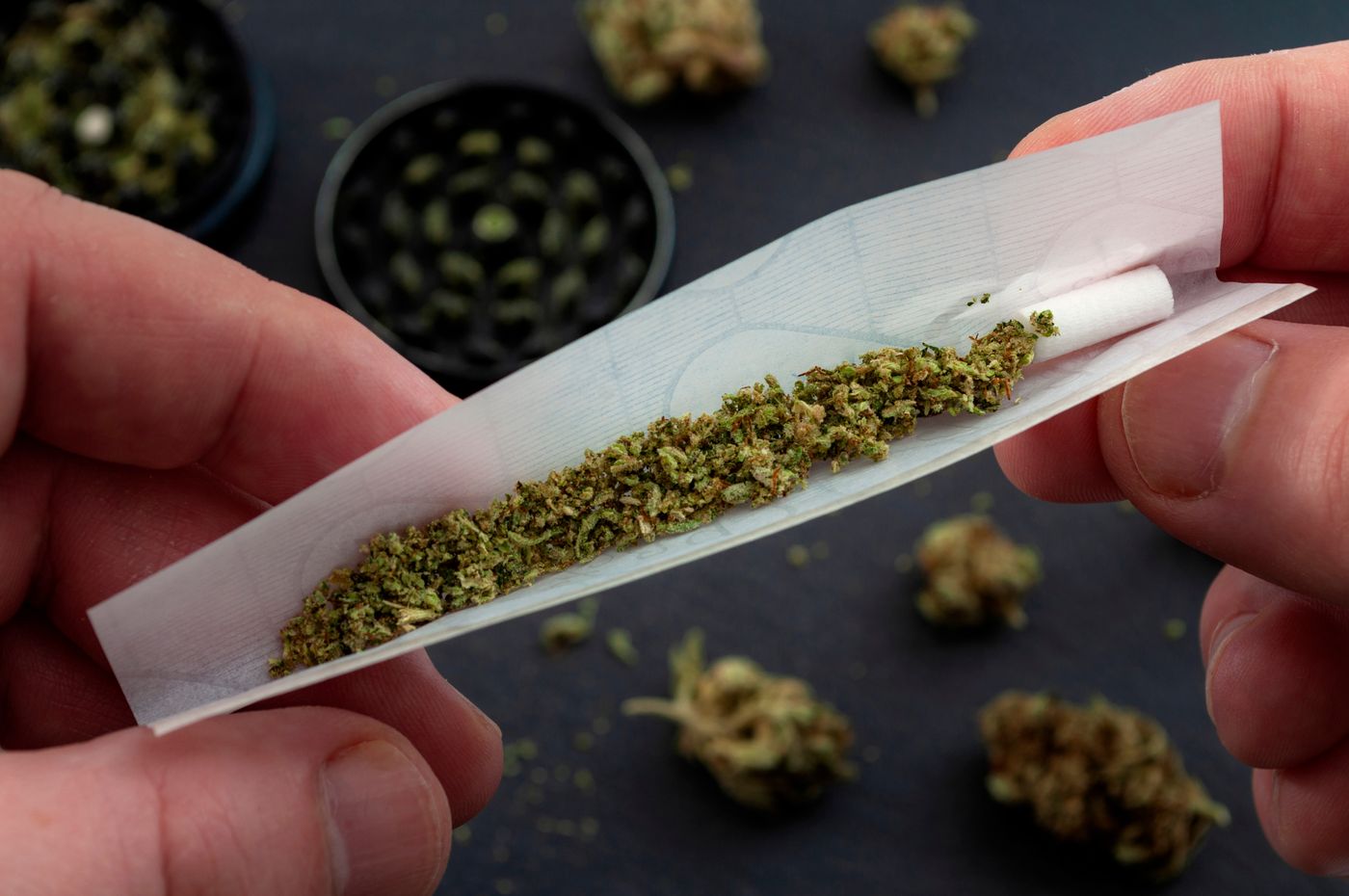
Cannabis has spent the last decade acquiring a reputation for safety. Legalization movements across the US and Europe have helped normalize recreational use. Edibles and vapes have removed the stigma of smoking. Wellness culture has embraced CBD. The perception — that cannabis is the soft option, meaningfully different from "real" drugs — has never been more widespread.
The largest study ever conducted on cannabis and stroke suggests that perception is missing something significant.
A team from the University of Cambridge analyzed data from 32 studies comprising more than 100 million participants and published their findings in the International Journal of Stroke. The result: cannabis use is associated with a 37% higher risk of stroke compared to non-users.
What the Study Found
The study examined the relationship between three commonly used recreational drugs and stroke: cannabis, cocaine, and amphetamines. All three showed elevated risk. Cocaine was associated with a 96% higher stroke risk. Amphetamines were associated with a 122% increase. Cannabis, the most widely used of the three, showed a 37% elevation.
Notably, opioids — which carry their own severe health risks including overdose — showed no statistically significant association with stroke in this analysis.
The scale of the study matters. Meta-analyses pool data across multiple studies, allowing researchers to draw conclusions that no individual study could support. At more than 100 million participants across 32 studies, this is among the most robust epidemiological investigations into drug use and stroke ever conducted.
Why This Finding Is Different
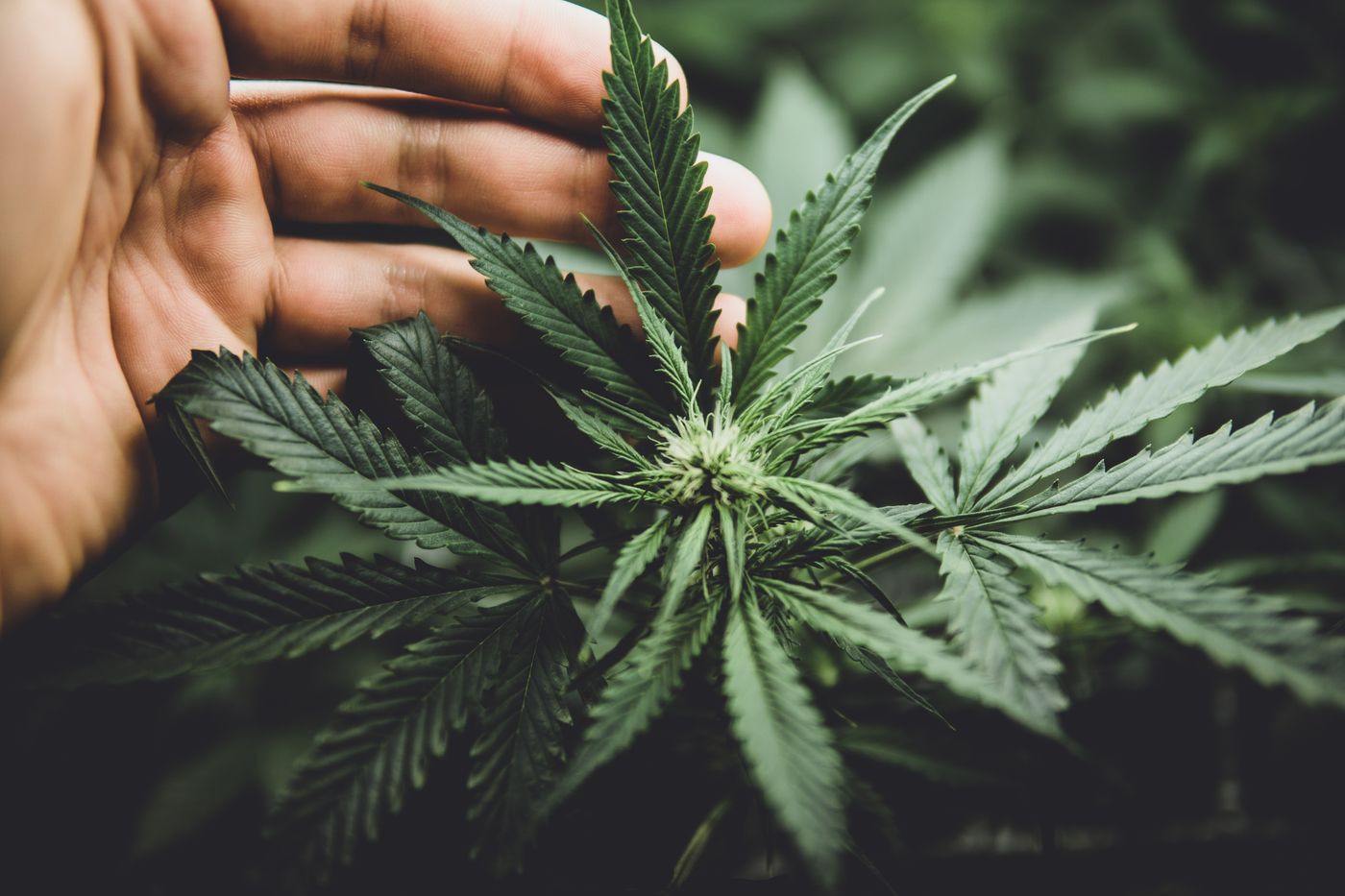
Previous studies linking cannabis to cardiovascular events have been challenged on the grounds that cannabis users may share other lifestyle factors — diet, physical activity, tobacco use — that independently raise stroke risk. The researchers at Cambridge specifically addressed this by using a method called Mendelian randomization, which uses genetic variants to test for causal relationships rather than simple correlations.
The analysis found evidence of a direct relationship between cannabis use and stroke — not merely an association that could be explained by confounding lifestyle factors.
"Our analysis suggests that it is these drugs themselves that increase the risk of stroke, not just other lifestyle factors among users," said Dr. Eric Harshfield, senior author on the study, from Cambridge's Department of Clinical Neurosciences.
The plausible mechanism: cannabis use affects the cardiovascular system directly, causing changes in blood pressure and heart rate, and may contribute to the formation of blood clots or arterial spasm — conditions that can trigger ischemic stroke.
The Finding About Younger Adults
Stroke is typically understood as a condition of older age. What this study adds — and what is particularly relevant to adults in their 40s and 50s — is the finding that recreational drug use is raising stroke risk specifically among younger people.
Among adults under 55, amphetamine use was linked to a 174% increase in stroke risk. Cannabis showed elevated risk in this age group as well. The researchers emphasized that this is the demographic in which drug use is most common and in which stroke is currently increasing.
Stroke in younger adults tends to produce longer-lasting consequences, precisely because there are more years of life left to live with the disability it causes. A 45-year-old who has a stroke faces a different trajectory than a 75-year-old.
The Context Nobody Is Talking About

Cannabis is now legal for recreational use in 24 US states and for medical use in many more. Usage rates in the 35-55 demographic have grown substantially over the past decade — driven by legalization, by the broad availability of edibles and low-smoke formats, and by a general perception that it is a health-neutral or even health-positive choice compared to alcohol.
The Cambridge researchers specifically noted that as cannabis use increases driven by legalization and reduced social stigma, understanding its health effects is increasingly urgent. The authors recommend that stroke prevention strategies — the conversations that happen between patients and physicians — begin explicitly addressing substance use, including cannabis.
That conversation is not currently happening consistently in clinical settings. The 37% figure suggests it should be.














