

Outside the emergency room entrance, Katie Winschief floated above her body as paramedics rushed her toward the hospital doors. Everyone on the ground grew smaller as she drifted higher. She could make out the top of the hospital, then the mall next door. A glowing light appeared in the distance.
In a flash, she was pulled through it — into an ethereal room without borders. Across from her was a figure with the most vibrant greenish-blue eyes she'd ever seen. She'd never felt such overwhelming joy.
She wasn't dreaming. She was, by clinical measures, dying.
What 60 Million Americans Have Reported
Katie's account is not unusual. Researchers estimate that as many as one in 20 people have had a near-death experience — but a survey by the International Association for Near-Death Studies found something more startling: nearly a quarter of American adults, more than 60 million people, reported having one.
These aren't fringe accounts. Jamie Foxx described seeing "the tunnel" during a medical emergency in 2023. Jeremy Renner, while unconscious after being crushed by a snow plow that same year, wrote in his memoir that he "could see everything all at once." Elizabeth Taylor famously described floating above her body during a coma while filming Cleopatra.
The accounts are, to a striking degree, consistent: floating above the physical body, a panoramic sweep of life memories, a feeling of profound calm, a journey toward a light, and an encounter with a presence. What is remarkable is that this consistency holds across cultures, religions, countries, and centuries.
What the Dying Brain Is Actually Doing
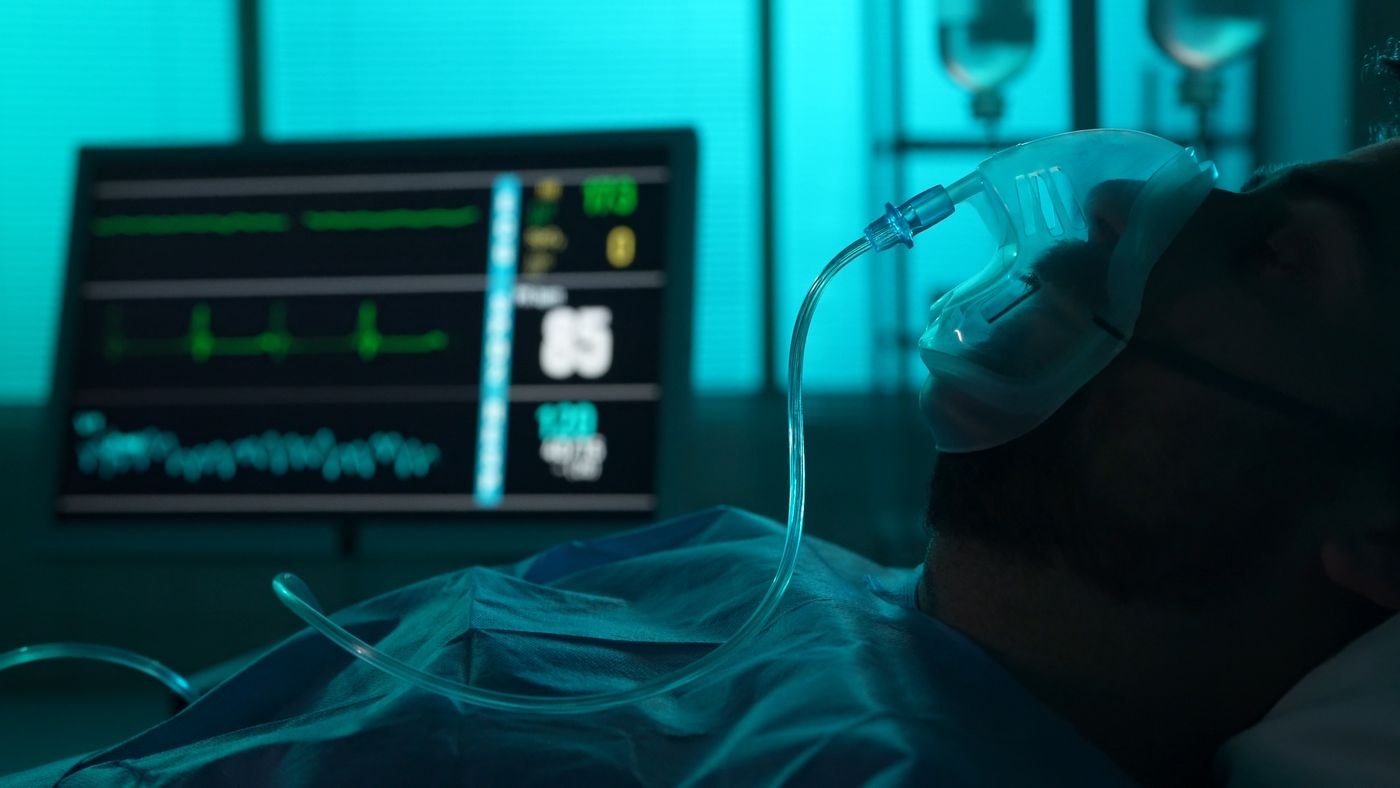
For decades, the scientific response to near-death experiences was dismissal. Oxygen deprivation. Hallucination. The brain misfiring on the way out. The research has gotten harder to dismiss.
Dr. Sam Parnia, a resuscitation scientist who has led the most rigorous studies of near-death experiences to date, found that one in five survivors of cardiac arrest reported lucid, structured experiences while they were clinically dead — no heartbeat, no oxygen reaching the brain. "These lucid experiences cannot be considered a trick of a disordered or dying brain," Parnia concluded. "But rather a unique human experience that emerges on the brink of death."
At the University of Michigan, neuroscientist Jimo Borjigin documented something even more unsettling. Her team studied patients who were comatose after cardiac arrest. In the seconds to minutes after their ventilators were removed — as they were, by every measure, dying — two patients showed dramatic spikes in gamma wave activity. Gamma waves are associated with the highest states of conscious awareness. The surges were concentrated in the temporal-parietal junction, the region of the brain most associated with conscious selfhood.
"Just before death, the brain is hyper-activated," Borjigin said. She doesn't rule out that this is the brain attempting to save itself. She also can't rule out that it isn't.
Why They All Describe the Same Thing
The cross-cultural consistency of near-death accounts is the detail that researchers find most difficult to explain within a purely neurological framework. Someone raised in a Buddhist tradition and someone raised in an evangelical Christian tradition describe fundamentally the same experience — the same elements, in the same sequence — despite radically different beliefs about what death means and what, if anything, comes after it.
"The evidence suggests that consciousness may continue for a time after clinical death," said Dr. Bruce Greyson, a psychiatrist at the University of Virginia who has studied near-death experiences for more than 40 years. Greyson is careful about what he claims this proves. What he is no longer careful about is dismissing it.
The Part That Bends Time
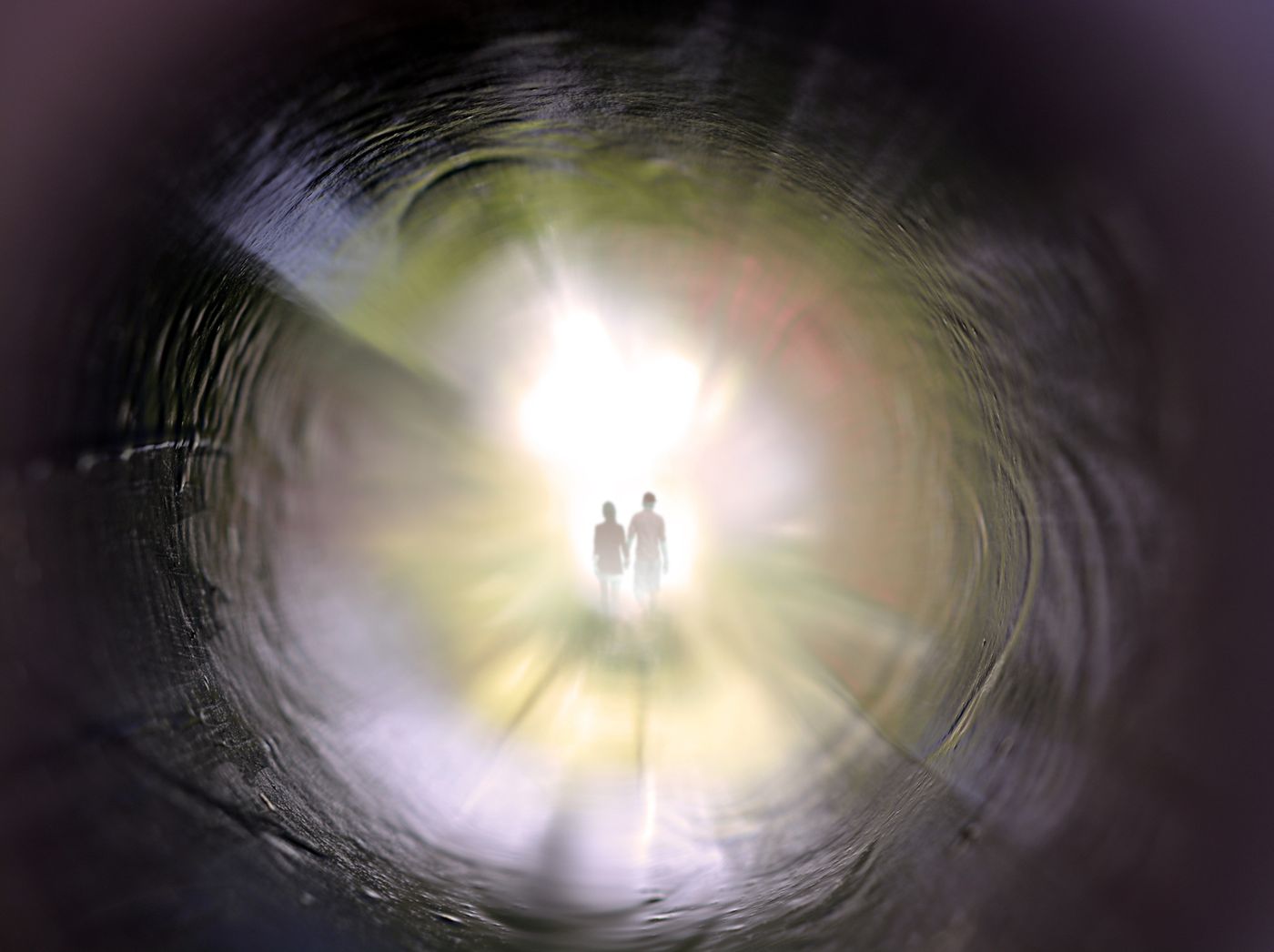
One aspect of near-death experiences that researchers are only beginning to study: how long they seem to last. Accounts frequently describe experiences that felt like hours, days, or even years — while the person was clinically dead for minutes. The brain's capacity to distort subjective time is well-documented in extreme states; the dying state, with its gamma wave surges and altered biochemistry, appears to create exactly the conditions for radical time distortion.
Some accounts in the IANDS archives describe experiences spanning what felt like sixty years — in what was, externally, thirty minutes of unconsciousness.
What is happening in those thirty minutes — whether it is neurology, something beyond neurology, or something that current science lacks the framework to categorize — remains genuinely open. What is no longer open is whether the experiences are real to the people who have them.
Sixty million Americans say yes. The dying brain appears to agree.














