

Casey Price was 17 weeks pregnant when a routine ultrasound flagged something wrong. The baby looked small. Something might be off. Casey and her husband Jonathan had been through pregnancy loss before — their daughter Evangeline, now three, had been a twin, and they had lost the other. "We know that things can go wrong," Jonathan told People magazine. "We know that we're not the ones in control of all this."
What the doctors eventually found was a tight intestinal obstruction — a constricted opening that was blocking blood flow to the baby's intestines. Left untreated, the condition posed serious risks to the pregnancy. The standard options carried their own risks. Then a specialist offered another possibility.
A Procedure Done a Handful of Times in the World
The solution was Botox. Injected directly into the tight opening in utero, the botulinum toxin would relax the constricted muscle — widening the passage and restoring blood flow to the intestines. The same mechanism that smooths facial muscles in cosmetic procedures would, in this case, open a critical pathway for a baby who needed more time to grow.
"I thought perhaps I could solve the problem and buy more time for the baby to grow," the specialist said.
The procedure had been performed only a handful of times globally. There was no established protocol, no large clinical study to draw from. Casey prepared herself for a range of outcomes — nerve damage, surgical intervention after birth, a child who might not be able to eat normally. "The spectrum of what could have gone wrong was pretty big," she said.
The Youngest Botox Patient in the World
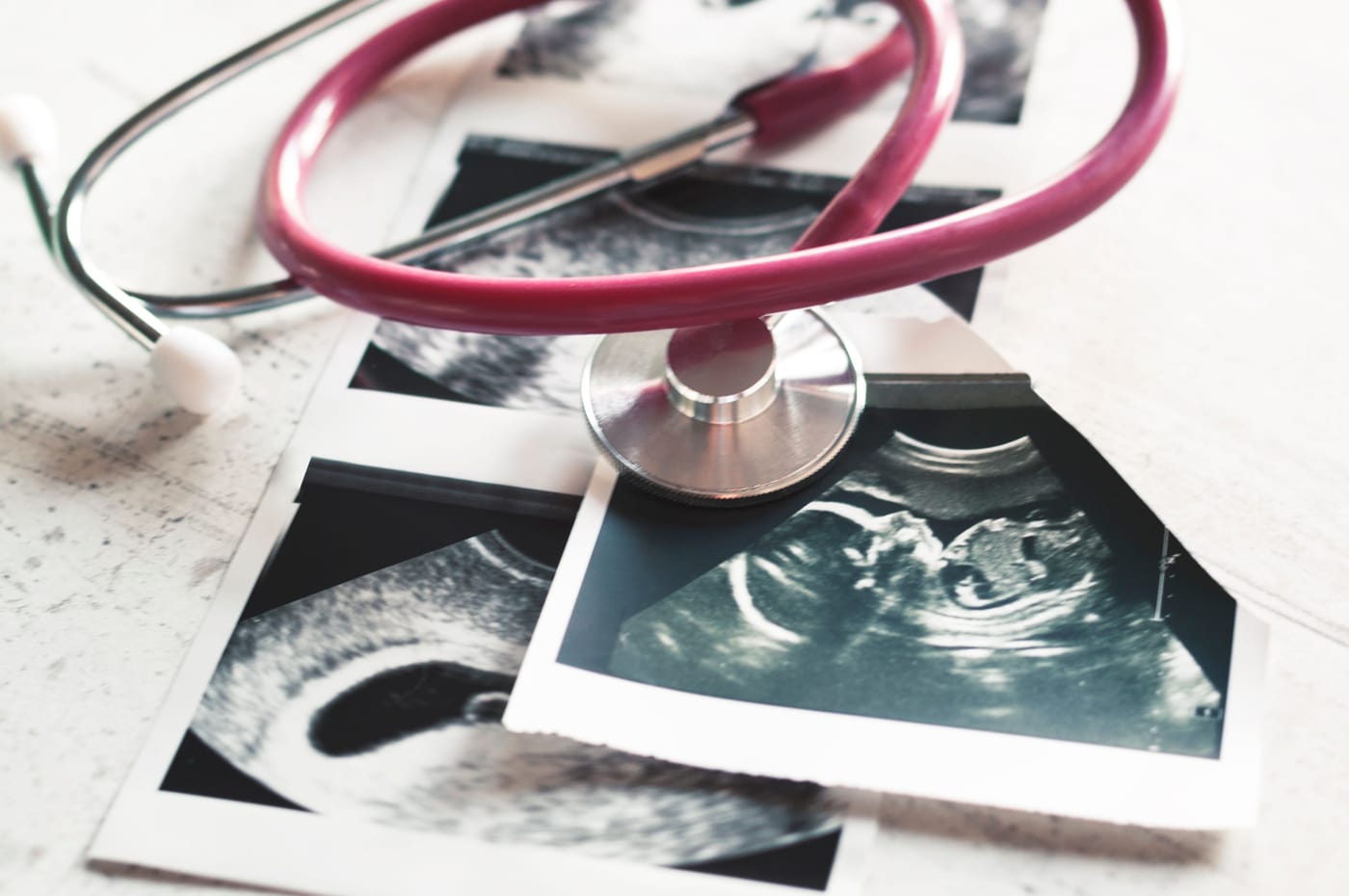
Noel Price was born in March 2026. She is healthy. Her mother, reflecting on the surreal fact of what saved her daughter's life, couldn't resist the observation: "She might be one of the youngest people in the world with Botox."
The joke holds a genuine truth. Noel received botulinum toxin before she was born. The drug most commonly associated with smoothing lines on adult faces was, in her case, a life-sustaining medical intervention administered before she took her first breath.
Botox Is Already a Medical Tool — Not Just a Cosmetic One
Most people think of Botox as a cosmetic treatment. The full picture is considerably broader. Botulinum toxin has been approved by the FDA for more than a dozen medical conditions, including chronic migraine prevention, overactive bladder, cervical dystonia (involuntary muscle contractions in the neck), excessive sweating, and certain types of spasticity. It's used in pediatric medicine to treat muscle conditions in children with cerebral palsy. It's been explored as a treatment for depression.
The cosmetic application — wrinkles — is one of the most visible uses but far from the most medically significant. What Botox does, at its core, is temporarily relax muscle activity. That mechanism, applied precisely, has proven useful in contexts that have nothing to do with appearance.
Noel's case is unusual even within the medical literature — in utero administration for intestinal obstruction is rare enough to be nearly unprecedented. But it sits within a long line of unexpected applications for a drug that has consistently found new uses beyond the one that made it famous.
What This Story Is About
The Price family's story is, in one sense, a medical curiosity — a procedure so rare it barely exists in the clinical literature, performed on a family that had already experienced what pregnancy loss feels like.
In another sense, it's a reminder of what medicine at its edges looks like: a specialist willing to try something that had rarely been done, on behalf of parents who were willing to trust it, producing a baby girl who is, by any measure, one of the more remarkable Botox patients in the world.














