
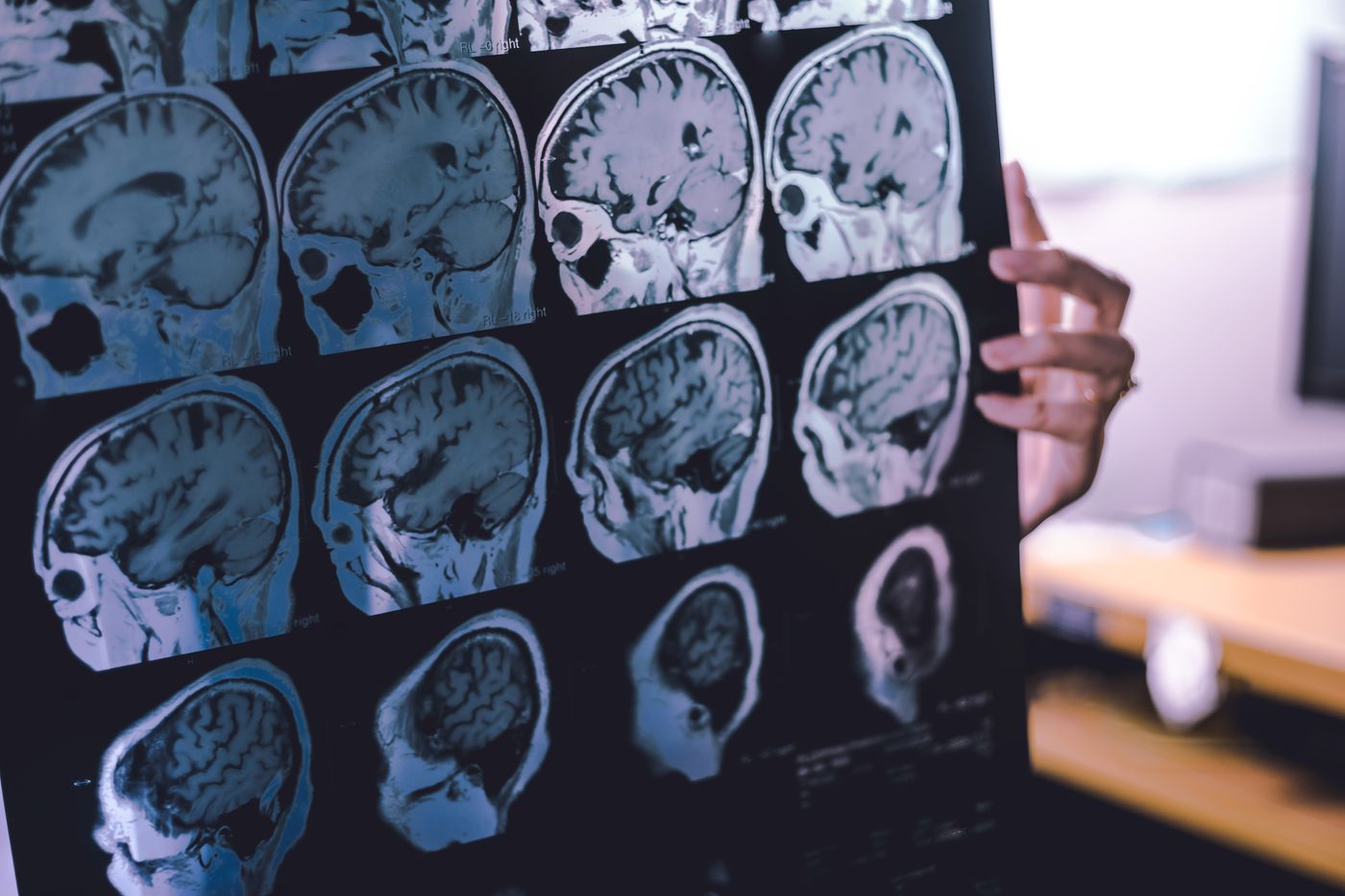
More than 55 million people worldwide are currently living with dementia, with nearly 10 million new cases diagnosed every year. Researchers are investing billions in understanding the condition — the US government alone now spends $3.9 billion annually on dementia research. And yet public understanding of dementia lags badly behind the science.
Dr Antonella Santuccione Chadha, a neuroscientist and CEO of the Women's Brain Foundation, sat down with BBC Science Focus to correct six widespread myths that continue to shape how people think about dementia — and in some cases, delay them from taking action that could matter enormously. Several of these myths are ones you probably hold yourself.
Myth 1: Symptoms Start in Old Age
The most dangerous myth on the list because it produces the most dangerous delay. People assume dementia is something that happens in your 70s and 80s, so changes in mood, motivation, behavior, or cognition in your 50s and 60s get attributed to stress, aging, or personality — and go unexamined.
"Dementia starts 20 years before symptoms manifest," Dr Chadha says. In Alzheimer's disease, the amyloid and tau proteins that drive cognitive decline can accumulate in the brain for decades before causing any noticeable symptoms. By the time a formal diagnosis is made, significant damage has often already occurred.
Frontotemporal dementia is most commonly diagnosed between the ages of 45 and 65. Early-onset Alzheimer's can appear before 60. The early warning signs — subtle shifts in mood, energy, motivation, or behavior — are easy to miss and easier still to dismiss. "If symptoms continue for several months," Chadha says, "discuss them with a healthcare professional."
Myth 2: It's Mainly About Memory

The image most people carry of dementia centers on memory loss — forgotten names, lost keys, confusion about familiar places. But memory loss is often not the first thing to appear, and in some forms of dementia it's not the primary symptom at all.
"Alzheimer's is about much more than memory," Chadha explains. "It's about how you function." Early signs frequently include changes in movement, repeated falls, tremors, or difficulty performing tasks that were previously automatic. Someone who has made coffee the same way every morning for 30 years suddenly cannot follow the steps.
Vascular dementia — the second most common type — affects executive function more than memory in its early stages. The first symptoms are more likely to be slower thinking, difficulty concentrating, or trouble with planning and decision-making. This doesn't look like what most people picture as dementia, which is exactly why it gets missed.
Myth 3: Genes Are Destiny
Some people carry genetic variants that significantly increase their dementia risk. APOE4 is the most studied — carrying two copies, as actor Chris Hemsworth discovered through genetic testing for a documentary, places someone in a substantially higher-risk category.
But carrying a risk gene is not the same as having a predetermined fate. Researchers now estimate that up to 45% of dementia cases could potentially be delayed or reduced through lifestyle. Regular exercise, strong social connections, adequate sleep, vitamin D monitoring, omega-3 intake, and continued cognitive engagement all show protective associations in the research.
The most important caveat on sleep: it's not just about duration. Consistency matters — going to bed and waking at similar times, allowing for deep restorative sleep, keeping the bedroom cool and dark. The brain clears metabolic waste during deep sleep. Without it, the waste accumulates.
Myth 4: Women and Men Experience It the Same Way

This myth has a specific consequence: women are frequently diagnosed later than men, even when the underlying disease progression is the same.
The reason: women tend to retain verbal memory longer — on average 2.7 years longer than men at the same stage of disease. This means they can continue to perform well in conversations even as changes are occurring elsewhere in the brain. They appear to be coping. The diagnosis comes later.
The cost of that delay is steep. Once decline does occur in women, it is significantly faster — researchers have found a 25 to 50% faster deterioration in cognitive abilities in women once the downward trajectory begins.
Women are also more likely to show early symptoms that resemble mental health conditions — anxiety, depression, social withdrawal, sleep problems — rather than the cognitive changes most people associate with dementia. Men are more likely to display behavioral changes like impulsiveness or aggression. Two people with the same disease at the same stage can present in completely different ways.
Myth 5: HRT Protects Against Dementia
Women are diagnosed with dementia more often than men, which has prompted researchers to investigate whether the hormonal changes of menopause play a role. Oestrogen appears to support brain health — helping neurons function and potentially aiding the clearance of amyloid. When oestrogen drops sharply during menopause, some people have reasoned that hormone replacement therapy might offer brain protection.
The logic is plausible. The evidence, Chadha says, is not there. While HRT is effective for managing menopausal symptoms like hot flushes and night sweats, there is currently no convincing evidence that it slows cognitive decline or prevents dementia. The two things — symptom management and dementia protection — are not the same, and conflating them can lead to misplaced expectations in either direction.
Myth 6: Brain and Heart Are Separate Systems
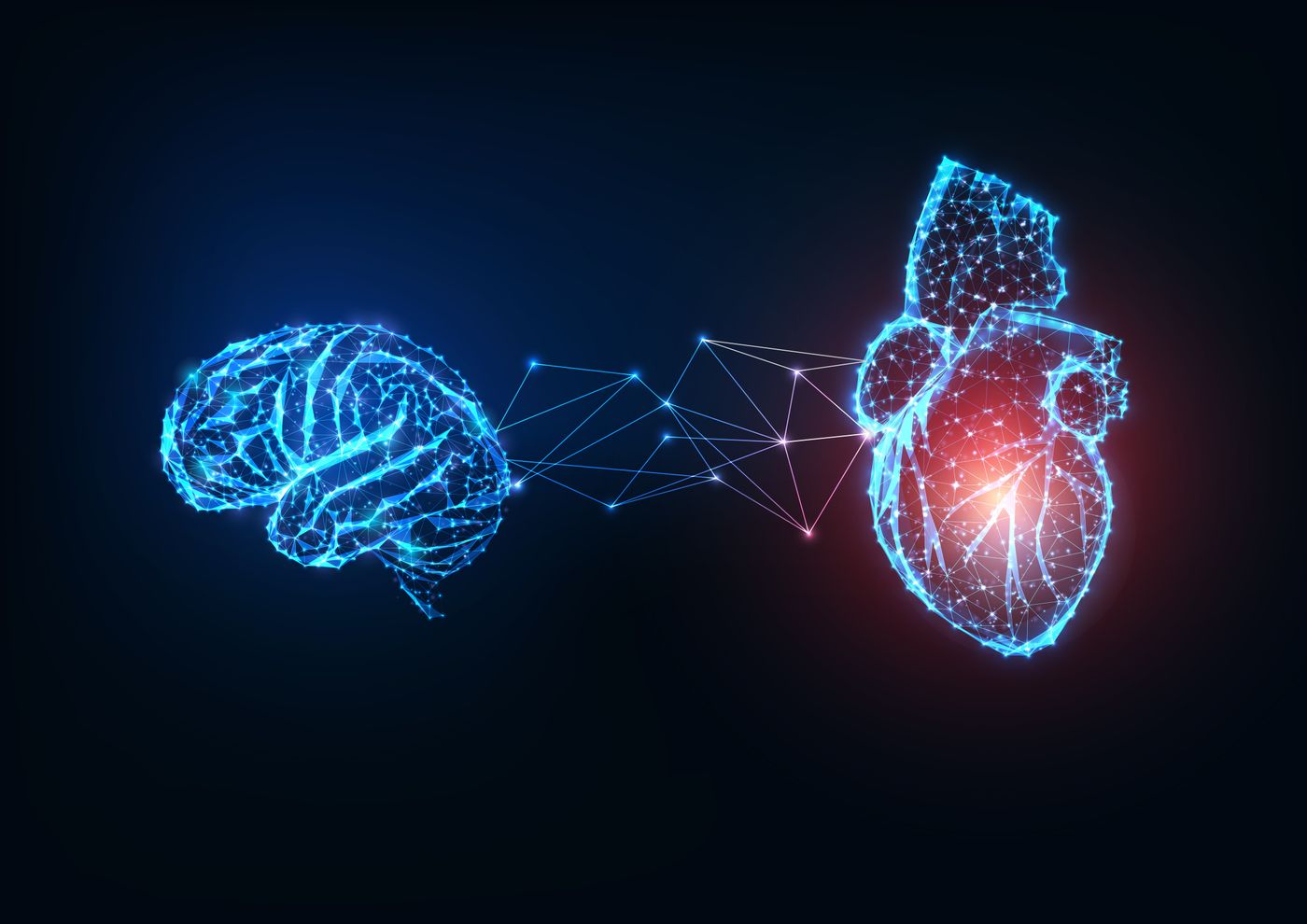
Perhaps the most actionable myth on this list: that protecting your brain is primarily about mental exercises and cognitive engagement.
The brain requires a continuous supply of oxygen and nutrients delivered through the circulatory system. When cardiovascular health deteriorates — through high blood pressure, narrowed blood vessels, or conditions that increase stroke risk — the brain suffers directly. Reduced blood flow impairs the brain's ability to clear waste products, potentially worsening the buildup of the proteins associated with Alzheimer's.
"My strong recommendation for people with cardiovascular risk factors is to check their brain with an MRI," Dr Chadha says. Protecting brain health, in other words, begins with the same decisions that protect heart health: blood pressure management, not smoking, exercise, and regular cardiovascular monitoring.














