
When Pamela Anderson was diagnosed with hepatitis C in the late 1990s, her doctor gave her an estimate: roughly 10 years to live. There was no cure. The virus attacked the liver, and medicine had no way to stop it. "It was a death sentence," she told the crowd at the amfAR Gala in Venice earlier this month. "That's what my doctor told me."
Ten years later, a cure existed. She is alive, cancer-free, and now uses the story to advocate for access to a treatment that many people still can't afford or don't know is available.
Most people know Pamela Anderson as the actress. Fewer know she spent more than a decade believing she was dying from a disease that is now — quietly, remarkably — one of the most curable conditions in modern medicine.
What Hepatitis C Actually Is
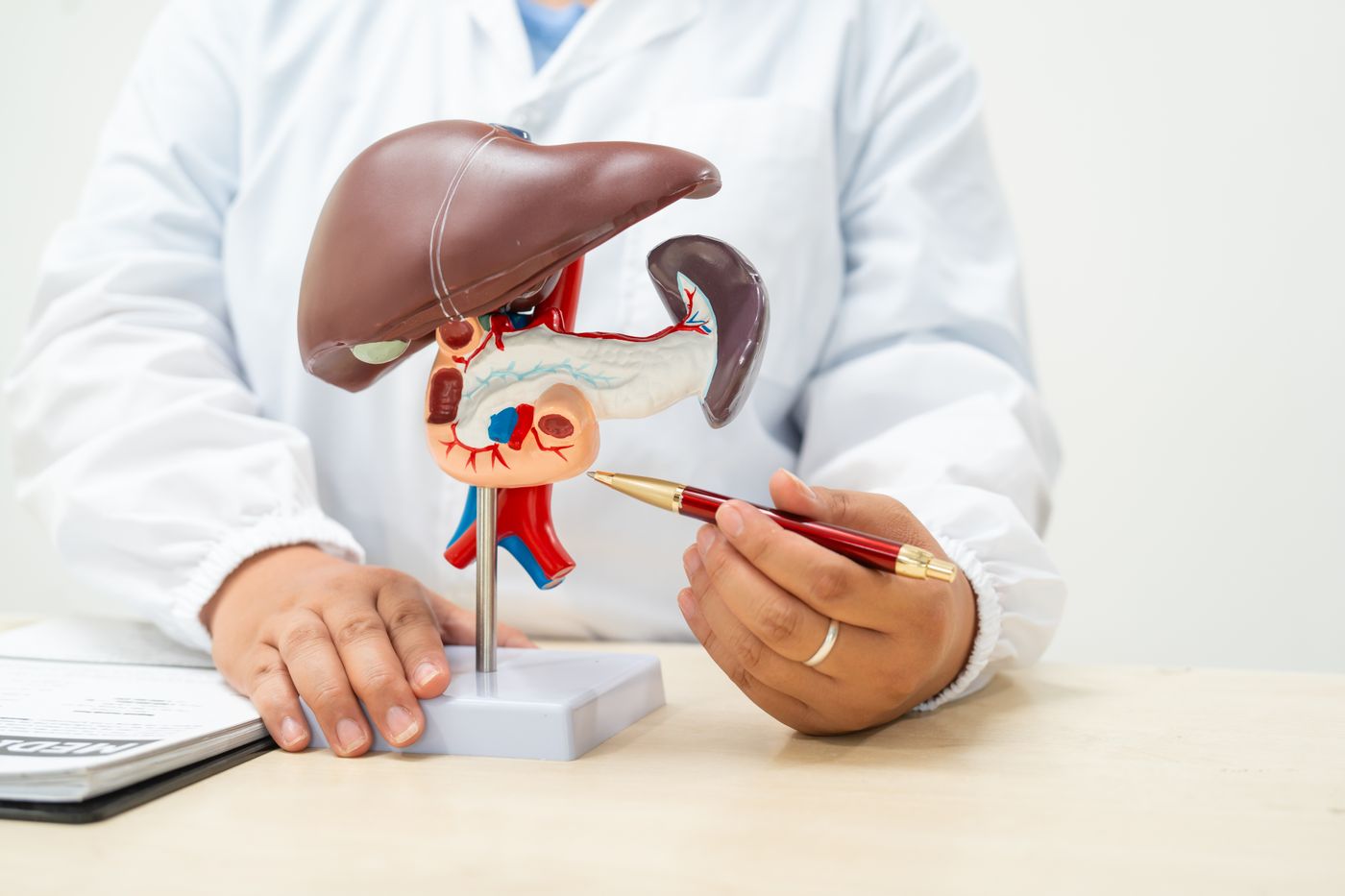
Hepatitis C is a viral infection that attacks the liver. It is transmitted through direct contact with infected blood — most commonly through shared needles, but also through medical procedures, tattoo equipment, and in rare cases sexual contact. Anderson said she contracted it after sharing a needle with Tommy Lee while married to him in the 1990s.
What makes hepatitis C specifically dangerous is its silence. Most people have no symptoms for years or decades. The virus works slowly — inflaming and scarring liver tissue over time — and many people don't know they have it until the damage is already significant. The CDC estimates that approximately 2.2 million Americans are currently living with hepatitis C infection, and many of them don't know.
Baby boomers — people born between 1945 and 1965 — have the highest rates of hepatitis C infection of any generation, roughly five times higher than other adults. The CDC recommends that everyone born in that window get tested at least once. For people who inject drugs or have had certain medical exposures, more frequent testing applies.
The Cure Nobody Knows About

Here is the piece of the Pamela Anderson story that most coverage has missed: hepatitis C is now curable for approximately 95 percent of people who receive treatment.
The breakthrough came in 2013, when a new class of medications called direct-acting antivirals became available. These drugs — taken orally for 8 to 12 weeks — eliminate the hepatitis C virus from the body in the vast majority of patients. By 2015, Anderson announced she was cured.
The cure rate of approximately 95% makes hepatitis C one of the most successfully treated chronic viral infections in medicine. HIV, by comparison, can be suppressed to undetectable levels but cannot currently be eliminated. Hepatitis C can be fully cleared from the body.
The treatment works regardless of how long someone has been infected, which genotype of the virus they carry, or whether they have liver damage — though treating earlier, before significant scarring occurs, produces better long-term liver outcomes.
The Access Problem That Persists
Anderson was careful, in her Venice speech, to describe the financial reality of what access looked like in 2015. "It took everything I had in my bank to pay for it," she said. "It wasn't covered by insurance yet, and I felt tremendous guilt that others weren't granted the same access."
That guilt reflects a real disparity that has not fully resolved. Direct-acting antivirals are expensive — a full course of treatment cost tens of thousands of dollars when first introduced. Insurance coverage has expanded significantly since 2015, and the treatments are now covered by most insurance plans and Medicare in the United States. Medicaid coverage varies by state, with some states still applying restrictions on who can access treatment.
According to the American Liver Foundation, many cases of hepatitis C go undiagnosed because people have no symptoms and don't know to get tested. The disease can progress silently from initial infection to cirrhosis — permanent liver scarring — and liver cancer over 20 to 30 years.
What to Do With This Information
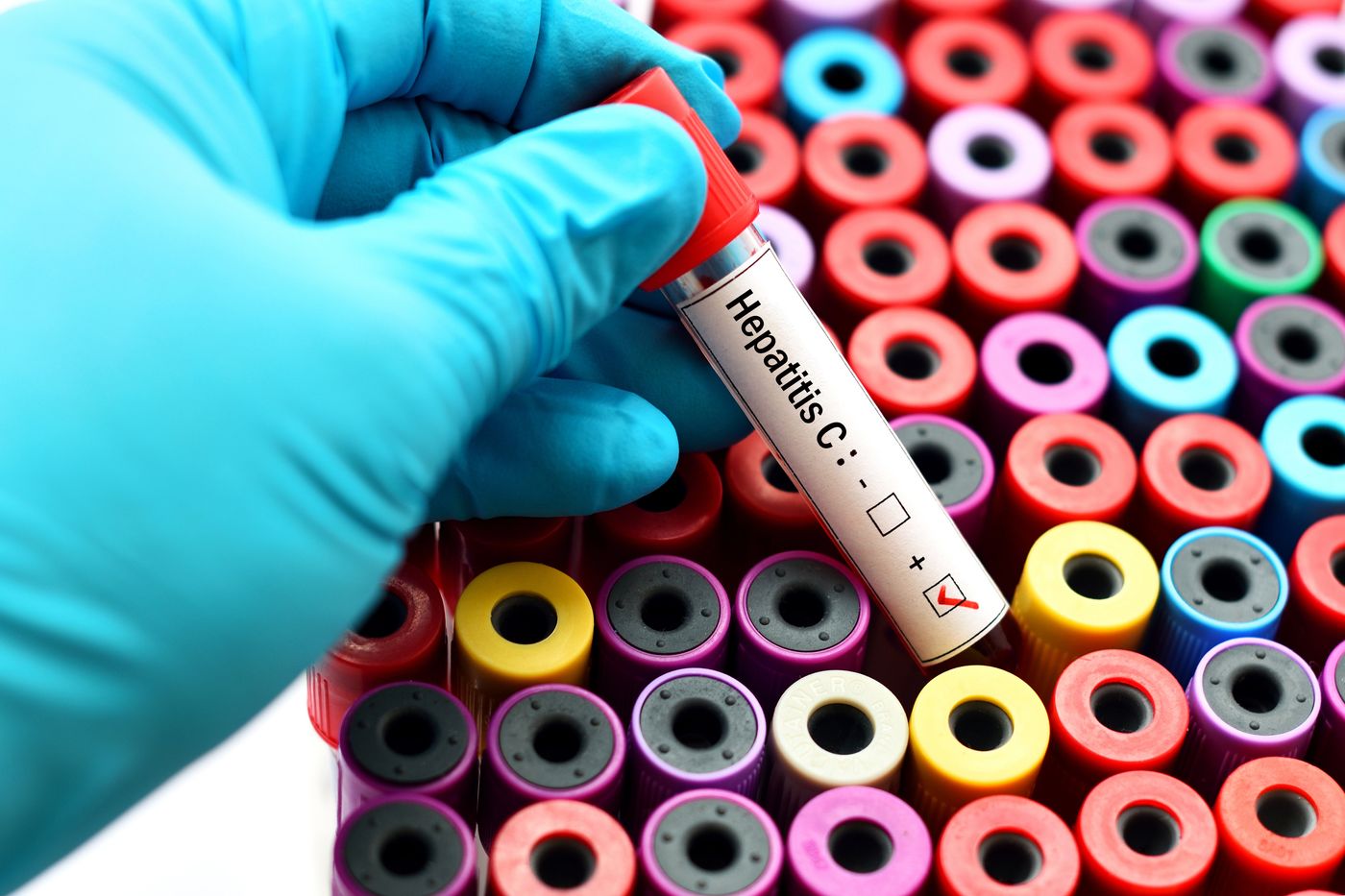
Anderson's advocacy asks for two things: get tested, and know that the cure exists.
The test for hepatitis C is a simple blood test. The CDC recommends it for all adults at least once, with additional testing for anyone who has ever injected drugs, received a blood transfusion before 1992, was born to a hepatitis C-positive mother, or has abnormal liver enzyme results without a clear cause.
A diagnosis of hepatitis C in 2026 is not the death sentence Anderson received in the late 1990s. It is a diagnosis that, in the vast majority of cases, can be followed by an 8-to-12-week course of oral medication and a cure.
"I'm not a victim," Anderson said at the amfAR Gala. "I'm a victor."