There is a problem with treating cancer that most people don't know about, and it's one that researchers have been quietly wrestling with for years. Traditional treatments — chemotherapy, radiation — work by aggressively attacking and killing cancer cells. But some cancer cells respond to this pressure in a specific and alarming way: they revert to a more primitive, stem-cell-like state. Once there, they are more invasive, more resistant to treatment, and more capable of seeding new tumors in other parts of the body.
A study published September 1 in Communications Biology found that a four-day pulse of ultra-low-dose THC — the active compound in cannabis — may offer a way to address this problem. Not by killing cancer cells, but by preventing them from becoming the dangerous kind in the first place.
What the Research Found
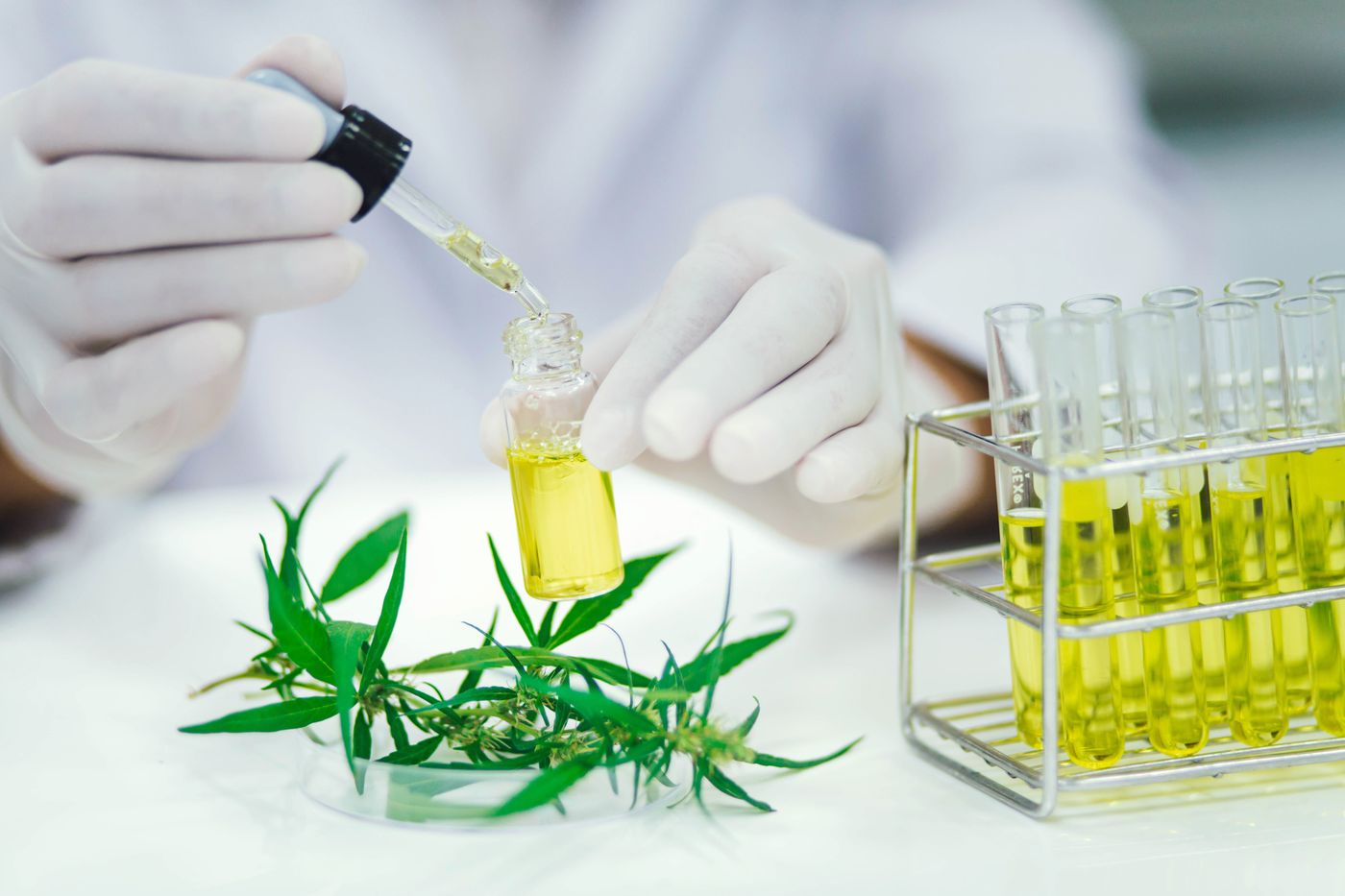
The study, led by researchers in Spain and published in Communications Biology, used 3D human tumor organoids — lab-built models made from real human breast cancer cells — to test the effect of brief THC exposure. After a four-day treatment with ultra-low doses, the cancer cells showed measurably reduced invasiveness, reduced self-renewal capability, and reduced ability to initiate new tumors.
The cells, in effect, were "locked in" to a less dangerous state. The researchers describe this as a shift from an immature, stem-like identity — the kind that makes cancer difficult to treat — to a more mature, differentiated identity that is less capable of aggressive behavior.
A critical finding for practical purposes: these effects were durable. When the researchers transplanted the THC-treated cancer cells into animal models, the tumors that developed were smaller, grew more slowly, and produced fewer lung metastases than those from untreated cells. The tumor-inhibiting effects persisted for up to 100 days — well beyond the four-day treatment window.
The Mechanism — and Why It Doesn't Get You High

The THC in this research is working through a receptor called CB2R — the CB2 cannabinoid receptor — rather than CB1R, the receptor responsible for the psychoactive effects of cannabis. CB2R is expressed throughout the body, including in immune cells and tumor tissue, and it plays a role in regulating cell development and immune function.
What the researchers found is that CB2R appears to act as a "regulator of tumor cell state" — essentially a gatekeeper of how differentiated or immature a cancer cell is. Manipulating it with brief, low-dose THC exposure pushed cells toward a more mature, less dangerous state and kept them there.
The dosing is described as "ultra-low" and "transient" — four days, not ongoing. This matters because the known risks associated with cannabis use — cognitive effects, addiction risk, cardiovascular implications — are associated with chronic, high-dose use. The researchers are explicitly investigating a mechanism that uses a very brief, very low exposure to achieve an effect that then persists without continued treatment.
The Tamoxifen Finding
The study produced one additional result that oncologists found particularly interesting. After THC treatment, the cancer cells became more sensitive to tamoxifen — a standard hormone-blocking drug used widely in breast cancer treatment.
This is a significant potential implication. A major challenge in breast cancer treatment is that cancer cells sometimes become resistant to tamoxifen over time, limiting its effectiveness. If a brief THC-based treatment could prime cancer cells to be more responsive to standard treatments, it could potentially extend the window in which existing therapies work.
The researchers are careful to note that this finding, like all the others in the study, is from lab models. Human breast cancer is complex, varies significantly across subtypes, and may respond differently from what these organoid experiments suggest.
What This Does and Doesn't Mean

This is laboratory research, not a clinical trial. The leap from tumor organoids and mouse models to effective human treatment is substantial, and many findings that look promising at this stage do not survive the transition to clinical study. That's not a reason to dismiss the finding — it's a reason to understand what it does and doesn't claim.
What it does claim: that brief, ultra-low-dose THC exposure can stabilize breast cancer cells in a less aggressive state through a specific receptor mechanism, and that this effect is durable in animal models and improves sensitivity to existing treatments.
What it doesn't claim: that cannabis treats or prevents breast cancer, that patients should add THC to their treatment regimens, or that this approach has been tested in humans.
"Our findings redefine CB2R as a regulator of tumor cell state," the researchers wrote, "and establish transient CB2R modulation as a strategy to durably constrain breast cancer plasticity through differentiation-based therapy."
That is a different approach to cancer than most of what has been tried before. The clinical translation — years of trials away, minimum — will determine whether it holds up.