A fourth person has died in Florida from Vibrio vulnificus — the bacterium that causes what is commonly called flesh-eating bacteria — according to the Florida Department of Health. The latest death involved a Broward County resident between the ages of 75 and 79. There have now been 20 confirmed infections in the state in 2026.
When we covered this outbreak in August, we focused on the route that generates the most alarming footage: open wounds exposed to warm coastal water. Swimming with a cut, wading in brackish water after a scrape. That's a real transmission route and the one that drove most of Louisiana's outbreak.
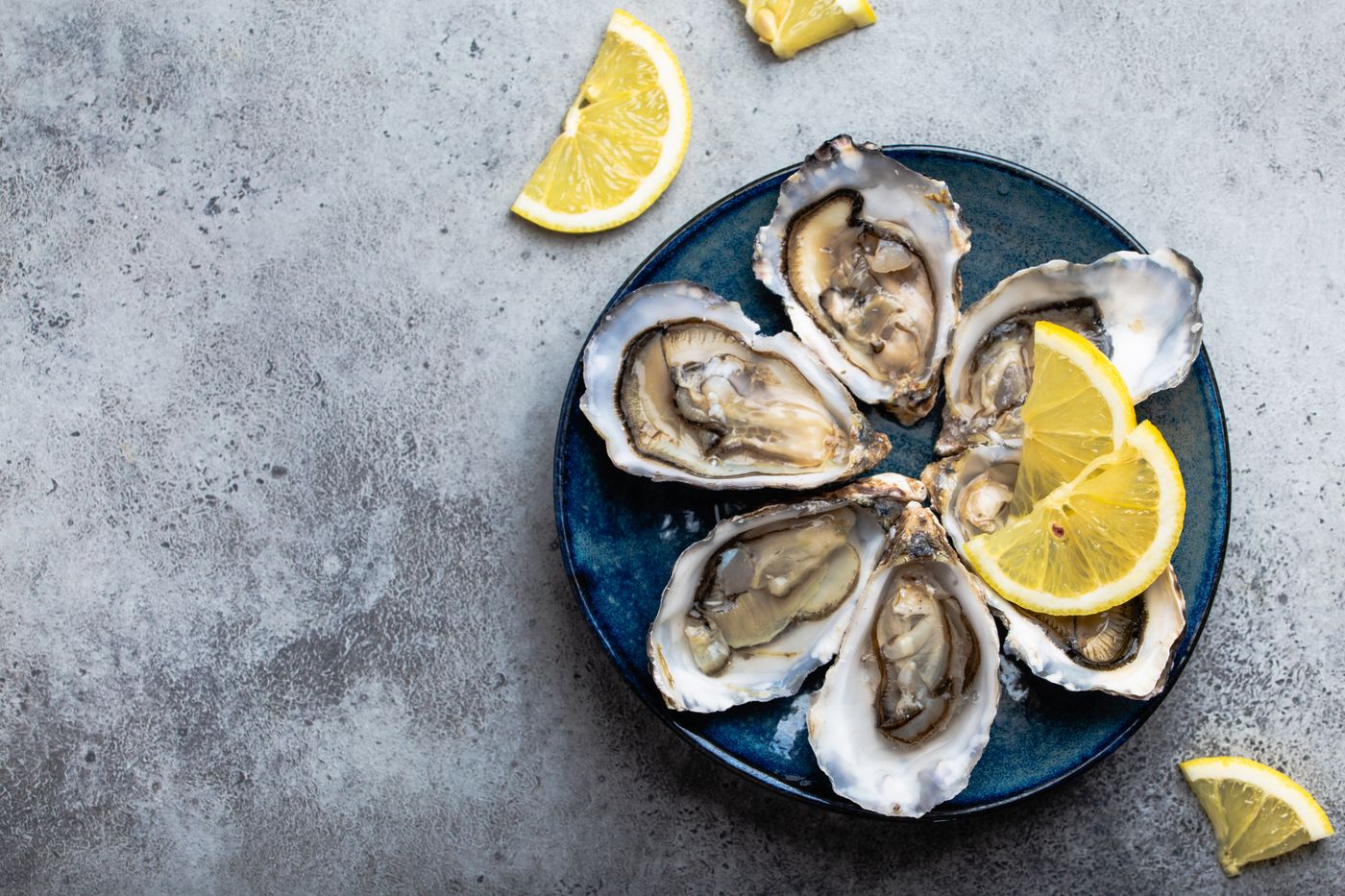
Florida's story this season looks different. The Florida Department of Health has linked many of this year's cases to eating contaminated oysters — not water exposure. The bacteria concentrates inside the shellfish, and when that shellfish is eaten raw or undercooked, it goes directly into the body.
Why Oysters Specifically
Oysters are filter feeders. They draw water through their tissue continuously, concentrating whatever microorganisms are present in the water. In warm coastal water where Vibrio vulnificus naturally thrives, the bacteria accumulate inside oysters at levels far higher than what exists in the surrounding water.
"Oysters prefer the same salinity of water as Vibrio vulnificus," said Valerie Harwood, a professor of biology at the University of South Florida who studies the bacteria. "Since oysters are filter feeders, they pull water and microorganisms into their digestive tract, and the bacteria get concentrated in their tissue."
Cooking kills the bacteria reliably. The Florida Department of Health recommends boiling shucked oysters, or frying them at 375°F for at least 10 minutes. The risk is specific to raw or undercooked shellfish — a distinction that matters at the raw bar.
Who Is at Highest Risk
Most healthy adults who contract Vibrio vulnificus will experience a mild to moderate illness: stomach cramps, vomiting, fever, diarrhea. Unpleasant but survivable.
The cases that result in death or amputation almost always involve people with specific underlying conditions. Liver disease of any kind carries the highest risk — people with liver disease are 80 times more likely to develop a life-threatening bloodstream infection from Vibrio than healthy adults. Other high-risk conditions include cancer, diabetes, HIV, and immune-suppressing medications.
"It starts off where the wound itself gets more red, gets more painful, redness starts to spread beyond the wound itself," said Dr. Egan, an emergency physician who has treated Vibrio cases. "And then it can progress even to what people call flesh-eating bacteria." The window between initial symptoms and serious illness can be 24 hours to a few days — which is why the standard advice is to seek emergency care immediately if symptoms develop after eating raw shellfish.
The Seasonal Context

Vibrio vulnificus cases peak between May and October, when water temperatures are warmest and bacterial concentrations are highest. The bacteria does not survive well in cold water, which is why the traditional wisdom of eating oysters only in months containing the letter "R" — September through April — has some scientific basis. Summer oysters from warm Gulf waters carry substantially higher risk.
Twenty Florida cases and four deaths in 2026 puts this year within normal range for the state — Florida recorded 33 cases and five deaths in 2025, and 82 cases and 19 deaths in 2024 after hurricanes pushed saltwater inland. The current outbreak does not reflect an unusual spike. It reflects the normal, recurring late-summer reality of a bacterium that has always been present in Gulf waters, concentrated in shellfish, and capable of killing people who have underlying health conditions and eat raw oysters at the wrong time of year.
If you have liver disease, cancer, diabetes, or a compromised immune system, "avoid raw oysters" is not cautionary advice. It is the specific medical guidance that applies to you.