The song you suddenly started hearing everywhere probably didn't find you on its own. Neither did the band that appeared out of nowhere, or the celebrity controversy that consumed your feed for a week. A new investigation by New York Magazine's Vulture makes a compelling case that someone paid for most of it.
Vulture's Lane Brown spent weeks embedded in the hidden industry manufacturing viral culture — a sprawling, semi-underground economy producing the appearance of authentic public enthusiasm on behalf of record labels, film studios, talent agencies, and political campaigns. The mechanics are more systematic, and more affordable, than most people imagine.
The Machinery Behind Every Moment
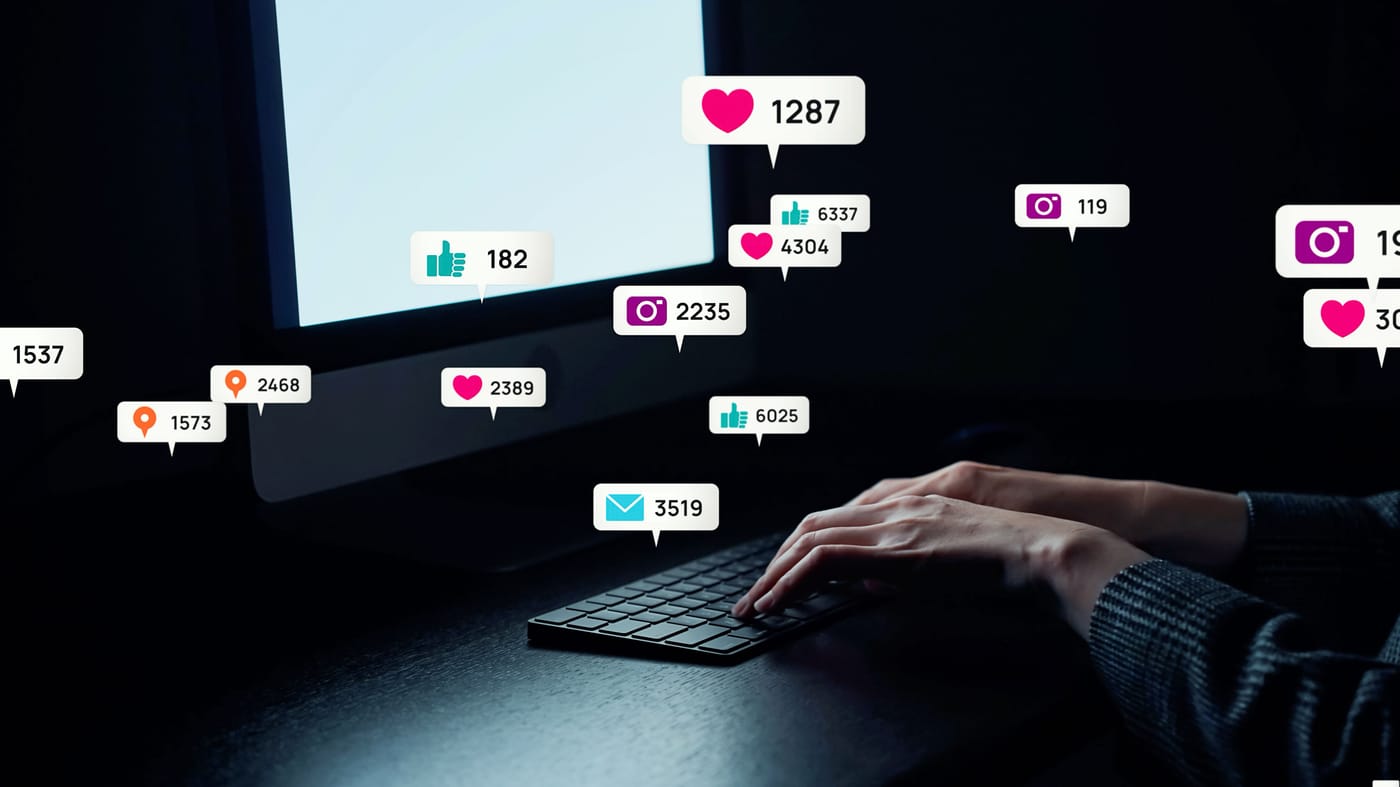
The core mechanism is called clipping. A client hires an agency to slice their content — a song, a movie trailer, a three-hour podcast, a political speech — into short, platform-ready fragments. Those clips are then posted through networks of normal-looking accounts: meme pages, fan accounts, anonymous profiles. If enough clips accumulate views quickly enough, algorithms mistake the activity for genuine interest and push the content to real users. Some of those users engage authentically. The artificial spark has ignited something that passes for real.
What makes this economical enough to be ubiquitous is the price. A typical clipping campaign costs roughly a dollar per thousand views — a tenth of what a billboard costs, a thirtieth of a television spot. An official TikTok ad, with the liability of being visibly labeled as such, runs about ten times more. Clipping is among the cheapest forms of advertising ever invented, which is why one of the industry operators quoted in the piece puts the question of why anyone still buys a billboard as essentially genuine.
Justin Bieber Needed This Too
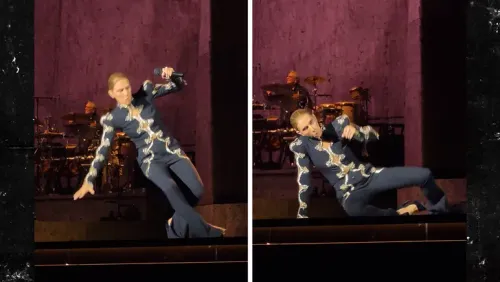
The scale of adoption becomes disorienting when you consider who's using these services. During both of Bieber's Coachella weekends this spring, Brown tracked active paid clipping campaigns running inside Discord servers — networks of freelancers being paid to flood TikTok, Instagram, and YouTube with clips of his sets. Bieber has 287 million Instagram followers. He is among the most-streamed artists in pop history. And yet the campaigns kept running throughout both weekends.
The explanation from insiders is bleak: the threshold for authentic virality keeps moving because everyone is gaming it simultaneously. When every major artist, studio, and brand is paying to simulate enthusiasm, genuine enthusiasm alone no longer clears the bar. "Everything on the internet is fake" is the stated motto of one of the companies at the center of the story — and the piece presents this less as cynicism than as an operational description.
Manufacturing the First Thought You Have
Clipping is only the beginning. Some agencies also run what the industry calls "narrative campaigns" — coordinated efforts to plant the first comment, caption, or reaction that shapes how real users interpret what they're seeing. Most people don't form opinions on new content from scratch. They glance at what others seem to think, then agree or push back from there. If you can manufacture that first impression at scale, you've effectively installed an opinion before anyone has actually formed one.
A 2024 FTC rule technically bans this kind of undisclosed paid influence, with fines exceeding $50,000 per violation. None of the operators Brown spoke with had ever heard of anyone in their industry being investigated. When the reporter asked an FTC spokesperson whether the agency planned to act, the reply was: "Hi there, we're not going to comment. Thanks."
The same architecture shows up far beyond music promotion. Analysis of the Sydney Sweeney American Eagle controversy last year found that fake accounts generated a disproportionate share of the uproar. Research into the Bad Bunny Super Bowl halftime controversy found that both sides of the political argument — MAGA outrage and progressive pushback — appeared to be amplified in nearly identical volume and cadence, suggesting a single actor may have been fueling both ends of the fight simultaneously.
The World Already Looks Like This
The investigation closes on a note that lingers. Joe Lim, who ran a 65,000-account operation before shutting it down, is already thinking past social media entirely. Once people stop trusting their feeds — which he puts at three to five years out — the industry will shift targets. Content will need to be optimized not for human eyeballs but for AI agents, which will then shape what humans are told to want.
The feeling that something sounds manufactured has always been difficult to articulate. This piece gives you the vocabulary — and, uncomfortably, the industry directory — to explain it.