Nobody told Frankie LaPenna to do this. He chose to climb into an MMA cage in San Francisco and fight a six-foot humanoid robot with glowing red eyes and a skull-like face modeled after the T-800 from The Terminator.
His coach's final words before the fight: "I'm scared for you, man."
LaPenna, heavily padded and visibly unconcerned, headed toward the machine anyway. The announcer set the scene: "For the first time in history, a human faces off against a six-foot-tall robot." Thirty seconds later, that robot was kicking LaPenna repeatedly in the chest. Fourteen seconds after that, one final kick sent him flying across the ring.
Total fight time: 44 seconds. Robot wins.
What REK's "Rekbot" Actually Is
The robot in question belongs to REK Robotics, a San Francisco-based company building humanoid machines for what it describes as "combat sports and entertainment." The Rekbot is six feet tall, weighs significantly more than a human fighter, and was outfitted for this event with a Terminator-style head — red glowing eyes, exposed metal skull structure — that prompted one viewer to post: "Humans are cooked."
The fight took place at a private event in San Francisco on September 18, attended by approximately 100 people. Clips from the bout spread immediately. By the following day, the footage had been viewed millions of times.
The Rekbot was remotely operated by a human controller during the match — it is not an autonomous AI fighting system. This is the important asterisk that most coverage glossed over. A skilled human was piloting the machine. LaPenna wasn't fighting artificial intelligence. He was fighting a human pilot inside a metal body with a 40-pound weight advantage and no pain receptors.
Which explains, somewhat, the outcome.
The 44-Second Recap
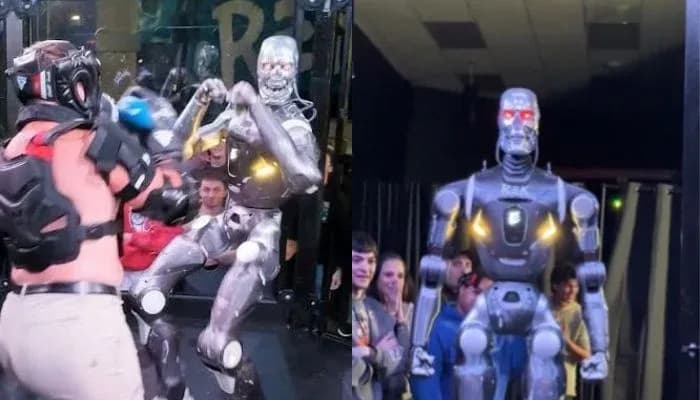
LaPenna entered the ring and did what any rational person would do when facing a machine built for combat: he threw punches. His fists connected. The robot did not care. It began kicking him in the chest.
The footage shows LaPenna absorbing multiple kicks to the midsection, attempting to find an angle of attack, and repeatedly failing to land anything meaningful. The robot's reach advantage, weight advantage, and complete indifference to pain made any conventional striking strategy essentially useless.
Then came the final kick — a straight shot that sent LaPenna airborne and into the cage barrier. The fight was over.
Afterward, LaPenna appeared unhurt and largely cheerful about the experience. "You punch it. Your hand hurts. It kicks you. You go flying," one observer summarized. "Then everybody posts the video online."
What This Actually Means for the Future
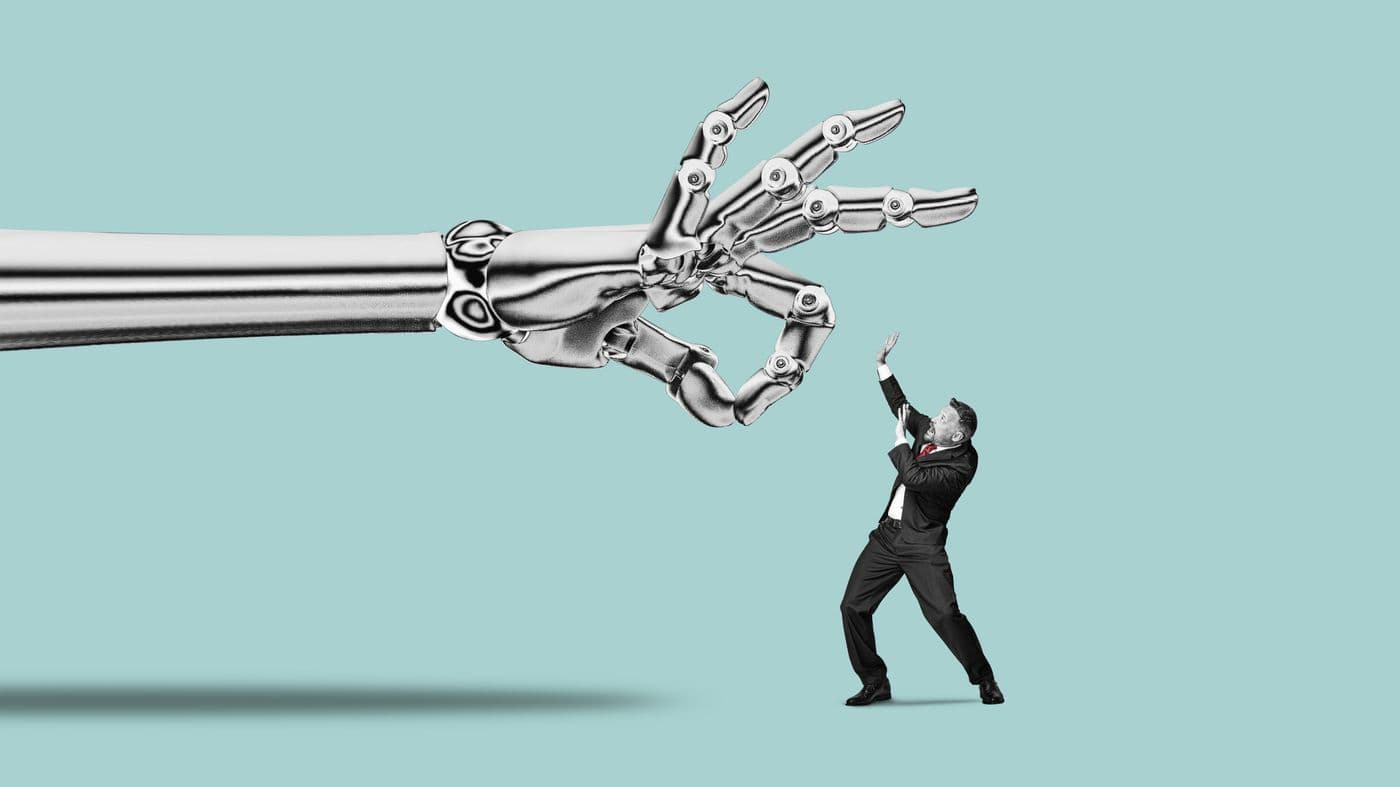
Here is where the joke ends and the genuinely alarming part begins.
This fight was theater. The robot was controlled remotely. LaPenna was padded. The entire event was designed for entertainment and virality, and it achieved both. Nobody seriously believes this was a fair contest.
But the machines are getting faster. And stronger. And more autonomous.
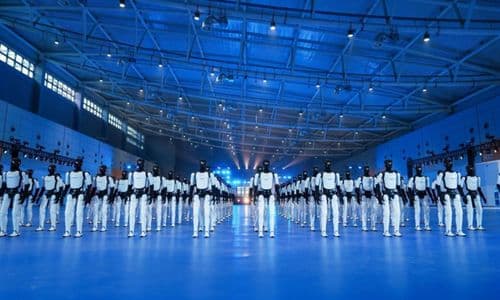
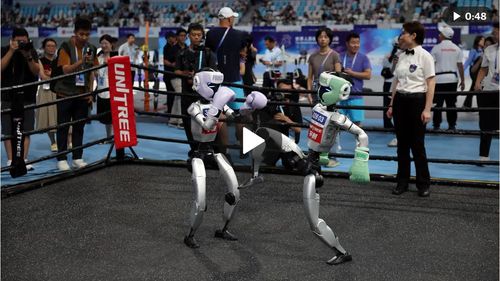
The World Humanoid Robot Games we covered earlier this month — 2,000 robots competing in Beijing — showed a machine beat Usain Bolt's 100m world record before crashing into a wall. The robots couldn't stop themselves yet. They'll learn. The Rekbot that knocked LaPenna across the ring today is controlled by a human. The Rekbot of 2030 may not need one.
"We doubt this will be the last time humans end up fighting robots in hand-to-hand combat," MMA Mania noted in its coverage. "Based on the way the world is going, perhaps we'll all have to fight off a six-foot Terminator in the post-apocalyptic wasteland of America in the next ten to twenty years."
That sentence was written with some irony. It was also written in 2026, immediately after a human lost to a robot in an MMA cage in San Francisco. Make of that what you will.