His name was Jorlan Lopes da Silva. He was 33 years old. He was so slight, so frail-looking, that locals in the isolated northeastern Brazilian town of Mulungu gave him a nickname: Mosquito.
In three months, he killed 16 people.
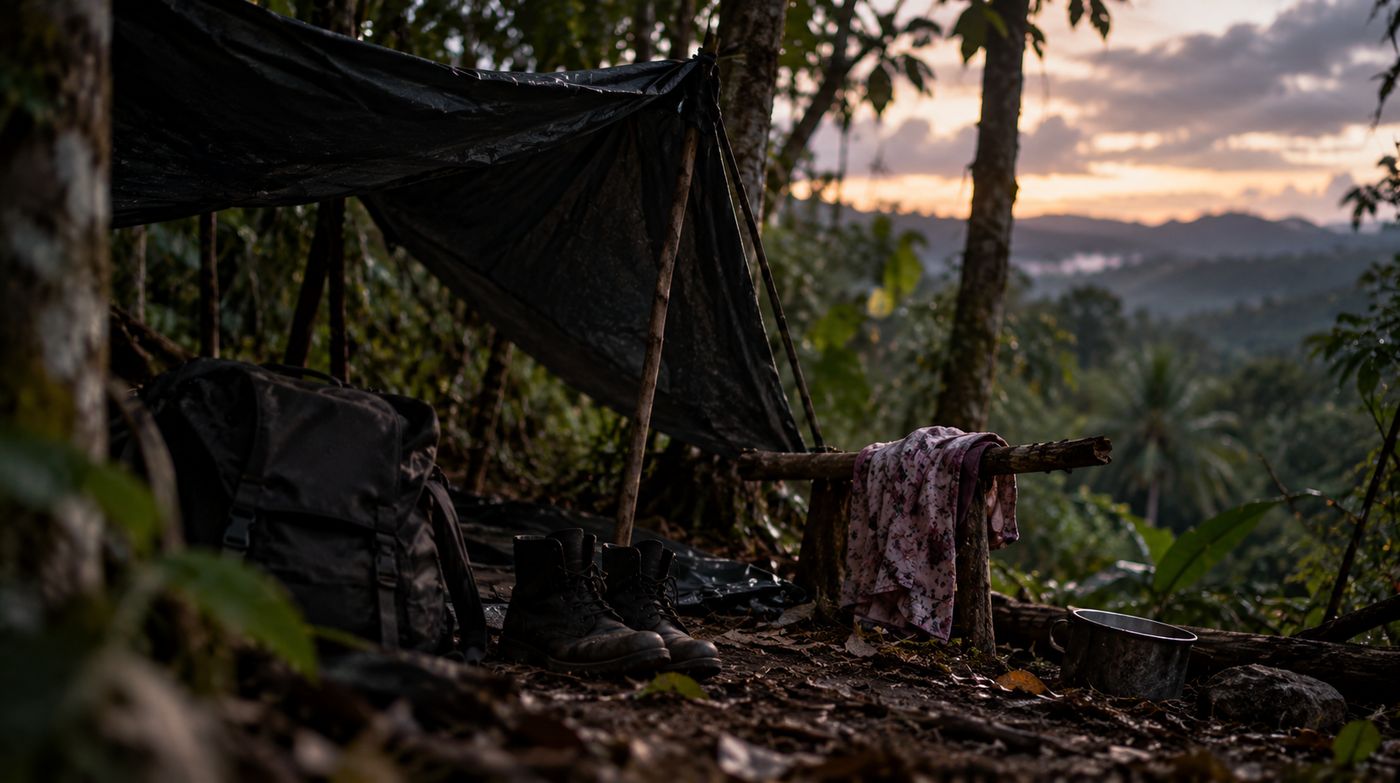
He evaded police for years by living in handmade camps in the thick bush surrounding the town — camps so well-hidden that investigators couldn't find him even when they knew roughly where to look. He dressed as a woman to move through the community without suspicion. His crimes appeared unconnected because they were spread across different locations, different times, different circumstances.
Police finally caught him on September 13 after a two-day pursuit. When they reviewed what they'd found, they understood why it had taken so long.
How Serial Killers Stay Hidden — and Why Mosquito Did It Better Than Most
The case is extraordinary by any measure. But what makes it genuinely useful to understand is that virtually everything Jorlan Lopes da Silva did to evade capture follows documented patterns that criminologists have studied for decades.
Geographic isolation is the most powerful tool a killer can have. Mulungu is a small, remote community in Paraíba, Brazil's northeastern state — the kind of place where resources are limited, law enforcement coverage is thin, and a crime committed in one part of the region doesn't automatically get connected to a crime committed somewhere else. Da Silva understood his environment. He stayed inside it.
"Jorlan lived mostly in the woods," said Douglas Garcia, the police investigator who led the two-day pursuit and spoke to the Associated Press after the arrest. "That's why it was so hard to find him and link him to crimes that didn't seem to be connected at first."
The Disguise That Actually Worked
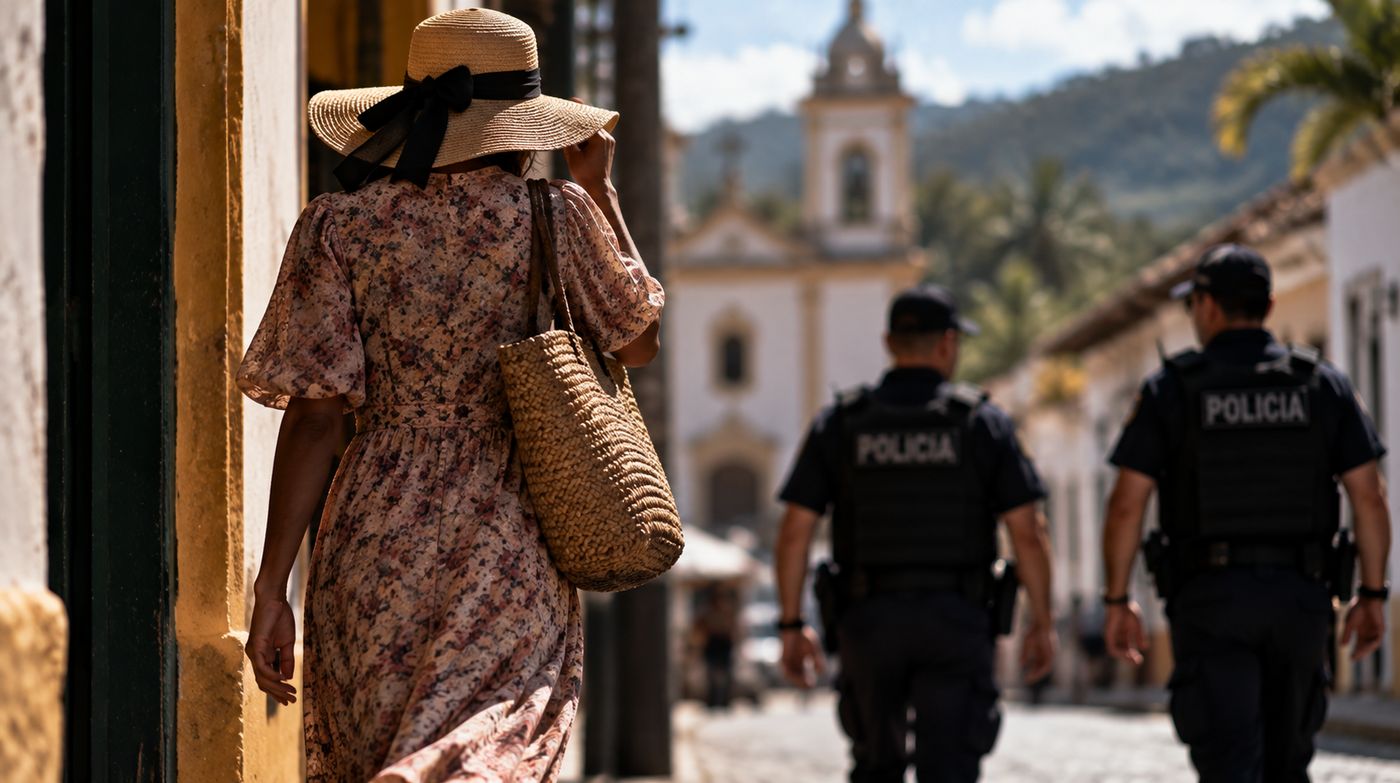
Cross-dressing as a method of evasion has appeared in serial killer cases and fugitive cases throughout documented criminal history. It works for a specific and unsurprising reason: people look for what they expect to see.
Law enforcement issues a description of a suspect. The community watches for someone matching that description. A person who does not match the description — even if they are standing in plain sight — does not trigger the alarm.
Da Silva, nicknamed Mosquito partly because of his thin frame, moved through his community dressed as a woman. His slight build, by all accounts, made the disguise convincing. While police were looking for a man, he was appearing as someone else entirely.
This is not a tactic that requires sophistication. What it requires is an accurate read of how search patterns work — and the discipline to exploit them consistently. Da Silva had both.
How They Finally Found Him
The case broke when investigators managed to connect what had appeared to be isolated incidents. Garcia described the challenge: crimes that "didn't seem to be connected at first" because they were spread across different locations and circumstances.
The link that ultimately exposed him: a public shooting. Da Silva shot an 18-year-old dead in a public square — a crime with witnesses, in a location where surveillance was possible. That gave investigators something to work with. They identified him. They tracked him to his camps in the bush. They pursued him for two days.
He was captured on September 13. The investigation that followed produced the count that made the case international news: 16 victims in three months.
What This Case Tells Us About How Serial Violence Hides
The academic literature on serial offenders consistently identifies the same factors that allowed da Silva to operate: geographic mobility or isolation, victim selection that avoids creating a clear pattern, and an environment where law enforcement resources are stretched thin enough that connecting cases across time and location is difficult.
What is striking about the Mosquito case is not that it defied these patterns. It is that it illustrated all of them simultaneously, in a small remote community, over three months, without anyone understanding what was happening until it was over.
"That allowed him to evade capture for years," Garcia said.
Years. Not months. The murders in Mulungu may represent only the final chapter of something that started much earlier, in places where the victims were never counted.