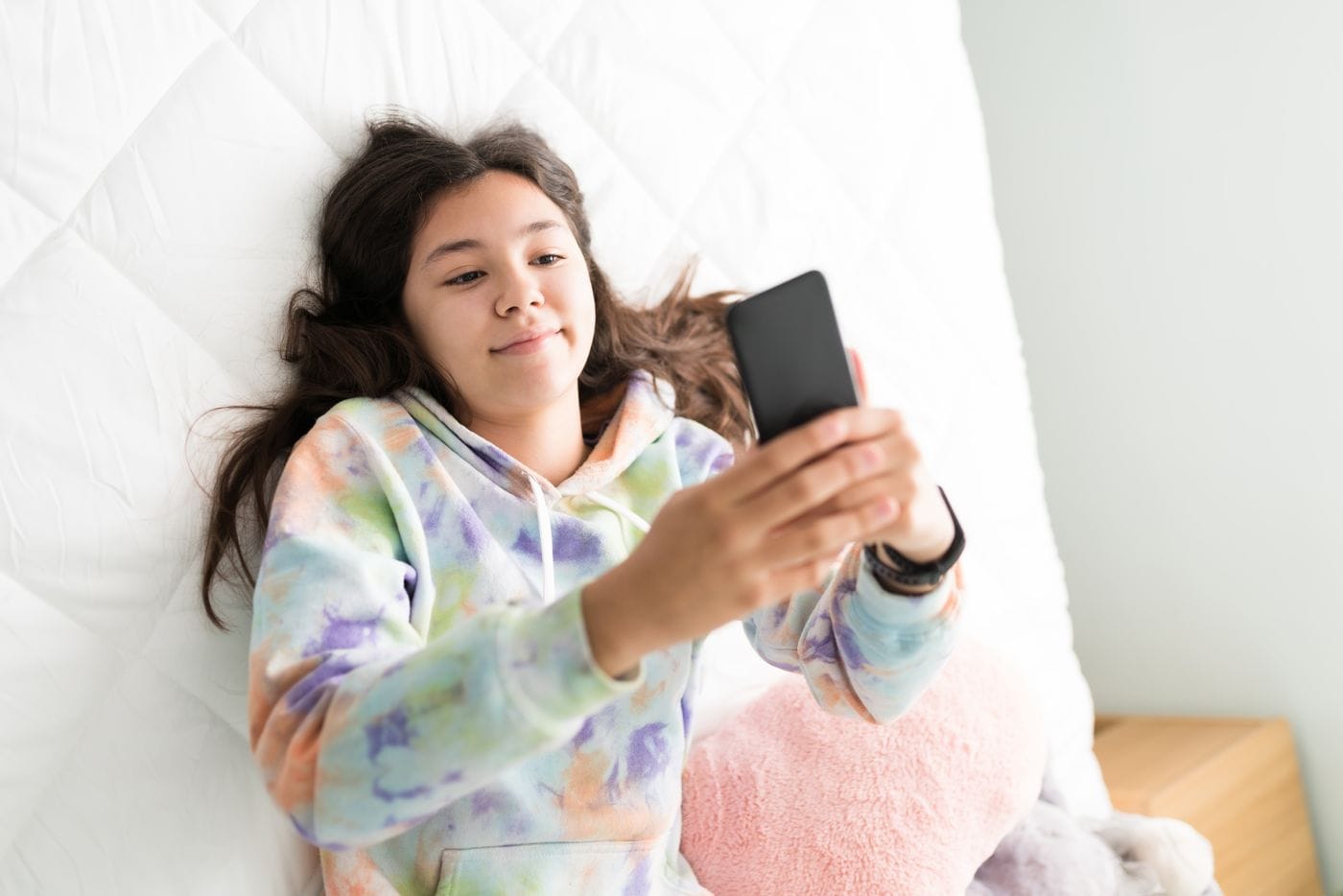
There is a moment most people know: the small, private rush of relief that comes when plans fall through. The event you agreed to two weeks ago, when the future felt more spacious. The obligation you've been quietly dreading. The text you finally send: "I'm so sorry, I don't think I can make it."
Americans are sending that text more than ever. A 2025 poll by the American Psychological Association found that cancellations are at a historic high — driven, researchers said, by pandemic-era habits that haven't reversed, the rise of chronic social anxiety and depression, political divisions fracturing social groups, and a cultural conversation about self-care that has made canceling feel not just permissible but virtuous.
Therapists and etiquette experts, reviewing the same data, largely agree that canceling has become a problem.
The Cancellation Epidemic — and Its Causes
The APA poll identified multiple contributing factors to the trend. Social anxiety rates have climbed significantly among adults since 2020 and have not returned to pre-pandemic baselines. Burnout from overscheduling — a real phenomenon, particularly among the 35-55 demographic navigating work, family, and social obligations simultaneously — has made people more selective about which commitments to honor. Chronic social media use has made in-person socialization feel higher-stakes and lower-reward.
There's also a cultural permission structure. A decade of wellness content has reframed canceling as "honoring your limits," "protecting your energy," and "prioritizing self-care." These framings aren't entirely wrong. But they've also made it easier to cancel for reasons that don't meet the clinical or etiquette threshold for legitimate excuses.
"Once a commitment is made, unless you have a legitimate excuse, it's rude to cancel," said etiquette expert Lisa Grotts, founder of the Golden Rules Gal. "Without question: death, travel delays, severe illness and other things out of your control are understandable. But changing your mind because you 'had a long day' or are 'too tired' or because you got a better offer are not good reasons."
When It's Legitimately OK
The clearer cases are: genuine illness that could spread to others, a genuine emergency requiring your presence, or travel complications outside your control. The gray area includes mild non-contagious illness, work that's running significantly longer than planned, and childcare that fell through unexpectedly.
The general etiquette consensus is that earlier is better, the cancellation should acknowledge the inconvenience directly, and the apology should not be accompanied by extended justifications or excuses. The appropriate text is brief: "I am so sorry to do this, but I won't be able to make it. I know you've planned for me, and I want to reschedule." What isn't appropriate: inventing elaborate reasons, using "I'm sick" as a default out, or canceling so close to the event that the host has already prepared.
The Anxiety Trap
The most counterintuitive finding involves the most common reason people cite for canceling: anxiety. Research on social anxiety consistently shows that canceling when anxious typically makes things worse, not better.
Studies by Dr. Fallon Goodman at the University of South Florida followed participants diagnosed with social anxiety disorder over two weeks, assessing their emotional states when alone versus in social settings. The results were consistent: people with social anxiety reported significantly higher positive emotions when with others than when alone. Their negative emotions — anxiety, sadness, irritability — were no worse in social settings than at home.
The relief that comes from canceling when you're anxious is temporary and self-reinforcing. The next time, the anxiety arrives sooner, and the desire to cancel comes earlier. Clinical psychologist Matthew Solit, Executive Clinical Director at LifeStance Health, puts it plainly: "There is frequent value in pushing through it. I know many people who are anxious about going out but feel better once they get out and socialize."
What Chronic Canceling Does to Relationships
The relational math on canceling is not complicated. Being canceled on is disappointing. Being canceled on repeatedly creates a specific kind of hurt: the gradual sense that the other person doesn't actually want to see you, or that you're not worth the effort of showing up.
Friendships in the 35-55 demographic are already under strain — people in this life stage have more demands on their time and fewer natural social structures than younger adults. Research on adult friendship consistently finds that consistent, reliable presence matters more than occasional grand gestures. Being someone who shows up — who actually honors the plans they make — is one of the most concrete investments available in the relationships that research also consistently identifies as the primary driver of long-term well-being.
The text is ready to send. Ask once, before you do: is this a legitimate reason, or is this relief?