The cultural image of the psychopath is a specific one: cold, predatory, violent. It comes mostly from movies and true crime, where psychopathy serves as a narrative shortcut for pure menace. The clinical reality is considerably more complicated — and, depending on how you look at it, more unsettling.
About 1% of the general population meets the threshold for psychopathy. The rate among corporate managers and CEOs is estimated at 3 to 4 times higher. The professions that most attract people with psychopathic traits, according to researcher Kevin Dutton, include CEO, lawyer, media professional, salesperson, and surgeon. Notably absent: serial killer.
The Hollywood Version Is Wrong
Lewis Raymond Taylor was diagnosed with antisocial personality disorder — a condition with significant overlap with psychopathy — as a teenager in England. He was expelled from secondary school, grew up with an emotionally abusive father, and spent years in behavior that included criminal activity. By most early indicators, he was not heading somewhere good.
He is now the founder of a life coaching company that has generated over $25 million in revenue. He recently spoke to Business Insider about how psychopathy actually works from the inside — what it feels like, what it costs, and what he has managed to do with it.
His account is not what most people expect from someone describing their own psychopathy, and that gap is exactly the point.
What It Actually Feels Like From Inside
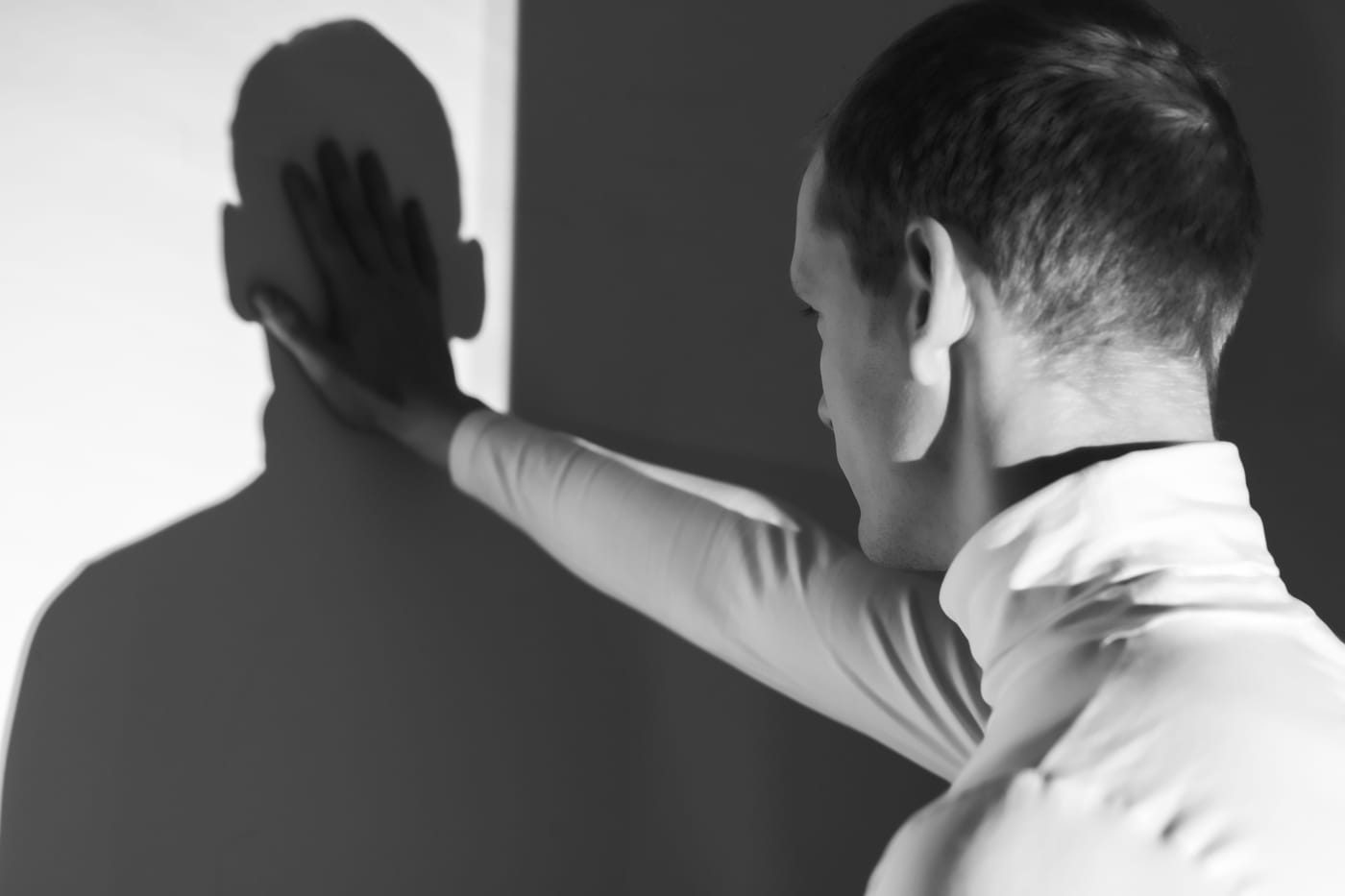
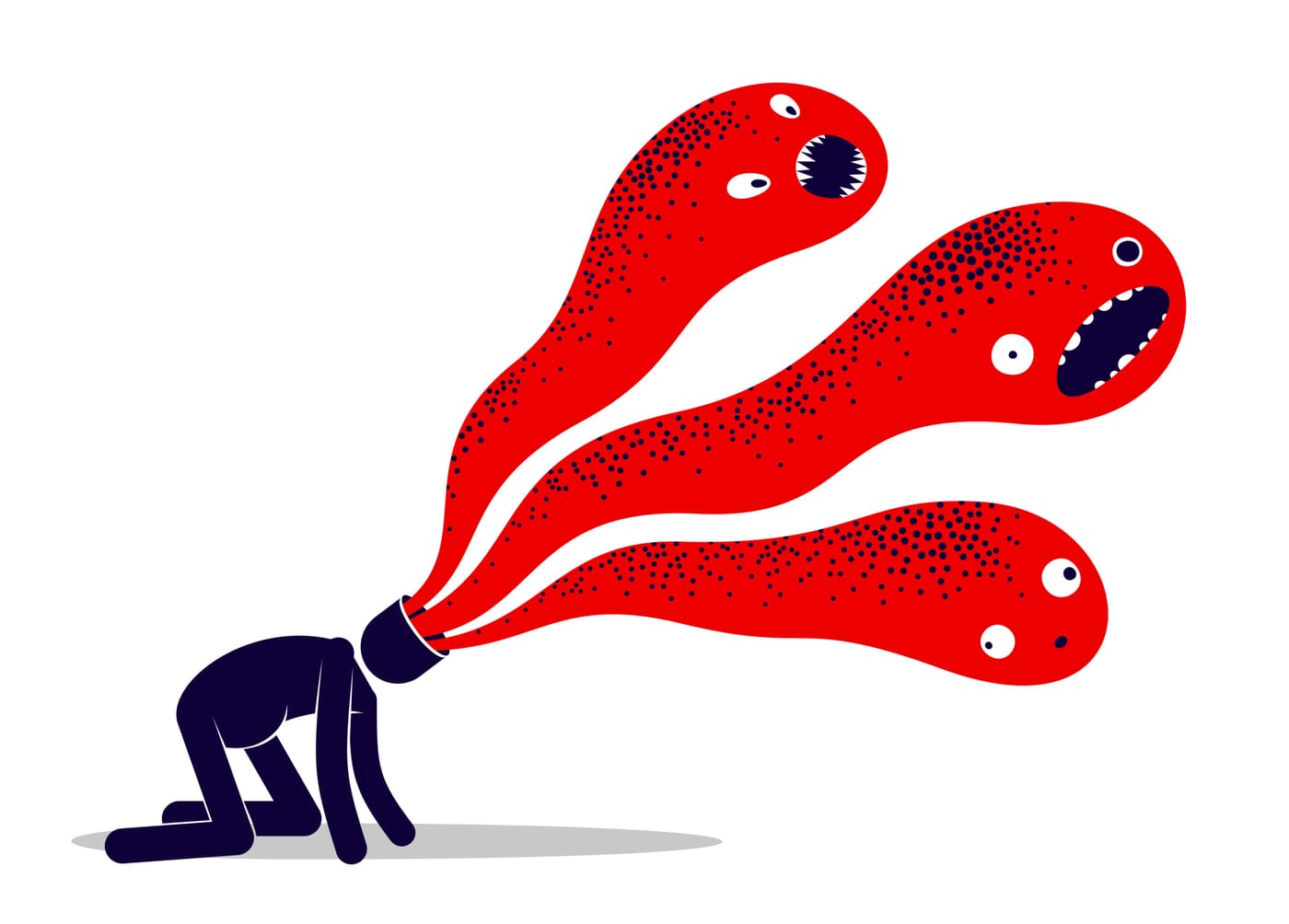
Taylor describes the emotional experience of psychopathy not as darkness or cruelty but as a kind of absence. "I've always displayed every single symptom," he says. "I still display it now, but I've been able to channel it."
The specific absence he describes is fear. Emotional detachment means that the internal experiences that slow most people down — insecurity before a high-stakes conversation, embarrassment after a failure, anxiety in uncertain situations — are not present in the same way. Decisions that require other people to override their nervous systems are, for Taylor, simply decisions.
What some call manipulation, he frames as persuasion. "I am very manipulative, but to help someone," he says. The distinction matters to him: he understands that the mechanism is the same; what he's changed is the application.
He is not describing a cure. He is describing a choice about direction — the criminal behavior, he says, is gone. The underlying traits never left.
Why These Traits Concentrate in Boardrooms
The research on functional psychopathy — the subgroup of people with psychopathic traits who operate successfully in professional environments rather than criminally — points to a consistent pattern. Psychopaths tend to perform exceptionally well in job interviews. They project confidence, read rooms accurately, and feel none of the social anxiety that most candidates experience in high-stakes evaluations.
Once hired, they are evaluated primarily on how they appear to people above them in the organization. Making a strong impression on a small number of people across a limited number of interactions is something psychopaths do better than almost anyone else.
A 2010 study published in Behavioral Sciences & the Law estimated that roughly 3% of corporate managers meet the clinical threshold for psychopathy — compared to 1% of the general population and about 15% of the US prison population. The corporate environment, it turns out, rewards a number of psychopathic traits quite effectively.
The Channel vs. The Curse
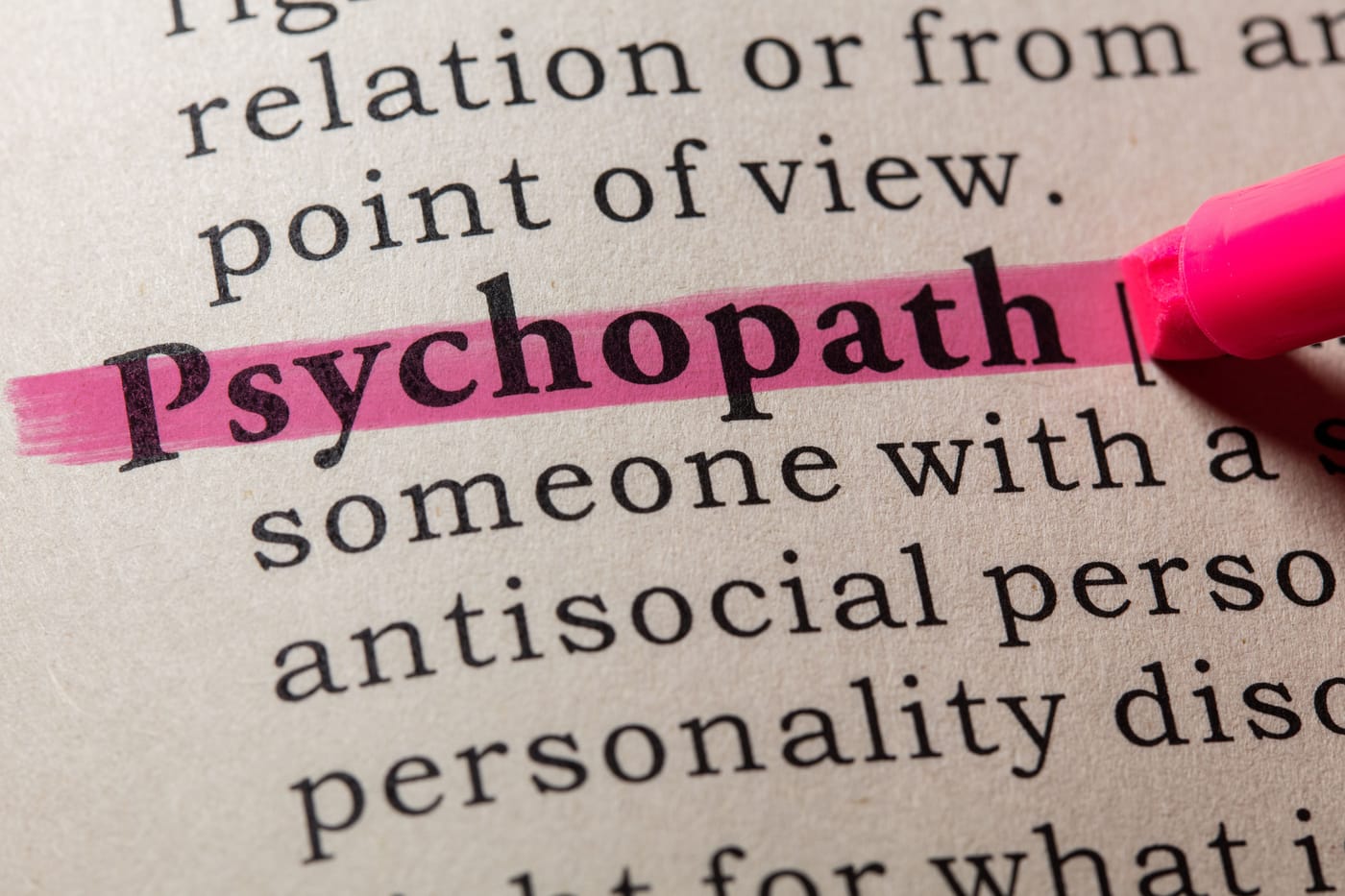
Taylor's argument is not that psychopathy is an advantage. It's that the traits themselves are neutral — the direction they go is what determines outcomes. Emotional detachment can fuel ruthless exploitation or focused execution. The ability to make decisions without fear can produce reckless harm or unusual clarity under pressure.
What the diagnostic label doesn't tell you is which way a person will go with what they have. That, Taylor suggests, is the part that involves actual choice — and the part that, in his case, has taken most of a lifetime to figure out.