The wellness industry has spent decades and billions of dollars trying to crack the longevity code. Cold plunges. Continuous glucose monitors. IV drips, VO2 max testing, supplements with 47 ingredients. And after all of that, the internet has arrived at its latest answer: just live like an Italian grandmother.
"Nonnamaxxing" — the practice of adopting the daily habits of an Italian nonna — has been spreading across social media, and for once, the wellness trend du jour has actual science behind it. Walk more. Eat real food. Stay embedded in your community. Drink your coffee without answering emails. Cook something from scratch. Refuse to quietly disappear.
What Nonnamaxxing Actually Is
The term is exactly what it sounds like — taking the "maxxing" optimization logic and applying it not to supplements or biometrics, but to the lifestyle of Italian grandmothers who have, in measurable aggregate, figured something out about staying alive and reasonably happy.
Italy consistently ranks among the longest-lived countries on earth. Sardinia, in particular, has earned a spot on the short list of Blue Zones — the handful of regions worldwide where people routinely live past 100 — and researchers who have studied these communities have found that the factors responsible for their longevity are conspicuously low-tech. Daily movement built into ordinary life rather than scheduled workouts. Meals made from local, mostly plant-based food eaten with other people, slowly. A sense of belonging to something beyond one's own household.
Psychotherapist Jonathan Alpert described the trend's appeal accurately: "A lot of younger people are burned out by the pressure to constantly optimize themselves, be productive, and turn their lives into content. The appeal of nonnamaxxing is the fantasy of a life that feels grounded, warm, and unhurried."
The Blue Zone Science Behind It
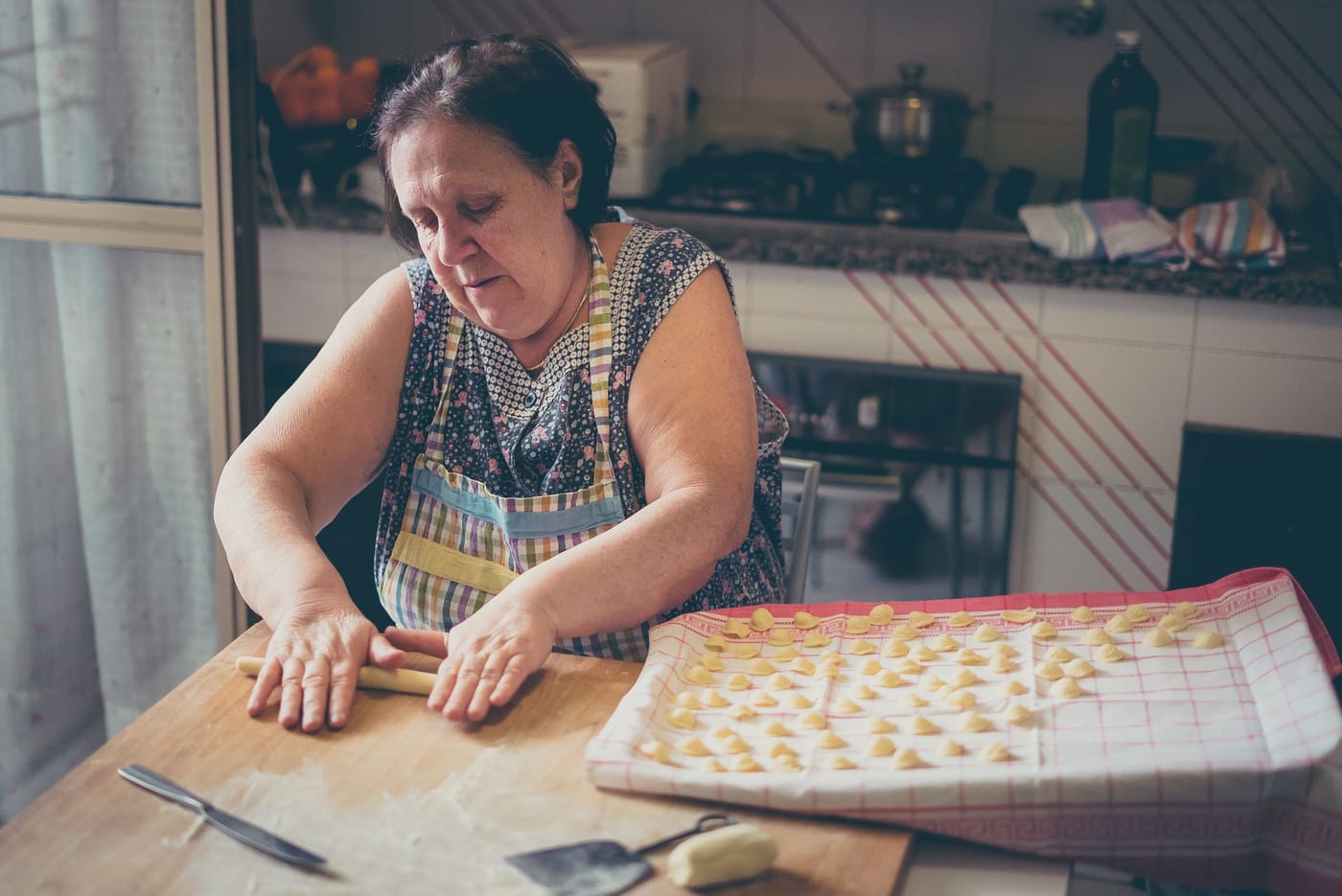
The specific habits that Blue Zone research consistently identifies as protective aren't exotic. They are: regular low-intensity movement (the Sardinian term is piano piano — slowly, slowly), a diet anchored in legumes, whole grains, and seasonal vegetables, a strong social network, a clear sense of purpose, and moderate alcohol consumption, typically wine shared with others.
None of these require a $600 supplement protocol. Most require a reallocation of attention rather than money.
Licia Fertz, a 96-year-old nonna based in Viterbo, Italy, described her philosophy plainly: "Never think of yourself as old. You are born young." She gets dressed every morning, puts on makeup, and wears cheerful colors whether she's leaving the house or not — because, she says, "presenting yourself well is an act of self-love." No app required.
There's real research behind that mindset. A study published this year found a measurable association between how people perceive their own aging and the actual rate at which they age. The framing matters.
The Part Biohacking Can't Replicate
Research published in the American Journal of Preventive Medicine found that people who volunteered more than 100 hours a year had significantly lower mortality risk, more optimism, and a stronger sense of purpose than those who didn't.
Italian grandmothers stay embedded in their families and neighborhoods well into old age — providing childcare, maintaining social relationships, refusing to cede relevance. This isn't accidental. It's structural. The community around them continues to need them, which gives them a reason to keep showing up. Boredom, Fertz said, is "the one thing that truly makes you old."
That's the part the optimization industry has consistently undervalued: connection isn't a wellness add-on. It's the mechanism.
How to Actually Live It
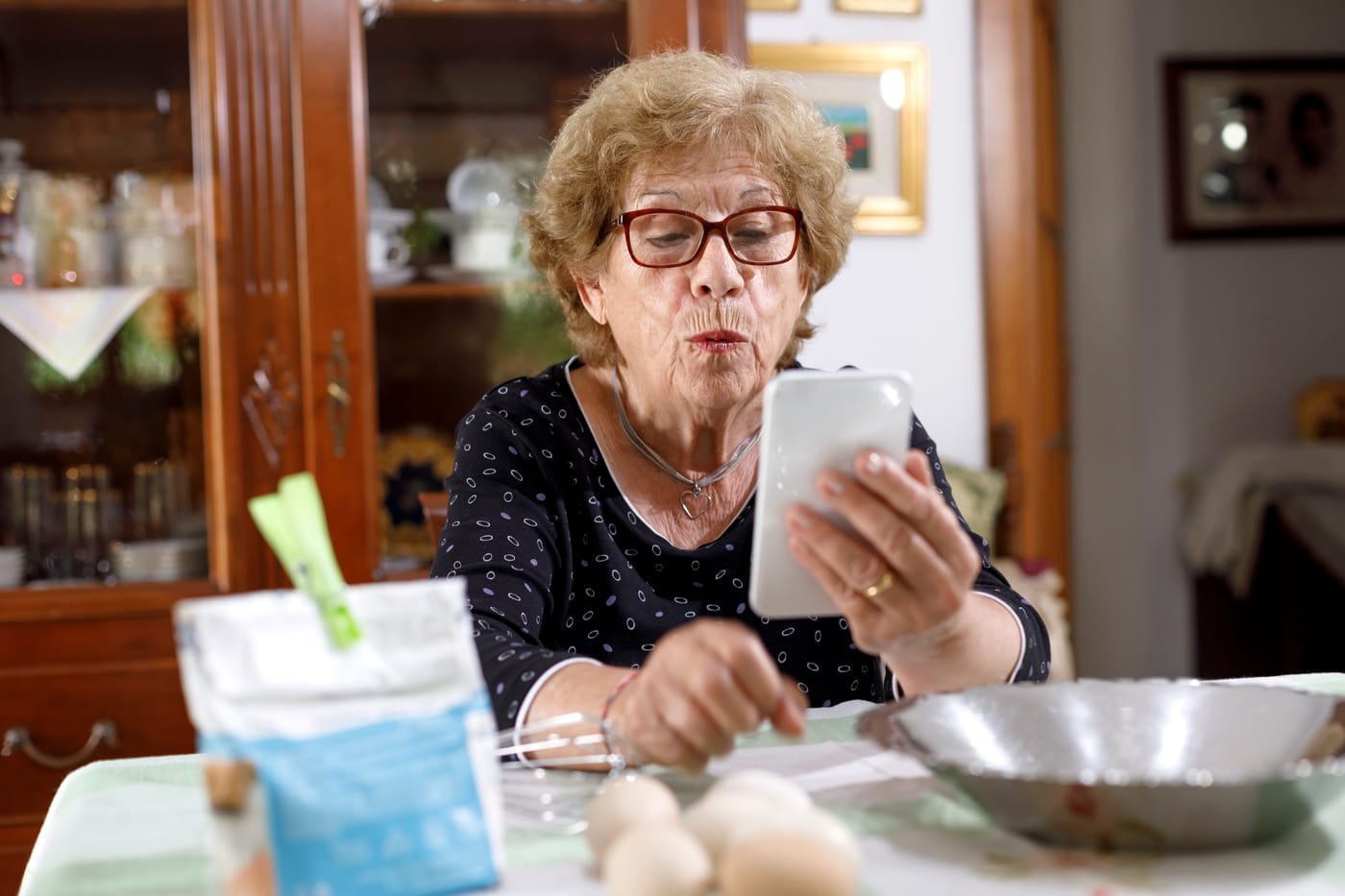
The practical version of nonnamaxxing doesn't require moving to Sardinia or learning to make handmade pasta. Psychotherapist Alpert is careful to note that the trend is about adapting the mindset, not replicating it perfectly. A traditional nonna's lifestyle often assumes a different pace of life than most people can access.
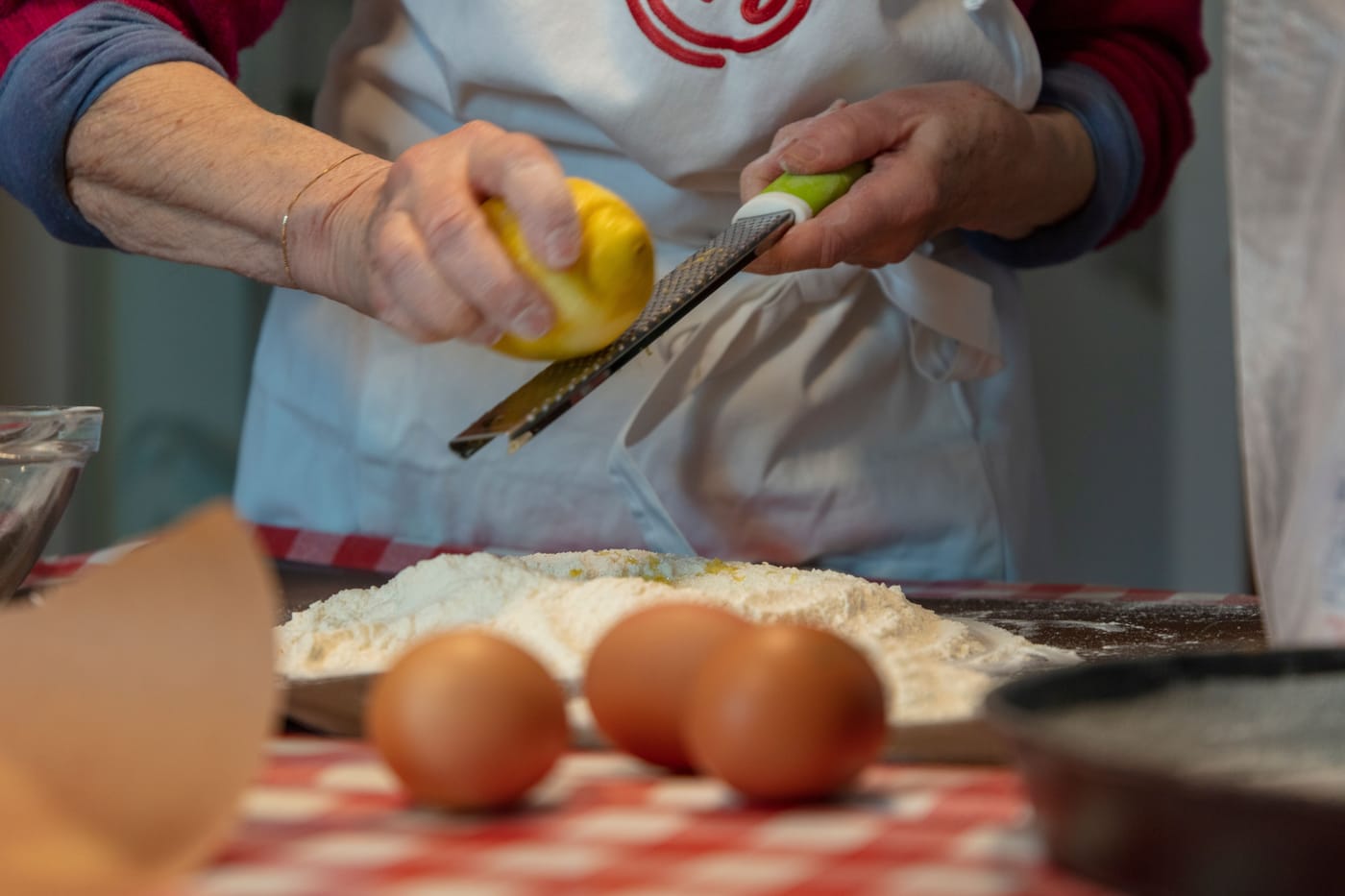
What translates: building daily walking into your routine instead of treating it as exercise. Cooking something — anything — from whole ingredients at least several times a week. Making in-person social time as non-negotiable as work meetings. Finding something useful to do that connects you to other people. Eating meals without multitasking.
These aren't revelations. They're the habits that longevity researchers have been documenting for decades, wrapped in a name that finally makes them sound appealing.