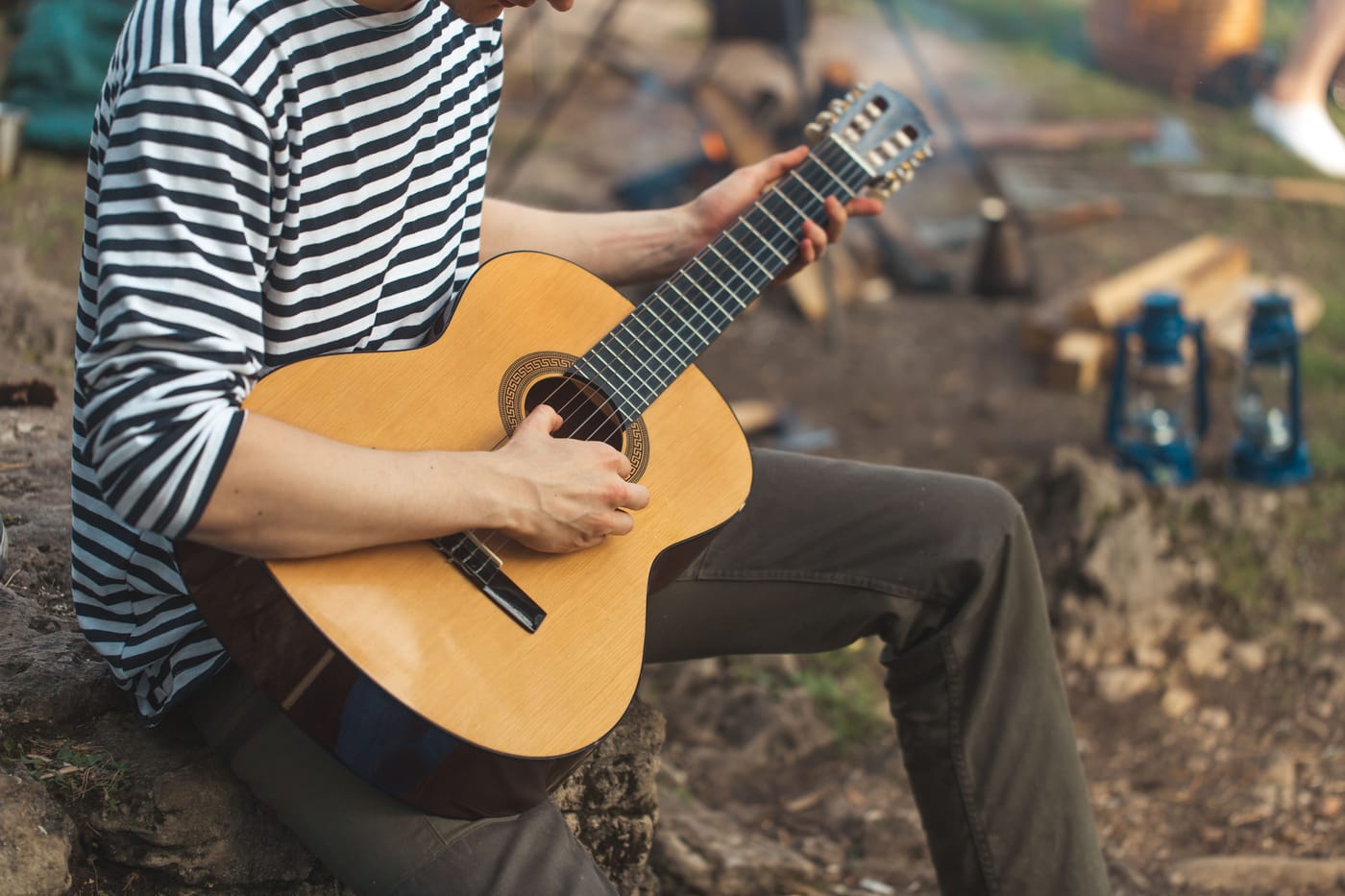
As a high school student in the 1970s, Lori Guess packed up her oboe every summer and headed to a music camp on a lake in Sidney, Maine. The loon calls, the kindred spirits, the particular quality of attention that comes from playing with other people — she kept going back. Then she graduated, became a lawyer, built a career, and kept going back anyway.
She's 71 now. Last year, back in Sidney for what must be the fortieth-odd time, she picked up a trumpet — an instrument she'd never played — and learned it alongside people she'd known for decades. "When you're playing music together," she told the AP, "you rise above all the pettiness of life. And it's just the most spiritual thing I can think of."
Guess is not unusual. Across the country, adult music camps are either being created from scratch or quietly discovering that a market they didn't know existed has been waiting for them. The headline framing — adults recapturing youthful joy — is technically accurate but undersells what's actually going on.
A Market Nobody Marketed To
The New England Adult Music Camp in Sidney, where Guess still attends, launched a dedicated adult program in 2013. Interlochen Center for the Arts in Michigan — one of the most prestigious summer music programs in the country — added an adult Symphonic Band Camp. Midsummer Musical Retreat in Walla Walla, Washington has been running since 1983. Susquehanna University's Band Camp for Adult Musicians in Pennsylvania is in its 37th season, coached by retired military musicians and college professors, and draws players who have been attending together for years — some of whom now bring their children and grandchildren.
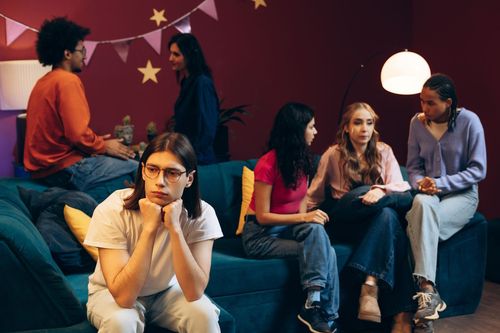
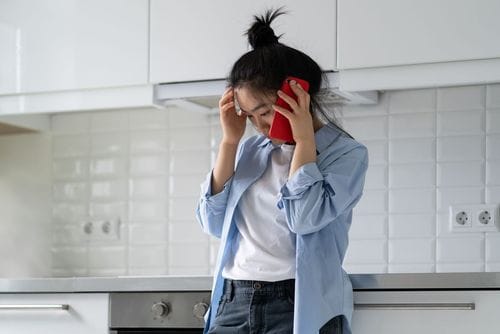
The programs cover a wide range of abilities, from beginner to advanced. What they share is the explicit framing of music camp as an antidote to isolation — which has moved from marketing language to a fairly precise description of what the research shows is happening when adults make music together.
What Playing Together Actually Does
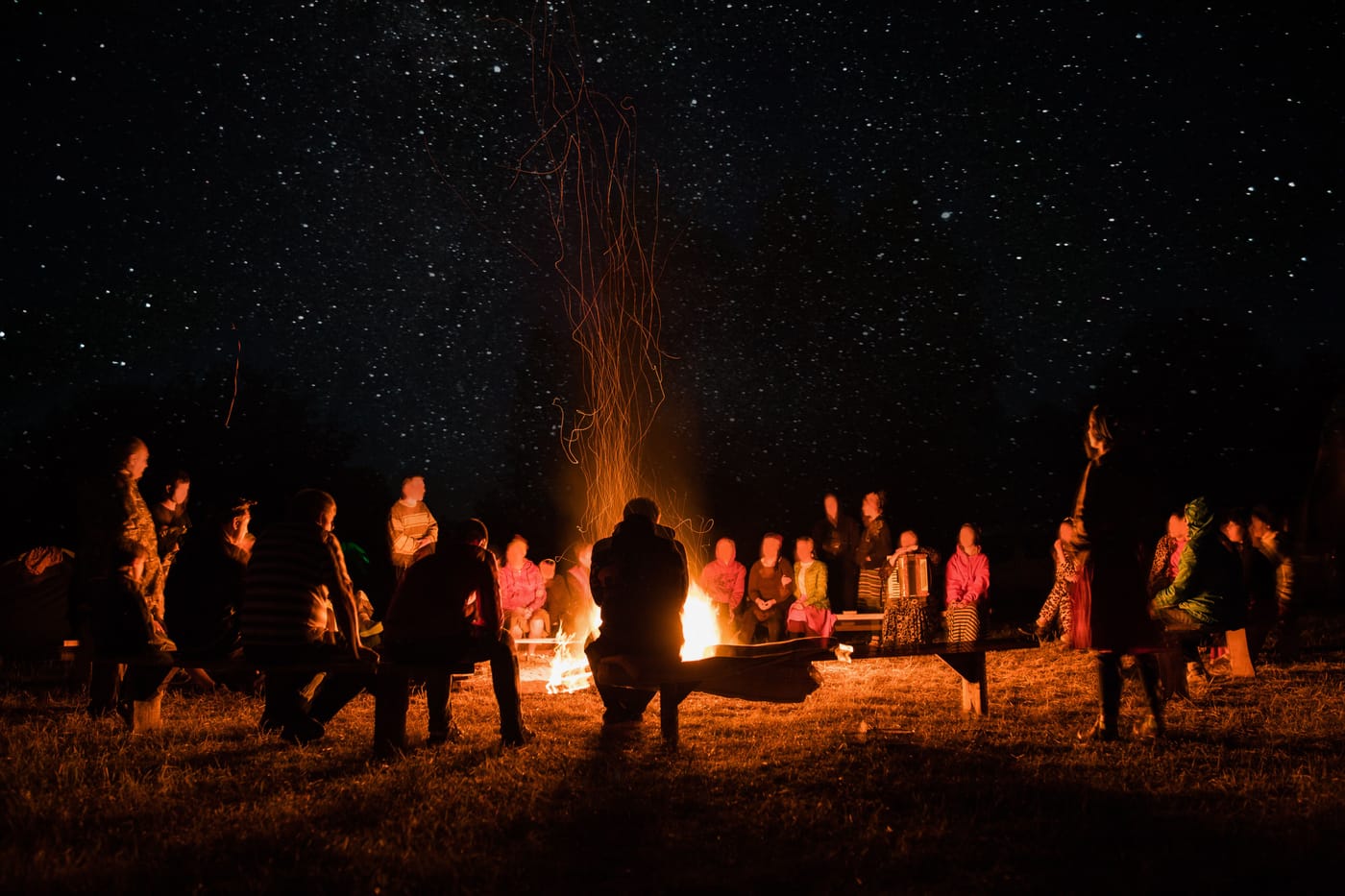
Group music-making is among the most reliably studied social bonding activities in the behavioral sciences. A 2025 systematic review in Frontiers in Cognition examining 20 studies across healthy and clinical populations found that group musical activity influences social bonding through the oxytocinergic system — the same neurochemical pathway involved in parent-infant attachment and romantic bonding. A Stanford University study measuring salivary oxytocin in a choir of 71 adults found that singing together produced meaningfully elevated oxytocin levels compared to speaking together — a difference specific to the music condition.
This isn't background noise to the band camp story. It's the mechanism. The sense of being "in the zone" with other musicians that Guess describes — the feeling of something larger than individual performance — has a measurable biochemical correlate. It's also not something that can be replicated by practicing alone in a living room, or by listening to music rather than making it together. The social and neurological benefit is specific to synchronous group participation.
The Isolation Angle
The AP article framing adult music camps as an "antidote to isolation" isn't hyperbole. It's a reasonable reading of what these programs provide — and of what the loneliness research says adults increasingly lack.
The ingredients that make band camp work for adults are structurally similar to the things the friendship and social connection literature consistently identifies as protective: recurring, scheduled contact with the same group of people; a shared activity that requires attention and coordination; low-stakes proximity over multiple days; the particular warmth of shared incompetence. Everyone at band camp, regardless of skill level, is working on something. The shared effort matters as much as the shared music.
Leigh Hurtz, director of Susquehanna's program, traces its founding to his own kids' experience at band camp — the obvious question of why adults don't get this. After 37 seasons and counting, the answer seems to be: they do, if someone builds it.
Why the 35-Year Gap
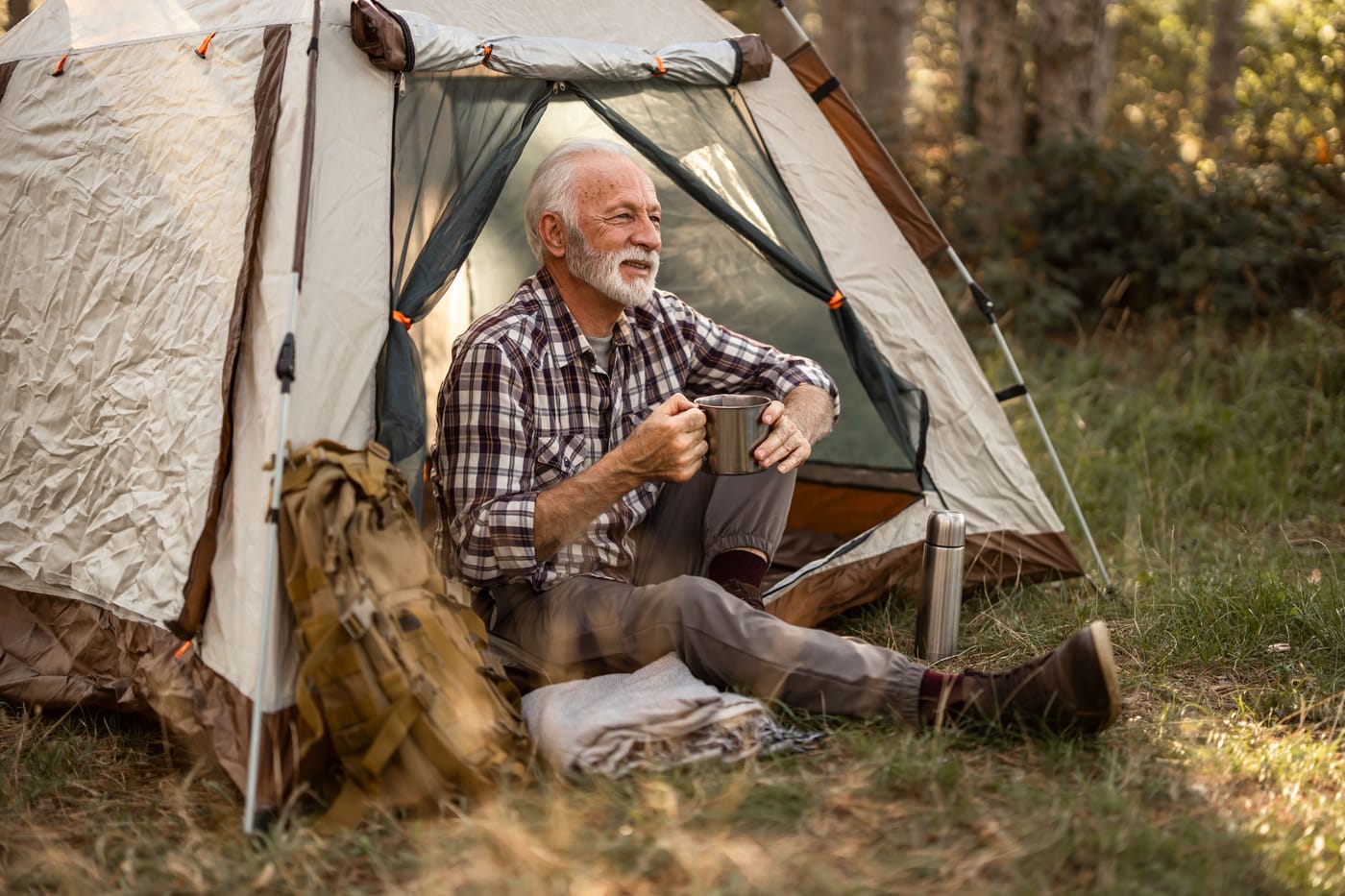
Most adults who played instruments stopped in their twenties — college ended, careers started, instruments went under beds. The assumed reason is that adult life doesn't accommodate it. The more accurate framing is that nobody told them there was a place to go back to. The camps now exist. The assumption that band camp is for teenagers is a belief that Lori Guess, a retired federal lawyer who picked up trumpet at 65 on a lake in Maine, has been quietly disproving for decades.