The Vaping Distraction
The cigarette revival caught public health off guard partly because attention was elsewhere. The vaping epidemic consumed most of the surveillance bandwidth, the policy bandwidth, and the messaging budget of anti-tobacco efforts for years. School-based prevention programs were retooled for vaping. Cigarettes were assumed to be receding.
Meanwhile, some young people were switching from vapes to cigarettes — reasoning that cigarettes, for all their known dangers, had at least been studied long enough to understand. The long-term effects of vaping remain under-documented. For a generation that frames itself as knowing and self-aware, there's something paradoxically appealing about choosing the worse thing you at least understand.
The Nihilism Factor
The most candid explanation came not from a health researcher but from a 26-year-old comedian quoted in Newsweek: "The classic path of going to school, buying a house, and raising a family just doesn't seem realistic for most people right now. And even in an age of AI, a cigarette feels like something tangible in a world that's becoming increasingly less so. In that sense, why not have a cheeky cigarette?"
The cigarette, in this reading, is not a health choice or even an aesthetic one — it's an act of physical presence in a world that increasingly isn't. Something to hold. Something that burns. Something the algorithm didn't recommend.
Dr. Little's assessment is less philosophical: "If we wait for public health officials, I think we're going to have another epidemic on our hands."
For roughly two decades, the cultural story on cigarettes was one of steady, successful retreat. Anti-smoking campaigns, indoor smoking bans, health warning labels, dramatic price increases — the machinery of public health did its job. Smoking rates among young people fell to near-historic lows. The problem appeared, largely, to be solved.
Then came Charli XCX's "brat summer." Jeremy Allen White lighting cigarettes on screen in The Bear. Kylie Jenner on the cover of Vanity Fair with a cigarette. Hailey Bieber in Interview magazine with smoke curling around her face. Dua Lipa captioning her Instagram with "anyone got a light?"
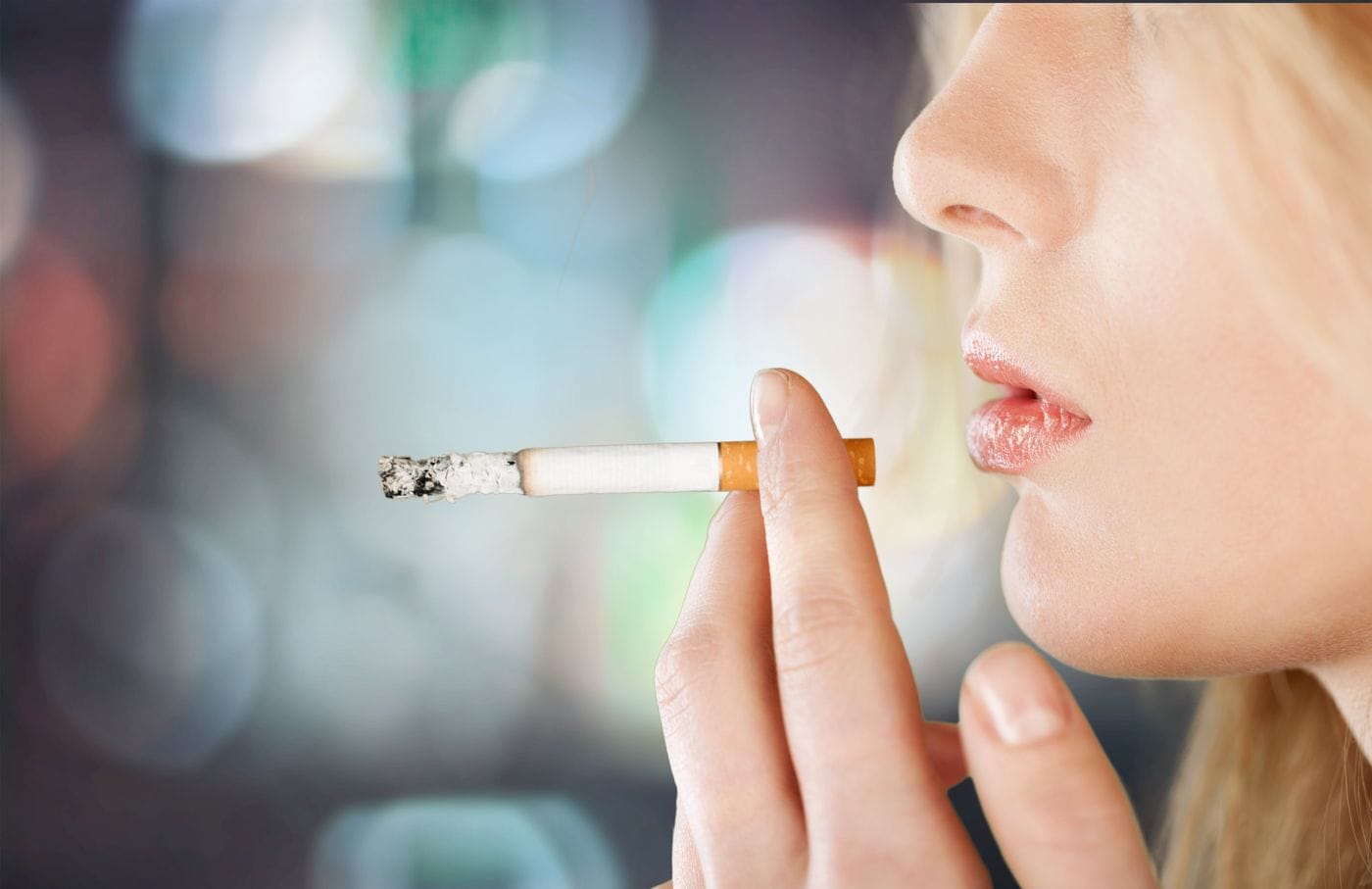
Cigarette use among 12th graders climbed from 17% to 21.8% between 2024 and 2025, according to federal surveillance data. Dr. Melissa Little, director of the Center for Nicotine and Tobacco Research at the University of Virginia, has been watching the numbers: "This is the beginning of a trend. It's a call to action."
The Numbers Nobody Expected
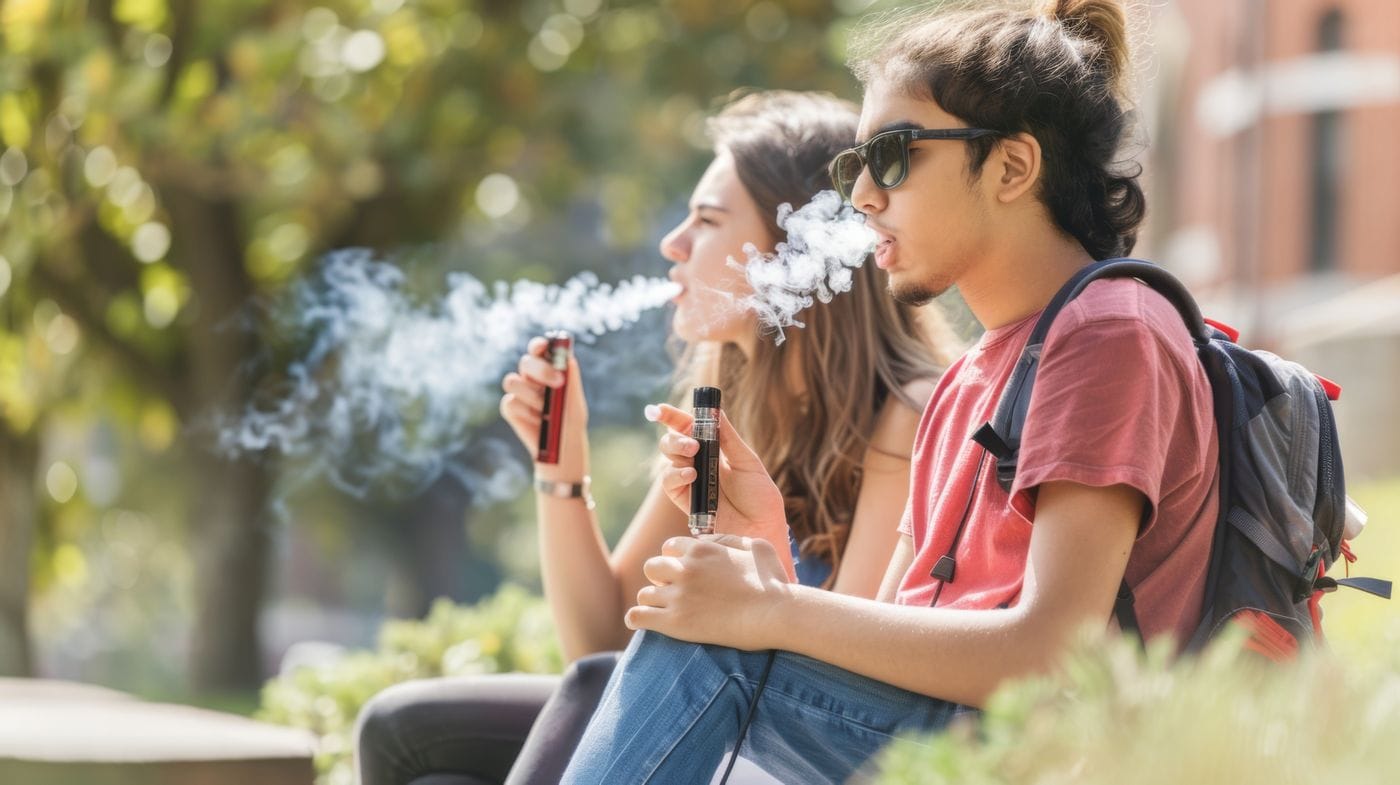
The rise is concentrated in older Gen Z — young adults at or approaching legal smoking age. High school seniors hitting bars for the first time, going outside for a "drunk cig," discovering a behavior that has somehow become not just permissible but aspirational among their peers.
"I think this is because [smoking] is becoming a norm again," one 19-year-old told SheKnows. "Pop culture is reflecting what is happening in contemporary society." Another: "You wanna look cool. You don't wanna have your hands empty." For a generation that grew up rejecting alcohol at higher rates than any cohort in 90 years, the cigarette has re-emerged as the social ritual of choice — a way to be outside, doing something together, without the same financial or cultural weight as drinking.
The federal data that might have caught this earlier is harder to come by: in July 2025, the Office on Smoking and Health was effectively dismantled from the CDC. "So we're trying to play catch up," Dr. Little says.
The Celebrity Effect
The specific cultural catalyst has been the widespread association of cigarettes with a particular aesthetic — anti-optimized, anti-clean-girl, tangibly imperfect in a way that algorithms can't replicate. The "brat" era, the messy girl aesthetic, the Y2K revival — all of them arrived carrying a cigarette.
"Social media has become a kind of personal 24/7 billboard," marketing researcher Hannah Oviatt told Newsweek, "and if you're trying to project a certain image onto yourself, a cigarette on your Instagram grid can be a surprisingly effective jumping-off point." Celebrities being photographed smoking aren't making a statement about nicotine. They're making a statement about a particular kind of unapologetic, pre-digital freedom — and tens of millions of followers are receiving it.
Dr. Rath, a researcher studying the trend, puts it plainly: "It's trendy again. It's throwback cool. Celebrities like Jeremy Allen White and Charli XCX holding cigarettes on-screen or on social media are basically unpaid spokespeople for the tobacco industry, whether they know it or not."
The Vaping Distraction
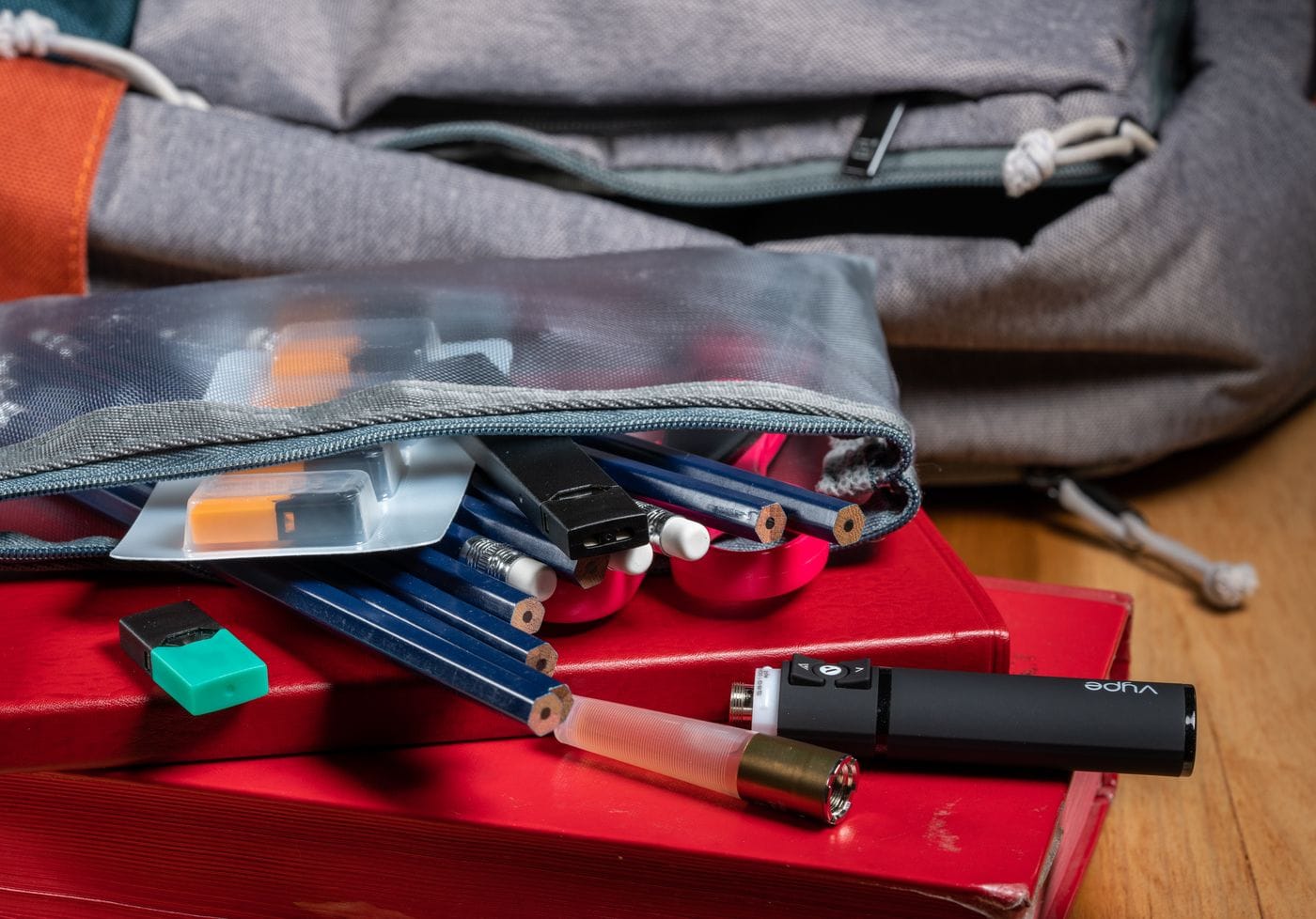
The cigarette revival caught public health off guard partly because attention was elsewhere. The vaping epidemic consumed most of the surveillance bandwidth, the policy bandwidth, and the messaging budget of anti-tobacco efforts for years. School-based prevention programs were retooled for vaping. Cigarettes were assumed to be receding.
Meanwhile, some young people were switching from vapes to cigarettes — reasoning that cigarettes, for all their known dangers, had at least been studied long enough to understand. The long-term effects of vaping remain under-documented. For a generation that frames itself as knowing and self-aware, there's something paradoxically appealing about choosing the worse thing you at least understand.
The Nihilism Factor
The most candid explanation came not from a health researcher but from a 26-year-old comedian quoted in Newsweek: "The classic path of going to school, buying a house, and raising a family just doesn't seem realistic for most people right now. And even in an age of AI, a cigarette feels like something tangible in a world that's becoming increasingly less so. In that sense, why not have a cheeky cigarette?"
The cigarette, in this reading, is not a health choice or even an aesthetic one — it's an act of physical presence in a world that increasingly isn't. Something to hold. Something that burns. Something the algorithm didn't recommend.
Dr. Little's assessment is less philosophical: "If we wait for public health officials, I think we're going to have another epidemic on our hands."