

FoodNeverComes works exactly like a food delivery app. You browse through restaurants, select dishes, customize your order, enter your address, choose a payment method, and watch an animated rider make their way toward your door on a map. The food never arrives. No money changes hands. The order is entirely simulated.
The app was created by a South Korean developer named Malhee, who described the inspiration in a social media post: "I created this on one of those nights when I kept opening and closing delivery apps — not because I was hungry, but out of habit, out of boredom." It went viral globally in June 2026, and the reaction it generated says something more interesting than the app itself.
Food You Order and Never Receive
FoodNeverComes is the most prominent example of what South Korean Gen Zers have been calling "dopamine sites" — platforms that replicate the ritual of online shopping or food ordering without any real transaction. Other versions include fake Amazon storefronts stocked with real-looking products you can browse, add to wishlists, and "purchase" without any payment going through. One simulates virtual cigarette breaks for people trying to quit smoking.
The apps are growing in popularity in South Korea partly because the country's economy has been under real pressure. Rising prices, stagnant wages, and a tightening job market have made actual online shopping feel less accessible. Dopamine sites offer a version of the experience without the financial consequence.
What their creators didn't expect was how genuinely satisfying the experience turned out to be — and why.
The Neuroscience Behind a Fake Cart
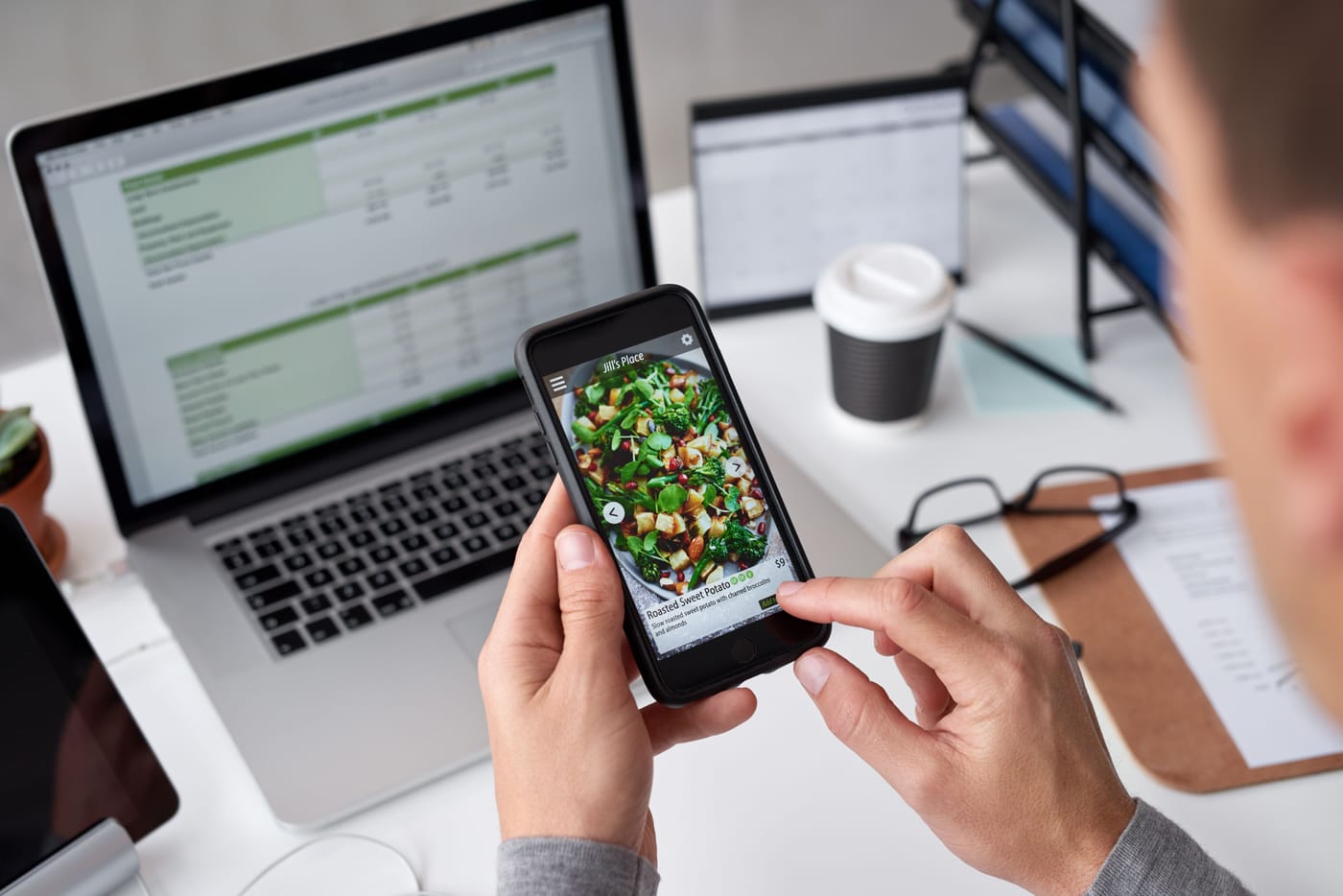
The science behind dopamine sites is more interesting than it first appears. Dopamine, the neurotransmitter associated with pleasure and reward, is primarily released in anticipation of a reward — not when the reward is received. The biggest neurological hit from online shopping comes not when the package arrives at your door, but when you're browsing, filling the cart, and pressing the buy button.
This means the actual product was never the main event. The experience of deciding, selecting, and committing was. Which is why sliding through menus, customizing an order, and hitting "place order" on FoodNeverComes produces a recognizable feeling of satisfaction — even though Malhee built it as, in their words, "a joke."
"I started it as a joke at first," Malhee wrote, "but surprisingly, just satisfying that urge to 'order something' made it weirdly fulfilling without actually ordering."
Window Shopping for People Who Can't Touch Grass
When FoodNeverComes went viral beyond South Korea, reactions divided sharply. On social media, responses ranged from earnest empathy to existential despair. "The world is such a depressing place, man," read one widely shared reply. Another user described dopamine sites as "window shopping for people who can't touch grass." A third called it "playing pretend for adults."
On Reddit's r/shoppingaddiction community — where users grapple with compulsive spending — the conversation was more nuanced. One user compared FoodNeverComes to non-alcoholic beer for recovering alcoholics: "Scratches the itch, especially in the beginning. You end up moving on from it, but it can be a really helpful stepping stone."
Others were more skeptical, worried that simulating shopping might reinforce the same habit loops it was supposedly designed to interrupt.
What This Actually Tells Us About Retail Therapy
The deeper question FoodNeverComes poses isn't really about apps. It's about why retail therapy works at all — or more precisely, what we're actually doing when we do it. If the dopamine comes before the item arrives, the item was never the point. The ritual of browsing, deliberating, selecting, and committing was doing the emotional work the whole time.
Most people who've ever added items to a cart and then closed the tab without checking out have already experienced this. That behavior — filling the cart for the mood lift, then abandoning the purchase — is essentially dopamine site behavior without the app. FoodNeverComes just made the mechanism explicit.
Whether that's helpful, sad, or simply accurate depends on what you think retail therapy was ever really for.














