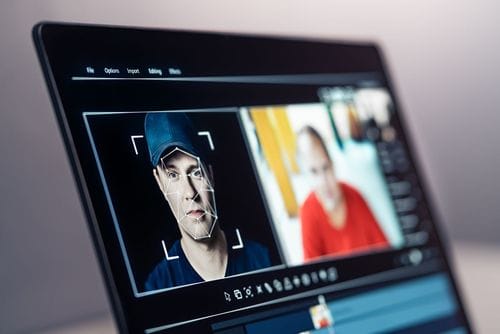
 On Tuesday, July 7, Meta launched Muse Image — its first in-house AI image generation model, built by Meta Superintelligence Labs. Tucked inside the rollout was one specific feature: anyone could type a public Instagram account's handle into Meta AI and generate new images of that person using their public photos. No notification to the account holder. No consent request. Automatically opted in by default.
By Friday, July 10, the feature was gone. Meta issued a blog post saying it "missed the mark" and that the capability was "no longer available."
What happened in between is worth understanding — because the feature may be gone but the precedent it revealed is not.
What Muse Image Did
The Instagram-referencing feature worked exactly as described: a user would @-mention any public Instagram account in a Muse Image prompt, and Meta AI would pull that account's public photos to generate new images. "Generate [username] at a beach." "[Username] at a wedding." Whatever the prompt described.
Meta's own help center confirmed the approach explicitly: "You will not be notified about content created using AI features at Meta." If your account was public — which most Instagram accounts are — you were enrolled. The opt-out existed but was buried four menu levels deep, in a settings section most users never visit, under wording that wasn't particularly clear.
Reporters testing the feature successfully generated images of people they had never followed, interacted with, or met. SAG-AFTRA called it "a privacy landmine." CAA called Meta's approach an "utter miscalculation of public sentiment."
How Fast the Backlash Moved
The feature launched Tuesday morning. By Wednesday, SAG-AFTRA had issued a formal statement urging all Instagram users — not just its members — to opt out and "take action to protect your likeness." CAA issued its own condemnation and said it had raised concerns directly with Meta. TechCrunch, Wired, and dozens of other outlets published opt-out guides.
Meta's initial response was to downplay the concern: "We built Muse Image with strong controls and safety guardrails from day one."
By Friday afternoon, the feature was removed. "We've heard the feedback that this feature missed the mark, so it's no longer available," the company said.
The three-day arc — launch, condemnation, removal — was the fastest public reversal of a major Meta product feature in recent memory. SAG-AFTRA welcomed the removal and called it "the responsible thing to do." CAA said it looked forward to ongoing conversations about consent.
What Still Exists
Two things matter here even though the feature is gone.
The first: any AI-generated images that were created from someone's Instagram photos during those three days still exist. Meta offered no retroactive removal mechanism. Images that were generated before the feature was pulled remain in circulation, and the person photographed has no recourse.
The second: Muse Image itself is still live across Meta AI, Instagram, and WhatsApp. The removed feature was specifically the Instagram public account referencing capability — not the broader model. Meta has signaled plans to expand AI features across Facebook, Messenger, and its other platforms. The consent question will come back.
The Pattern This Reveals
This isn't a Meta-specific problem. It's a pattern. OpenAI's Sora video model operated on the same opt-out-by-default logic before being shut down. Google announced similar default enrollment for AI training on search history in the same week. The approach — assume consent unless the user navigates to an obscure setting — has become the default posture of platforms rolling out AI features.
Privacy advocates have named the pattern clearly: data sharing on, opt-out buried, backlash becomes the main mechanism for course correction. In Meta's case, this time, the backlash worked in three days. It won't always.
The practical guidance: review your Instagram sharing and reuse settings regardless of whether the specific Muse Image feature is currently active. Meta is building more AI products. The settings that protect your content from being used in them exist now and are worth locating before the next launch.