Say the names: Meryl. Al. Tom. Morgan. Denzel. Jack. These are faces you could pick out of a lineup in the dark. Distinctive. Memorable. Unmistakably themselves in a way that has nothing to do with conventional beauty and everything to do with the kind of face that registers as a person rather than a category.
Now watch what happens when you try to do the same exercise with the under-40 set. The Hollywood Reporter's July 2026 cover story — "The New Face of Hollywood" — made the observation explicit: newer stars look more... familiar. There's a more generic quality to beauty now. Call it Instagram face. Or, in a reference to AI's rising cultural influence, call it what the industry has started calling it: slop face.
What "Slop Face" Actually Is
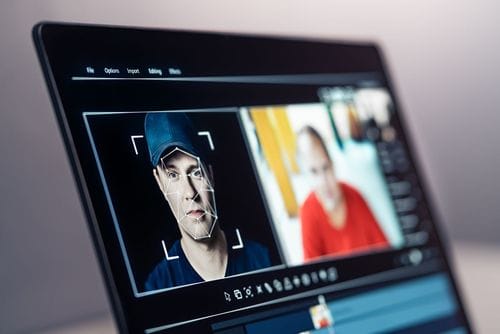
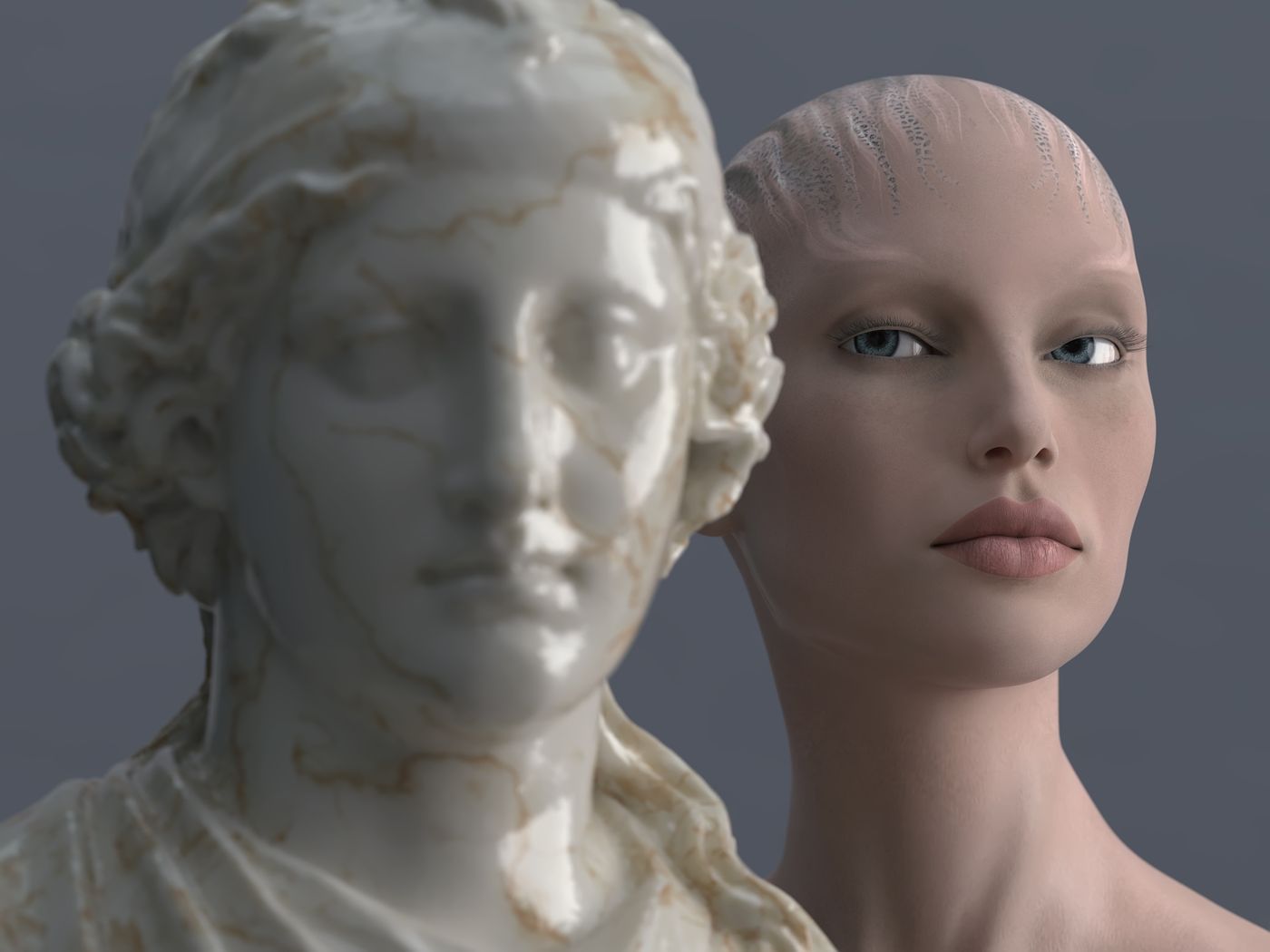
"Slop" in the AI context refers to algorithmically generated content — images, text, video — that is produced quickly, at scale, and tends toward the statistical average of its training data. AI-generated faces look like everyone and no one: perfectly symmetrical, conventionally attractive, and utterly forgettable. They pass the immediate test of beauty while failing the deeper test of being remembered.
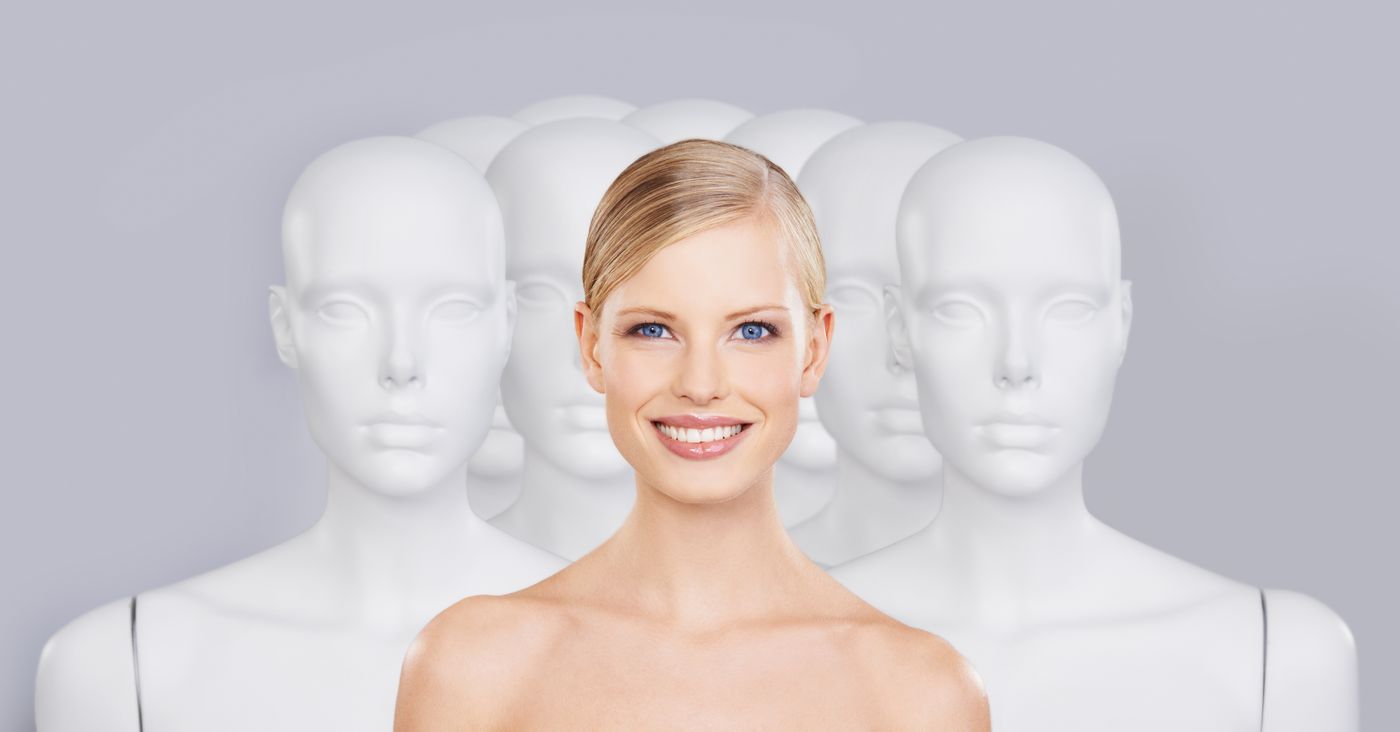
"Slop face" describes what happens when human faces start trending toward that same algorithmic average — chasing a beauty standard that exists not in any specific face but in the AI-processed aggregate of millions of images. Disney princess eyes. Plumped lips. Bone structure that could be assembled from a pull-down menu. The result is a face that photographs well and means nothing.
The term follows "Ozempic face" — the gaunt, sunken look associated with rapid weight loss from GLP-1 medications — in Hollywood's ongoing practice of naming and categorizing what pharmaceuticals and procedures are doing to the faces of the famous.
The Observation That Started It
The Hollywood Reporter writer first noticed the split at broadcast network parties more than a decade ago. At events hosted by CBS, NBC, and Fox, the older actors looked singular — they had the faces of people who had been rained on and argued and stayed up too late and laughed until something hurt. At a party hosted by The CW, the starlets were, in the writer's description, "like a petite, size-zero army — all big Disney princess eyes, plumped lips and long, voluminous hair, despite all being on different shows."
That was ten years ago. The convergence has only accelerated.
"When was the last time you saw a star under 40 with less than perfect teeth?" the piece asks. The question sounds rhetorical. It isn't. It's a genuine audit of something that has changed. Actors who came up in earlier eras had gaps, chips, irregularities — the usual proof of a human body. The current generation arrives in Hollywood with teeth that look like they were rendered in software.
Rachel McAdams has kept her mole. The piece notes this with something approaching admiration. "Heaven knows how many bumps on other famous mugs have been frozen and scraped off."
How It Happened
The pressure to aesthetically conform is not new in Hollywood. What's new is the mechanism. Previously, that pressure came quietly and indirectly from agents, managers, casting directors — the quiet suggestion in a note, the observation dropped in a meeting. Private. Deniable. Limited in scope.
Now actors can read, in real time, what thousands of people think about their nose. Algorithms surface the most engaging feedback first, which typically means the harshest, and the most engaging coverage of actors tends to focus disproportionately on those with on-trend features. The result is a system in which the pressure to conform has been democratized, accelerated, and made constant — every time someone checks their phone, the feedback loop runs again.
Cosmetic dentists, dermatologists, and plastic surgeons report a consistent pattern: patients arriving with reference photos, asking to look like a specific face. That face is rarely a celebrity's. Increasingly, it's an AI-generated composite that doesn't belong to anyone.
Why Distinctiveness Still Matters
The Hollywood Reporter piece is not simply complaint. It's a case for something.
The old guard looks distinctive not in spite of their irregular features but because of them. The gap in Lauren Hutton's teeth. The nose Jack Nicholson was never asked to fix. The lines and topography that come from a face that has been allowed to mean something specific. These features are memorable because they're legible — they suggest a person behind them.
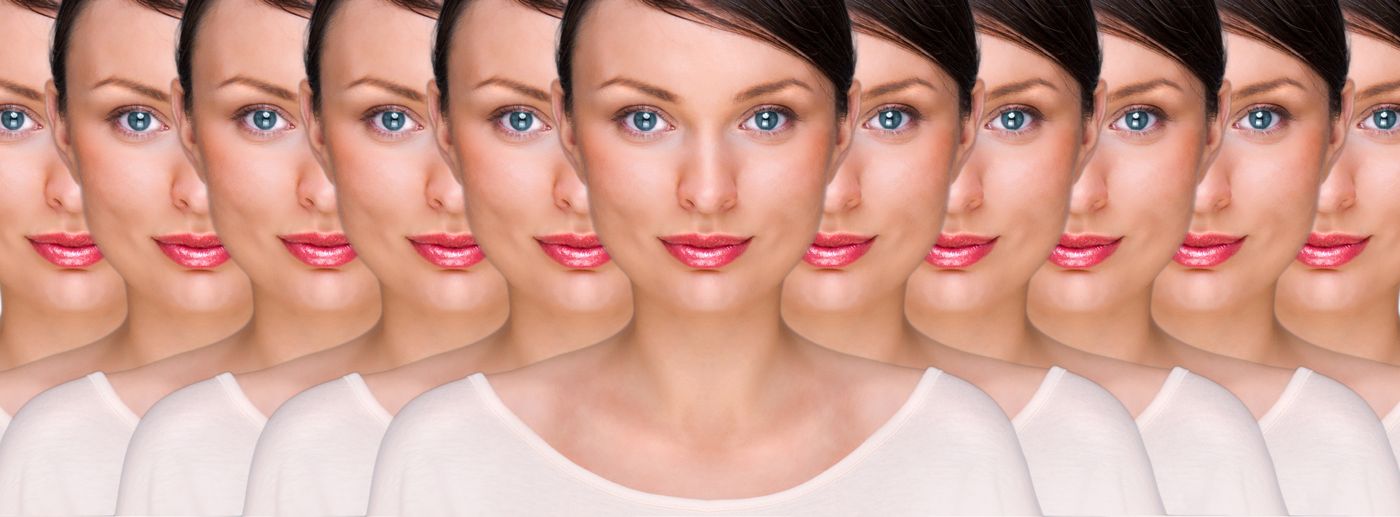
Slop face, by contrast, is beautiful in the way a well-rendered AI image is beautiful: technically correct, and offering no particular reason to remember it. The worry isn't that Hollywood stars are getting work done. The worry is that they're all getting the same work done, in the same direction, toward the same destination — and that destination looks increasingly like something a machine would generate if you asked it for "attractive face."