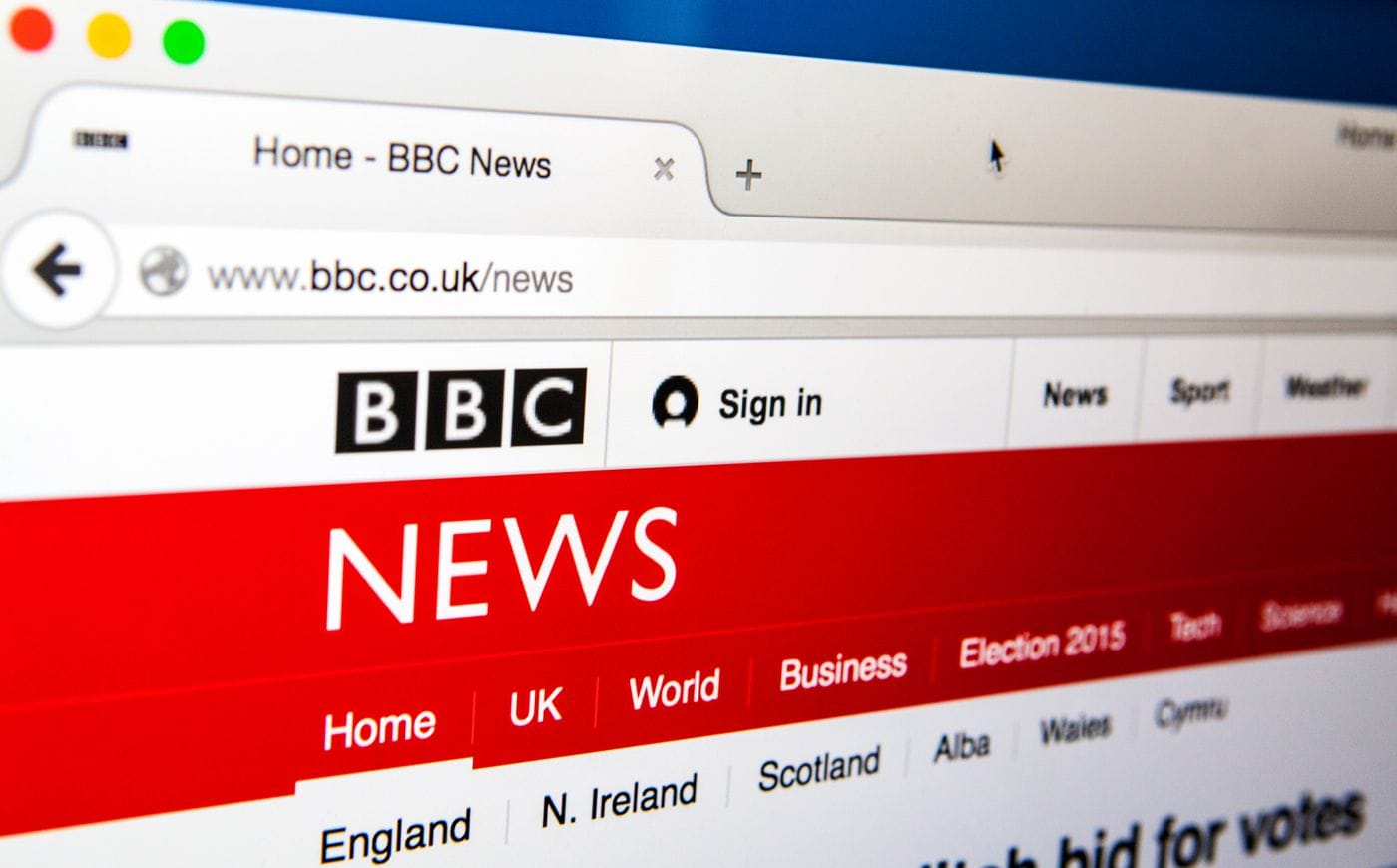
The article looks real. It appears in your social media feed alongside everything else you read. The Guardian logo is at the top. The fonts are right. The layout matches. There's even a byline — a real journalist's name, used without their knowledge.
The article says that billionaire Jim Ratcliffe stormed out of a BBC interview after presenter Laura Kuenssberg revealed details of his personal finances. It says he's been secretly earning money through an investment platform. It says others have made a fortune using it too. It says the link to that platform is right there, in the article.
Everything about it is false. The article doesn't exist. The platform is a scam. The only purpose is to take your money.
What the Fake Article Looks Like
The Guardian reported this month that scammers are creating near-identical copies of its website — and those of the BBC, the Financial Times, and other trusted news organizations — filling them with fabricated stories, and pushing them through social media feeds to unsuspecting readers.
"A very good clone," one Guardian reader described the fake site they encountered. The design features were nearly identical to the real website. Only the unusually long, sensational headline gave it away — and only because that reader happened to notice.
The subjects of the fake articles vary, but the pattern is consistent: a prominent public figure, a fabricated scandal or financial revelation, and a link to an investment platform that the article implies the figure has been using. David Attenborough allegedly profiting from a trading platform. Martin Lewis, the UK financial campaigner, endorsing an investment product. Ratcliffe using a "secret" cryptocurrency platform that others can now access. All fabricated. All designed to lend credibility to what is, at the end, a simple theft.
How the Scam Actually Works

The mechanics, as documented by researchers at Bitdefender, follow a consistent pattern.
The fake article appears as a sponsored or promoted post in a social media feed — Facebook, Reddit, and Instagram are the primary distribution channels. The article looks like legitimate journalism. The reader clicks a link within it and lands on what appears to be a legitimate trading platform — in one documented case, a pixel-perfect clone of the Kraken cryptocurrency exchange.
There, the reader is asked to enter their personal and financial details. Shortly afterward, they receive a phone call from a scammer who attempts to convince them to invest money in what they're told is a high-return trading opportunity. The investments don't exist. The trading platform is fake. The only goal is to extract cash.
The fake domains are registered quickly, run for a short period, and then abandoned before they can be reported and removed. In 2025, the Australian Securities and Investments Commission coordinated the removal of nearly 12,000 phishing and investment scam websites — a 90% increase from the previous year. The volume is growing faster than it can be cleaned up.
The AI Element Making It Harder to Detect
Fact-checkers at Full Fact examining the fake Jim Ratcliffe article found that images used in the piece carried a SynthID watermark — meaning they had been generated using Google's AI image tools. AI is making the visual construction of fake news sites faster, cheaper, and more convincing than it has ever been. A production that once would have required weeks of design work can now be assembled in hours.
"Criminals clone our brand precisely because it is trusted, then use invented news stories and AI-generated images to push people toward a copycat site that quietly takes their money," said Nick Percoco, chief security officer of Kraken, whose branding has also been impersonated.
The Red Flags You Can Actually Spot

The Guardian is explicit: legitimate news organizations do not include embedded links to specific investment platforms within their editorial articles. If you encounter an article that does, that is the primary red flag, regardless of how convincing the rest of the page looks.
Other signals to watch for: headlines that are unusually long and sensational, particularly those suggesting a "secret" investment opportunity or claiming that authorities are "trying to suppress" the story. Guarantees of specific investment returns. Urgent language pressuring immediate action. Celebrity endorsements that sound slightly off. And always: check the URL. Scam domains differ slightly from the real ones, often by a single character or domain extension.
The scam works because it exploits exactly the reflex that normally protects us — the instinct to trust sources we recognize. That trust, applied to a convincing enough copy, is sufficient.