
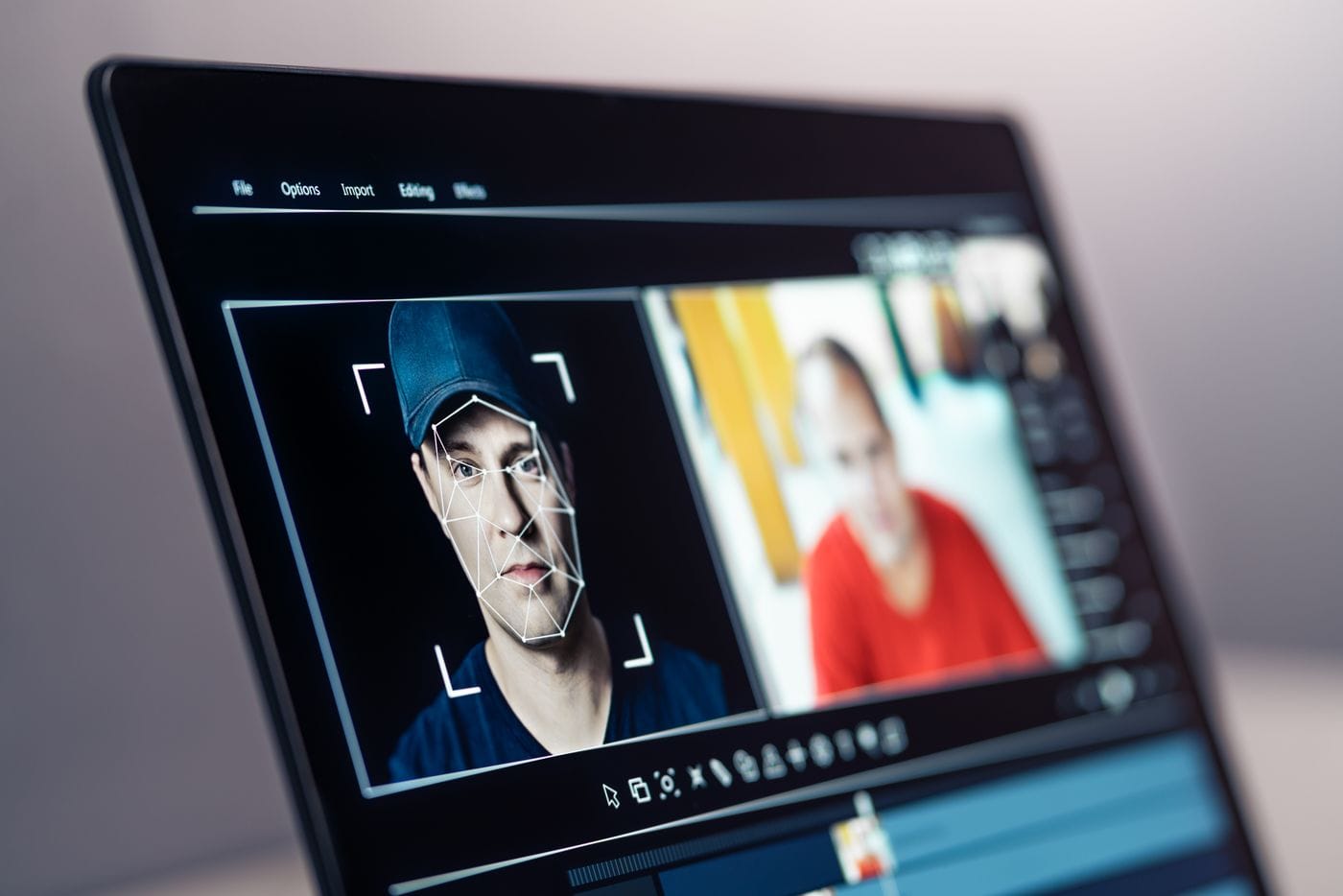
Not long ago, spotting an AI-generated face was easy. There'd be an extra finger, a third ear, a shadow going the wrong direction, eyes that didn't quite make sense. The glitches were obvious enough that the phrase "AI-generated image" functioned as a quick visual shorthand for something immediately dismissible.
That's no longer the case. Current AI image generators produce faces convincing enough that careful observers regularly mistake them for photographs of real people. Apps like Zoom and Tinder now require biometric verification — retinal scans, for instance — because profile pictures alone can no longer be trusted. The problem has grown fast enough that researchers at Australian National University set out to find a method of detection that might actually keep up.
Their findings, published in June 2026 and summarized in Scientific American, suggest that the right approach doubles accuracy — but it requires abandoning everything most people currently use.
Why Old Detection Methods Are Already Obsolete
The conventional approach to spotting AI faces involved training people to look for specific artifacts: a wonky ear, a pupil with a strange shape, mismatched jewelry, hair blending oddly into the background. These are real indicators of AI-generated images. The problem is that they're temporary.
"The AI is getting too good," said Amy Dawel, associate professor at Australian National University and the lead author on the study. "And fraudsters may avoid using pictures with obvious flaws anyway."
Each new version of an AI image generator produces fewer visible glitches. Glitch-based detection is essentially a race against a software update timeline the detector will always lose. The alternative the researchers identified is a different kind of pattern — one that doesn't come from the AI's mistakes but from its fundamental design.
The 6 Markers That Actually Work
AI image generators are trained on millions of photographs of human faces. When producing a new face, they don't copy any specific image — they construct a face based on the mathematical patterns that appear across the entire dataset. What this produces, consistently and predictably, is a face that drifts toward the statistical average of human faces.
The six markers the researchers identified for AI-generated faces are:
- More symmetrical — Human faces are subtly asymmetrical. AI faces are unusually balanced.
- More proportional — Facial features in AI-generated images tend to conform closely to conventional beauty ratios.
- More attractive — AI gravitates toward conventionally good-looking faces because attractive faces dominate training datasets.
- Less expressive — Real human faces, even in still photography, show tension, habit, and history. AI faces are neutral in a way that real faces almost never are.
- Less distinctive — The strong individual characteristics that make a face memorable tend to be smoothed toward the average.
- Less memorable — Ask someone to recall an AI face they've seen. They often can't. It wasn't distinctive enough to register.
When participants in the study were trained to look for these six global markers rather than specific visual glitches, their ability to identify AI-generated faces nearly doubled.
Why AI Gravitates Toward the Average
The mechanism is straightforward once you understand how the training works. Human photography tilts toward good-looking people in attractive lighting under favorable conditions. Selfies, professional portraits, and photographs people choose to share publicly all skew toward better-looking, better-lit, more composed versions of people. The AI learns from that bias and reproduces it.
The result: an AI face that's plausible because it looks good — but suspicious for exactly that reason. Real faces are shaped by things no algorithm would choose: the slightly crooked nose from a long-forgotten break, the asymmetry of a face that has spent more time on one side, the lines that come from a lifetime of specific expressions. These aren't flaws. They're records.
The Deeper Implication
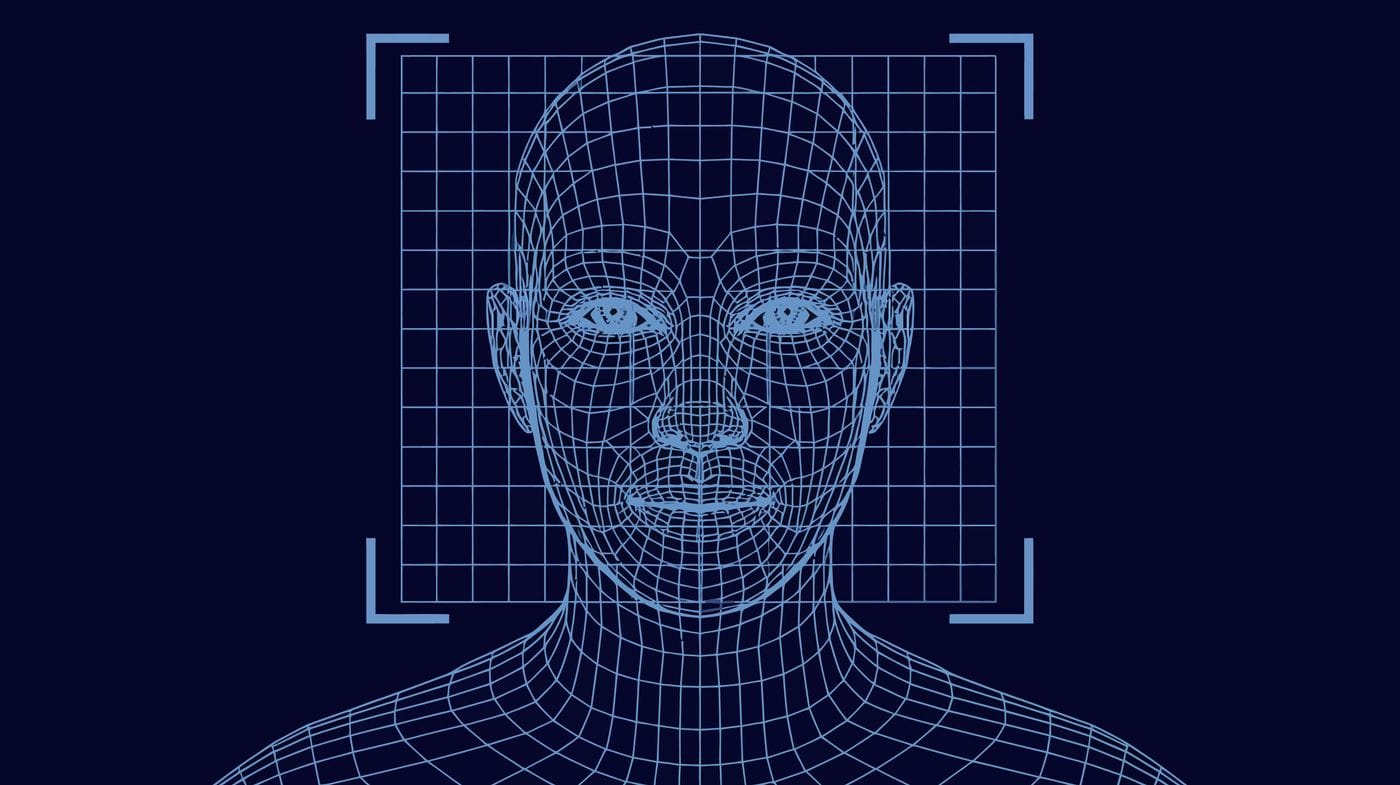
"Our subtle asymmetries, distinctive features, and expressions make us memorable. Those imperfections are not flaws. They are our signature," the Scientific American article concludes.
This is partly a practical tip and partly a more fundamental observation about what makes a face human. AI optimizes for a center that real people never occupy. The most convincing AI faces are, paradoxically, the ones that look most like everyone and therefore no one in particular.
The next time a profile picture looks clean, attractive, and generic — symmetrical in a way that seems less like luck and more like math — trust that feeling. That slight, uncanny sense that something is too composed is your brain detecting exactly the pattern the Australian National University researchers have now put a framework around.














