Last Thursday at SpaceX's rocket testing facility in McGregor, Texas, Elon Musk drove a car up a curved ramp, had it travel upside down — apparently defying gravity by gripping the surface — and then watched it fly off the end, flip 180 degrees in midair, and land on its wheels.
Then he said: "Turns out the future does have flying cars."
The Tesla Roadster 2 is real. It uses SpaceX thrusters. It goes from 0 to 60 miles per hour in 0.81 seconds — faster than any production vehicle ever made, faster than most roller coasters, faster than your brain registers what just happened. It can fly, roll, and perform what Musk described as "crazy gymnastics."
Production starts in 2028. Price: not announced. Road approval: not yet granted.
Welcome to the future. It is slightly unhinged.
What the Car Actually Does
The Roadster 2 is a Tesla sports car with SpaceX technology bolted to it — specifically, ultra high-pressure air tanks and thrusters derived from SpaceX's rocket program. These thrusters can propel the car off the ground, control its altitude, and allow it to perform maneuvers that no wheeled vehicle has previously executed.
During the October 15 demonstration, the car drove up a ramp that curved until the car was completely upside down. It maintained contact with the inverted surface — either through suction, downforce, or some combination — before launching off the end into open air. It rolled 180 degrees and landed on its wheels.
Later in the event, the Roadster 2 flew over a line of existing Tesla models. Not over a ramp. Over cars. In the air.
"Flying cars are real," Musk said. "It's got altitude controls, thrusters and main thrusters in the rear. So it can basically fly like a rocket, it can do rolls, crazy gymnastics."
He paused and added: "I should say it's not necessarily a safety optimised car but it takes the fun meter to 11."
What "Flying" Actually Means Here
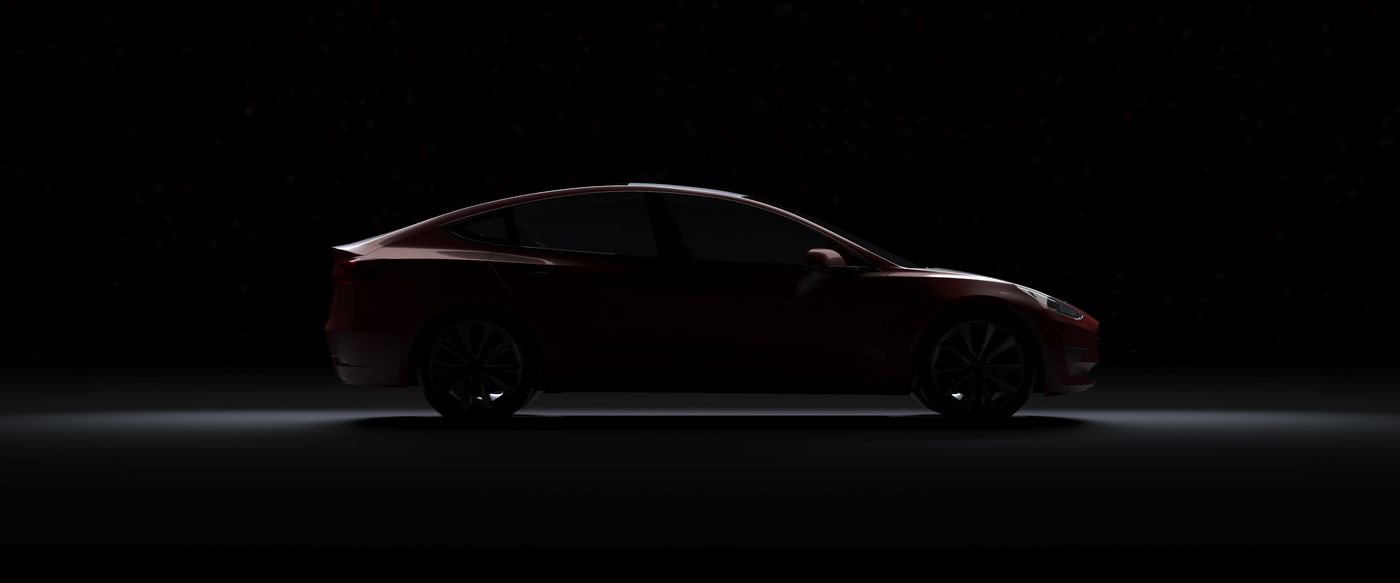
This is where it's worth being precise. CNN consulted an aviation expert who described what the Roadster 2 does as "closer to hopping than flying" — the thrusters propel the car off the ground and allow brief controlled flight, but the Roadster is not capable of sustained altitude in the way an aircraft is.
This is not a car that will commute at 3,000 feet. It is a car that can leave the ground, execute maneuvers in the air, and land. That is still something no production vehicle has done, and it is still genuinely extraordinary.
Tesla's own website notes that the planned flying model is not approved for public road use — let alone public air use. Getting a thruster-equipped vehicle approved by the FAA for anything resembling commercial flight is a regulatory process that will take years, if it happens at all. Musk has acknowledged this, saying at the event that "success is not guaranteed" but "it will probably work."
"Probably" is doing a lot of work in that sentence, but for Elon Musk, "it will probably work" has historically been closer to accurate than it sounds.
The SpaceX Factor
What makes the Roadster 2 different from every other "flying car" announcement — and there have been many — is the engineering behind it. The thrusters are not concept-stage technology. They are derived from SpaceX's actual rocket hardware, the same company that has successfully landed reusable rockets more than 300 times.
"This is what happens when you have a collaboration with the world's best car company and the world's best rocket company," Musk said at the event.
Analysts at Wedbush Securities noted that the Roadster reveals something larger: "The Tesla and SpaceX relationship on the table in a tangible way, with propulsion, pressure-vessel, and control hardware developed at the rocket company sitting on a Tesla product." The implication is that Tesla and SpaceX are increasingly functioning as a single engineering platform.
Musk called the Roadster 2 "the best of the last of the human-driven cars" — meaning he expects autonomous driving to eventually make human-piloted vehicles a niche category. The flying Roadster is, in his framing, the ultimate expression of what a human-operated vehicle can be before that transition.
What It Will Cost and When It Arrives
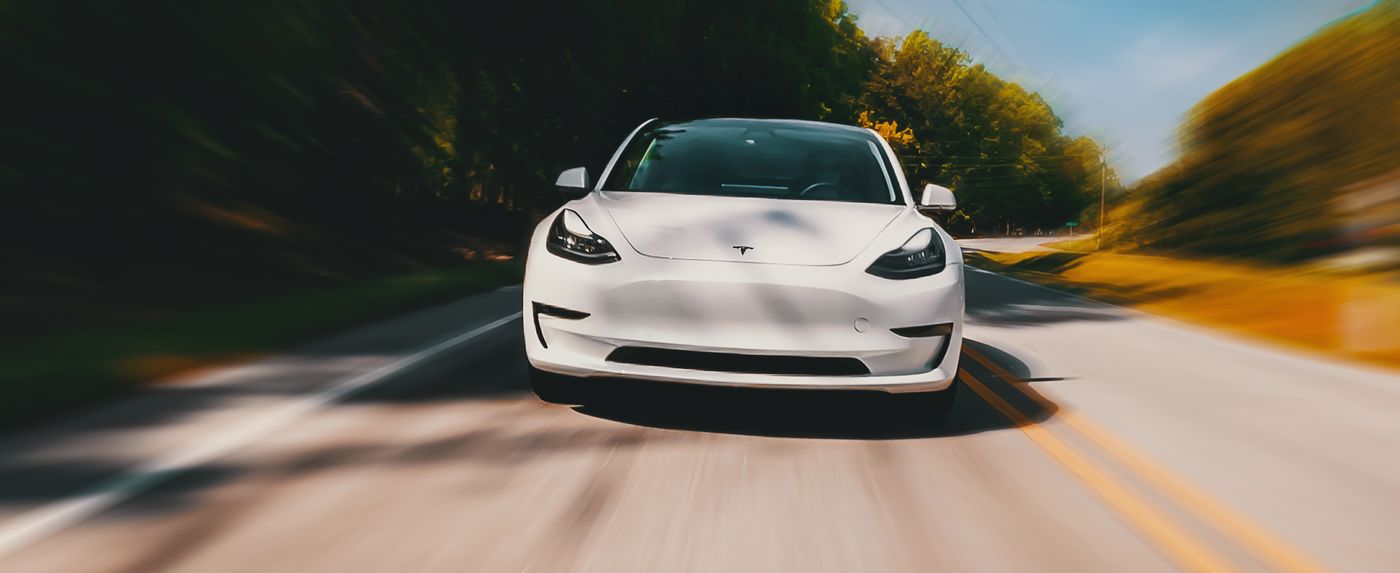
Production is scheduled to begin in 2028. A price was not announced at the October 15 event. The original Roadster 2, announced in 2017, was priced starting at $200,000 — the flying version, with SpaceX hardware, will almost certainly be significantly more expensive.
Tesla's website indicates the flying model is a separate configuration from the standard Roadster 2, not a standard feature. Which means: you can presumably order a Roadster 2 that stays on the ground, and spend considerably more for one that doesn't have to.
The 0-60 time of 0.81 seconds applies to the ground version. The flying version presumably achieves that number with a different kind of enthusiasm.