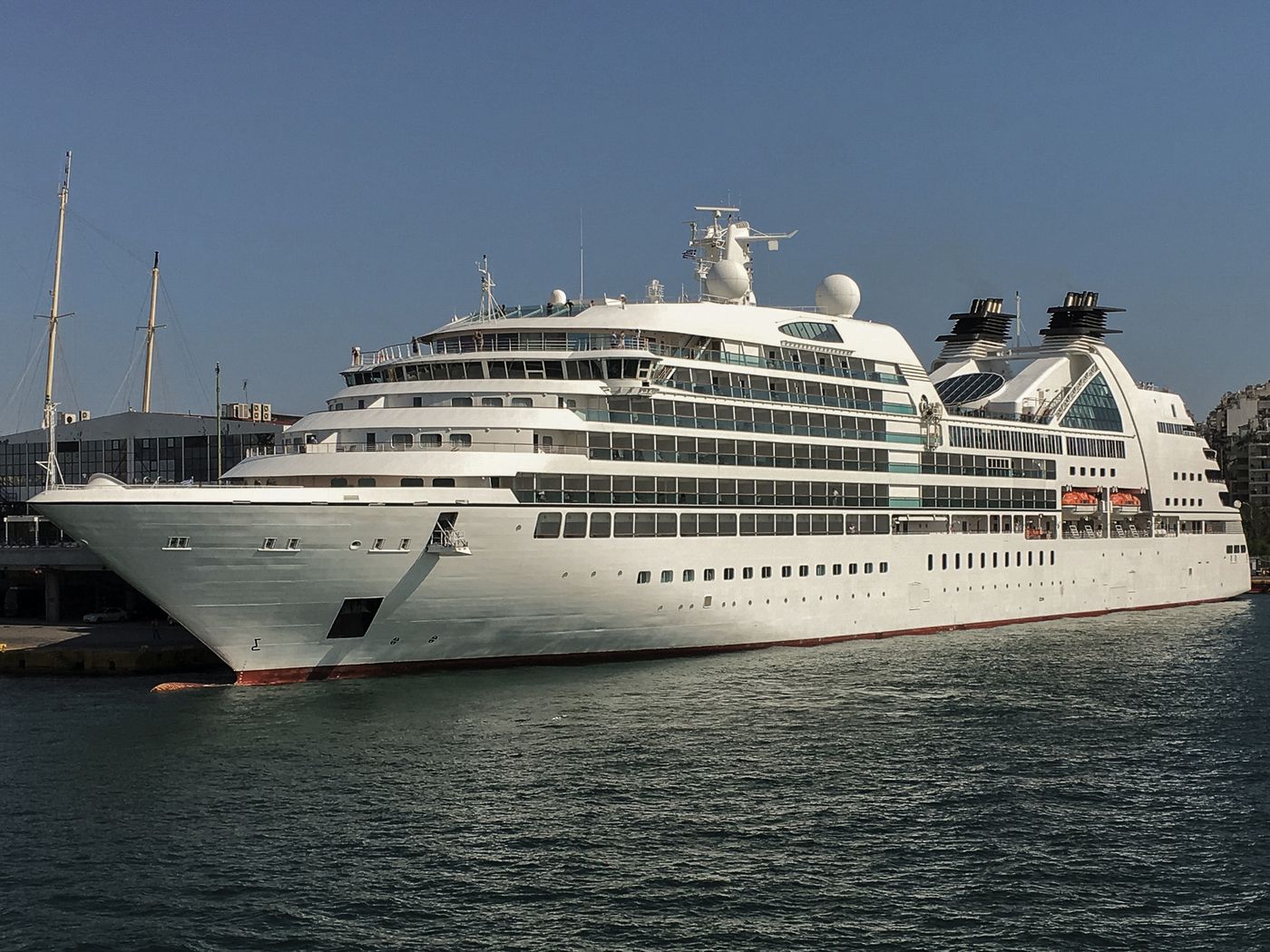
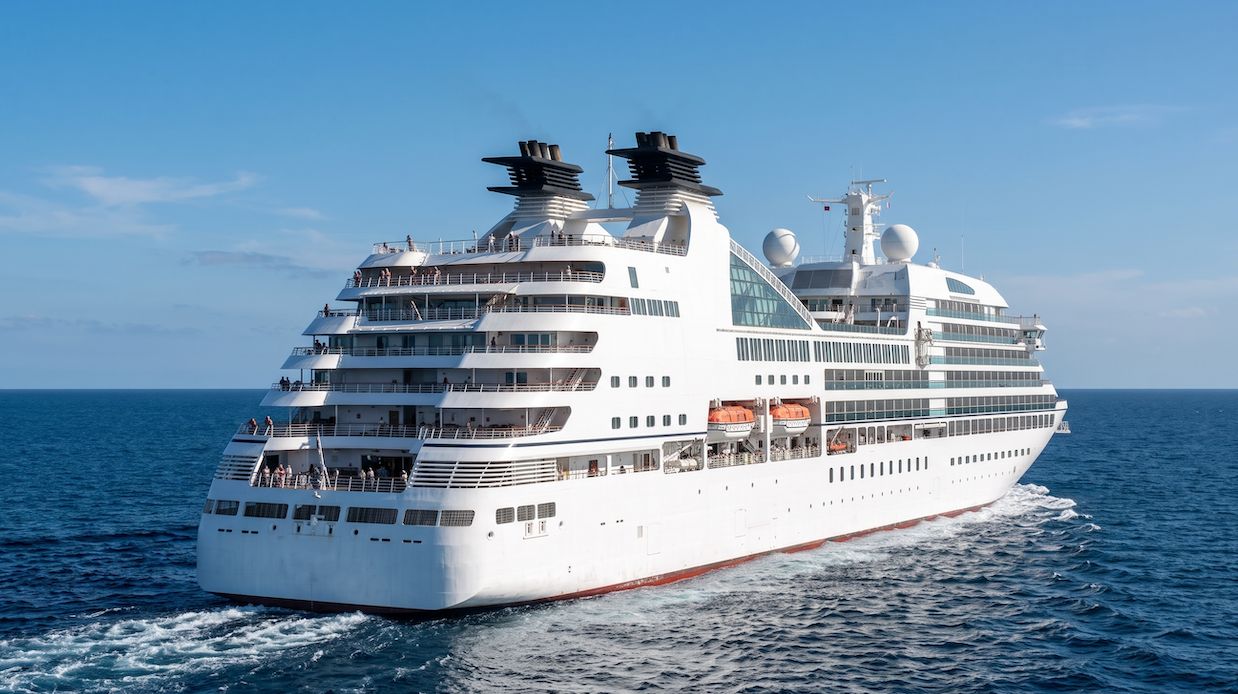
Tuesday, October 27. The cruise ship Odyssey is docked in Sihanoukville, Cambodia. On board: 203 passengers, mostly Americans, and 156 crew members.
These weren't vacationers. Most of them lived there.
Some had sold everything they owned to buy a cabin on a ship that promised to carry them to all seven continents for years. It was a floating home with a new view every week.
On Tuesday, they were told the voyage was over. They had about seven hours to get off.
The ship's Florida-based operator, Villa Vie Residences, suspended operations in Cambodia. It blamed a huge jump in fuel costs since the Iran war began.
Some passengers grabbed the first flights out. Others are still in the port city, thousands of miles from home, trying to figure out where they live now.
The Ship That Sold Itself as a Permanent Home
The Villa Vie Odyssey left Belfast, Northern Ireland, in October 2024 on a voyage planned to last three and a half years. A second cruise was tentatively scheduled to run until August 2030.
The pitch was simple: stop vacationing and start living at sea. Residents could rent or buy a cabin. A suite for the lifetime of the ship started at around $230,000.
The ship itself was not new. It was built in 1993 and sailed under several names for different cruise lines until the pandemic sidelined it in 2020. Villa Vie bought it in 2023. Its launch was rocky from day one: passengers waited for months in Belfast while the ship was repaired before it finally set sail.
Why the Money Ran Out
Villa Vie says fuel broke the business. Monthly fuel costs per cabin used to average about $1,800. In parts of Asia they have climbed to an estimated $6,000 to $8,000. Traffic through the Strait of Hormuz has been curtailed since the war began, which has squeezed fuel supplies across Southeast Asia.
The company says it tried to burn less fuel by slowing the itinerary and spending more time in port. It wasn't enough. Villa Vie said passing the full increase on to residents wasn't realistic, so it stopped the ship instead.
The company now says it will spend the next 60 days trying to restructure and raise new money. It admits no outcome is guaranteed.
Passengers Say the Warning Signs Were There
Some residents tell a different story about how sudden this really was.
Paul and Lynn Montoya are a retired couple from Wyoming. They boarded in Panama 17 months ago and planned to sail for years. They told the Associated Press the company was struggling long before fuel prices spiked. The itinerary kept changing, the internet was unreliable, and the food got worse. Many residents had already left in recent months.
Lynn said residents were repeatedly asked to chip in extra cash. That included a fresh request for fuel money just to get the ship out of Cambodia. She said the crew had not been paid, and that she and her husband were "tired of every two to four weeks being asked for money."
Randy Cassingham, a resident who writes the ResidentialCruising.com blog, titled his post about the shutdown "Abandon Ship!" He accused the company of doing "absolutely nothing to help" the people it left on the dock.
Villa Vie says it is working with residents on disembarkation and temporary housing.
Not Everyone Regrets It
For others, the heartbreak is about losing a home they loved.
Sisters Carol Larson, 69, and Crystal Lavering, 72, from California, lived in separate cabins for 18 months. Larson paid $120,000 for hers in installments, plus monthly fees, under a plan that promised up to 15 years aboard.
She knew a startup was a gamble. Early on, she decided that if it lasted a year, she would feel she got her money's worth. She still feels that way, and she hopes residents can band together to buy the ship. Lavering said life at sea improved her health so much that she no longer needed her cane.
What Happens Now
According to Long Dimanche, deputy governor of Preah Sihanouk province, the ship arrived from Thailand on October 23 and was supposed to continue to Vietnam. Instead, it is expected to refuel and leave Cambodia on Saturday, October 31. Villa Vie has not publicly confirmed a date, and where the ship goes next is unclear.
Dimanche didn't soften it. He said the order left many retirees and remote workers "homeless thousands of miles from their home countries."
Sihanoukville has seen a cruise crisis before. In February 2020, five ports turned away the Westerdam over COVID-19 fears, and it spent two weeks at sea before Cambodia let it dock. Its 1,455 passengers were welcomed ashore and flown home.
The difference this time: for the 203 people who walked down the gangway this week, the ship was never a vacation. It was home.