

Employers attributed more than 100,000 layoffs to artificial intelligence in the first half of 2026 alone, betting that automation would absorb the work. Within months, a third of those companies were quietly rehiring for the same roles. Now the data is in: 55% of business leaders who made AI-driven layoffs say the decision was wrong.
That finding, from organizational design firm Orgvue, is consistent with what's being reported on the ground at major companies including Ford, IBM, and Commonwealth Bank of Australia — all of which have reversed or substantially modified their plans to replace human workers with AI systems after discovering what the AI couldn't handle.
The Numbers: 55% Regret It, 32% Have Rehired
The Orgvue survey found that 39% of business leaders had made employees redundant because of AI. Of that group, 55% later concluded it was a mistake. A separate survey by staffing firm Robert Half, provided to CNBC, found that 32% of US hiring managers who eliminated a role primarily due to AI later rehired for the same or a similar position.
The reversals are accelerating. Forrester Research predicts that half of all AI-attributed layoffs will ultimately be reversed — though many quietly, with roles being rehired offshore at lower salaries rather than restored to the original employees. The damage to institutional knowledge, in those cases, is permanent even when the headcount is restored.
"Budgeting on 'tech to replace humans' without investing in training or upskilling left teams unprepared to leverage AI," according to a report by Intuition Labs. "Notably, among companies pushing automation, many later 'regretted' layoffs, having cut the very people needed to oversee AI."
Ford's 350 Graybeards — and the Quality Award They Won Back
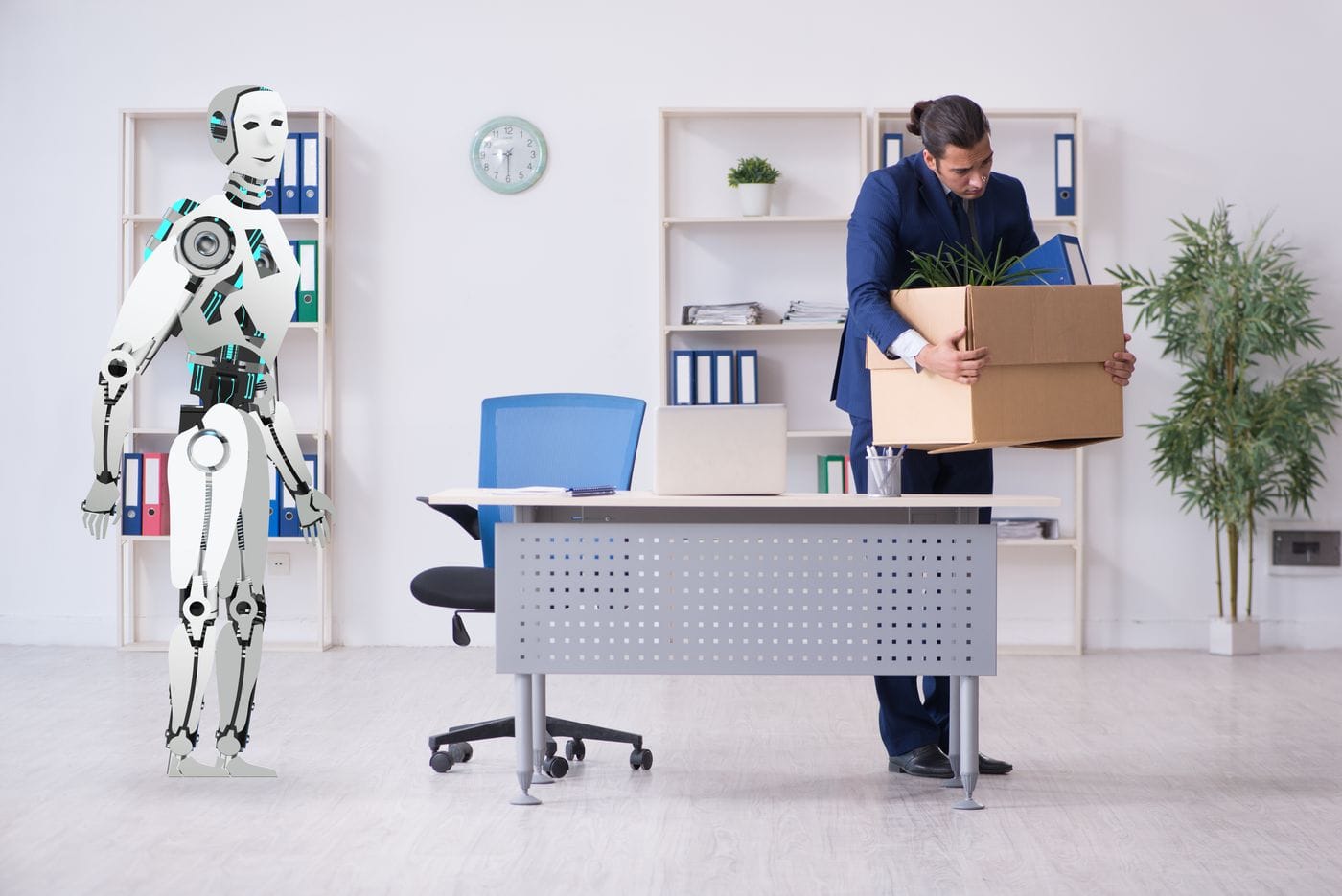
The most vivid case study is Ford. Over several years, the automaker aggressively deployed automation and AI systems in an attempt to reduce labor costs and streamline manufacturing quality control. The results fell short of what the models promised.
Ford then rehired, promoted, or newly hired 350 experienced engineers — veterans whom the company internally calls its "graybeards" — to work on quality issues the automated systems hadn't been able to catch. These were engineers with decades of accumulated judgment about what a sound problem feels like, what an anomaly means, and where to look when something doesn't add up. The AI could process the data. The graybeards knew what the data was missing.
After the rehires, Ford topped JD Power's 2026 Initial Quality Study for the first time since 2010 — its best showing in over a decade. "Artificial intelligence is a fantastic tool," said Charles Poon, Ford's VP of Vehicle Hardware Engineering, "but it's only as good as the information you use to train it."
IBM's 94% — and What the 6% Broke
IBM's version of the same problem is narrower, and in some ways more revealing. The company deployed AI to take over its human resources functions and found that the AI successfully handled approximately 94% of incoming requests without issue. Then there was the remaining 6%.
The 6% consisted primarily of cases involving ethical judgment, special circumstances, and situations where a nuanced human decision was required rather than a rules-based one. These cases didn't get resolved. They accumulated. IBM's chief human resources officer, Nickle LaMoreaux, later described the consequence plainly at a Charter AI Summit: "If we don't continue to invest in entry-level hires, what happens in three to five years? There's no pipeline; the well simply dries up."
IBM subsequently announced plans to triple its US entry-level hiring across all business units in 2026.
Commonwealth Bank of Australia completed the same cycle in a single year. The bank laid off more than 40 customer service staff and replaced them with an AI voice bot. The bot couldn't handle the complexity of real customer interactions. Call volumes increased. CBA reversed the cuts and publicly acknowledged "we did not adequately consider all relevant business considerations."
What AI Can't Do That Keeps Proving the Point

The pattern across Ford, IBM, and CBA is consistent: AI handles the routine exceptionally well. What it doesn't handle is judgment — ethical dilemmas, novel situations, relational complexity, and the accumulated institutional knowledge that experienced employees carry.
Harvard economist David Deming, studying the same pattern, found that AI doesn't replace social skills or judgment but tends to enhance their value — making the workers who have those qualities more, not less, important.
The companies now rushing to rehire didn't simply undervalue experience. They took a shortcut, discovered the shortcut's limits, and are now paying to undo the mistake. In most cases, the rehired role requires someone who can both do the original job and manage the AI that was supposed to replace them — which typically means a higher salary than the person who was let go.














