Americans throw away more than $800 worth of food per year on average. Grocery stores, bakeries, and restaurants throw away exponentially more — nearly 40% of all food produced in the United States ends up as waste. Most of it goes out the back door in the hours before it expires, perfectly edible, with nowhere to go.
A growing category of apps is changing that equation — and offering some of the steepest legitimate grocery discounts currently available.
$800 a Year, Out the Door
The food waste problem runs in both directions. At home, expiration anxiety, forgotten produce, and over-buying drive most of the loss. At the retail level, stores are constantly managing inventory that's approaching its sell-by date, unsold bakery items at the end of the day, and surplus deli and prepared food that has to go.
Both sides of that equation represent real money. For consumers dealing with grocery bills that have climbed steadily for three years, the question isn't whether the food is good — most of it absolutely is — it's whether there's a way to access it before it disappears into a dumpster.
The Surprise Bag
Too Good To Go operates on a model that's part discount, part mild adventure. Partner businesses — restaurants, bakeries, grocery stores, cafes — create what the app calls Surprise Bags: collections of unsold food priced at roughly one-third of retail value, starting as low as $3. You reserve the bag through the app, show up during a pickup window, and receive whatever didn't sell that day.
You don't know exactly what you're getting until you arrive. A bakery bag might be a mix of loaves, pastries, and rolls. A grocery store bag might be produce, deli items, or prepared foods. A restaurant bag might be tonight's leftovers packaged for tomorrow.
Globally, Too Good To Go has saved more than 480 million meals from going to waste, partnering with businesses including Whole Foods, independent bakeries, and local restaurants. The uncertainty is part of the appeal — regular users describe it as one of the few genuinely inexpensive ways to eat well from businesses they couldn't otherwise afford on a budget.
Item by Item
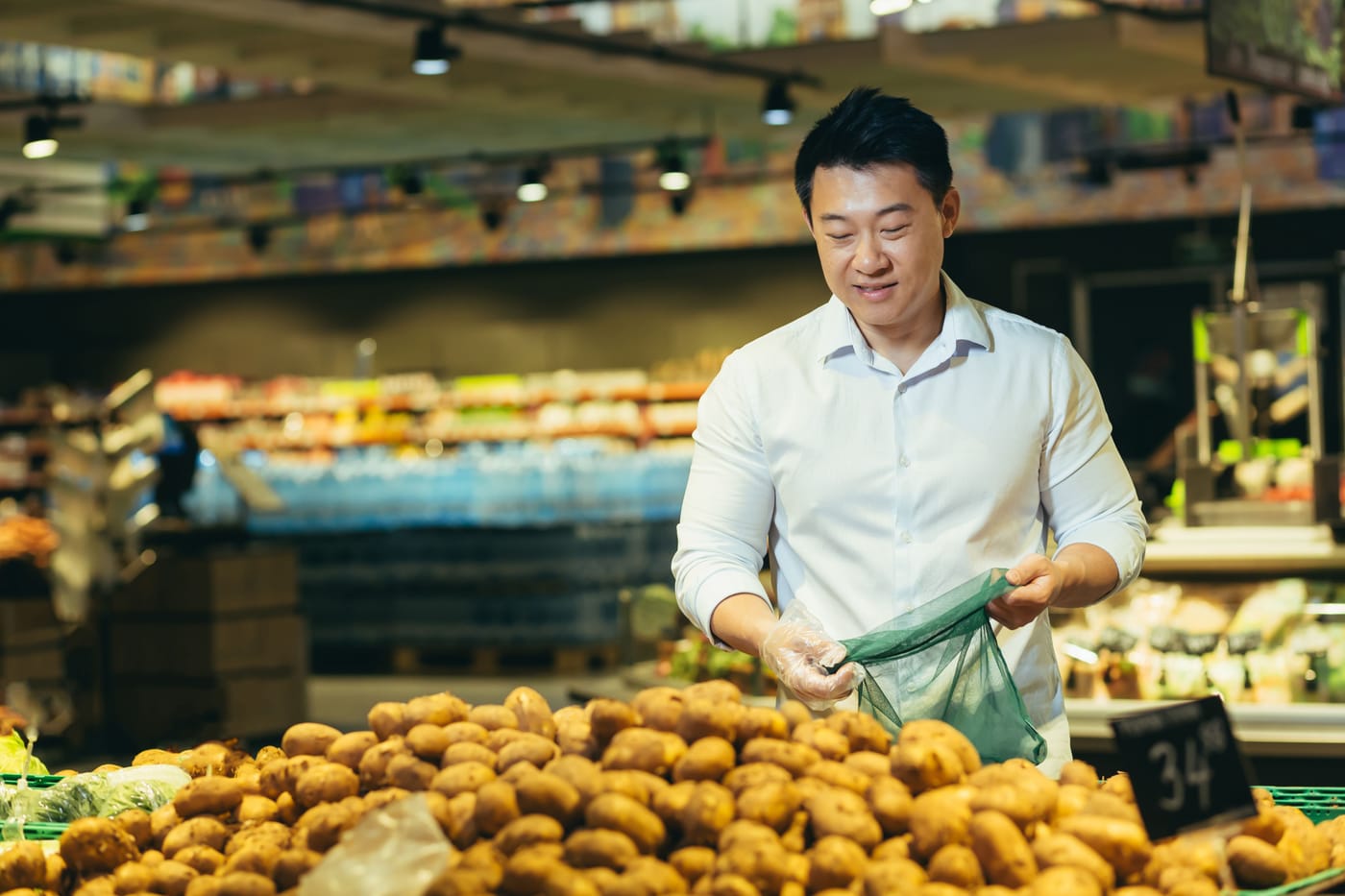
Flashfood takes a different approach. Rather than surprise bags, it shows you exactly what's available — photos, descriptions, and prices — for items at participating grocery stores nearing their sell-by dates. You browse, select, pay through the app, and pick up at a designated section of the store.
The discount is typically 50% off retail price. Partner stores include Kroger, Meijer, Giant Eagle, and dozens of regional chains. In 2025, Flashfood users diverted more than 21 million pounds of food waste from landfills while saving a collective $56 million on groceries — averaging out to real, consistent savings on everyday items.
The item-by-item model suits people who want to plan. Flashfood works like a secondary aisle in the grocery store that most shoppers walk past without knowing it exists.
The Math
Neither app requires a subscription. Both are free to download. The savings depend entirely on how often you use them and what's available in your area — urban users with more partner locations will see more options than rural users — but people who build the apps into regular grocery routines consistently report cutting their bills by 20 to 30 percent on targeted items.
The food is not damaged, expired, or lower quality — it's inventory that lost a race against a calendar. Bread baked this morning. Produce ordered a week ago. Prepared food made for today's lunch rush. The sell-by date is a business deadline, not a safety cliff.
Getting Started
Both apps are available on iOS and Android. Search your zip code after downloading to see which businesses near you are participating — coverage varies significantly by city. Too Good To Go tends to have stronger restaurant and bakery representation; Flashfood leans toward grocery chains.
The food waste problem is large enough that no app solves it. But for anyone paying attention to what groceries cost right now, these two offer a practical, immediate reduction that doesn't require coupons, memberships, or changing where you shop.