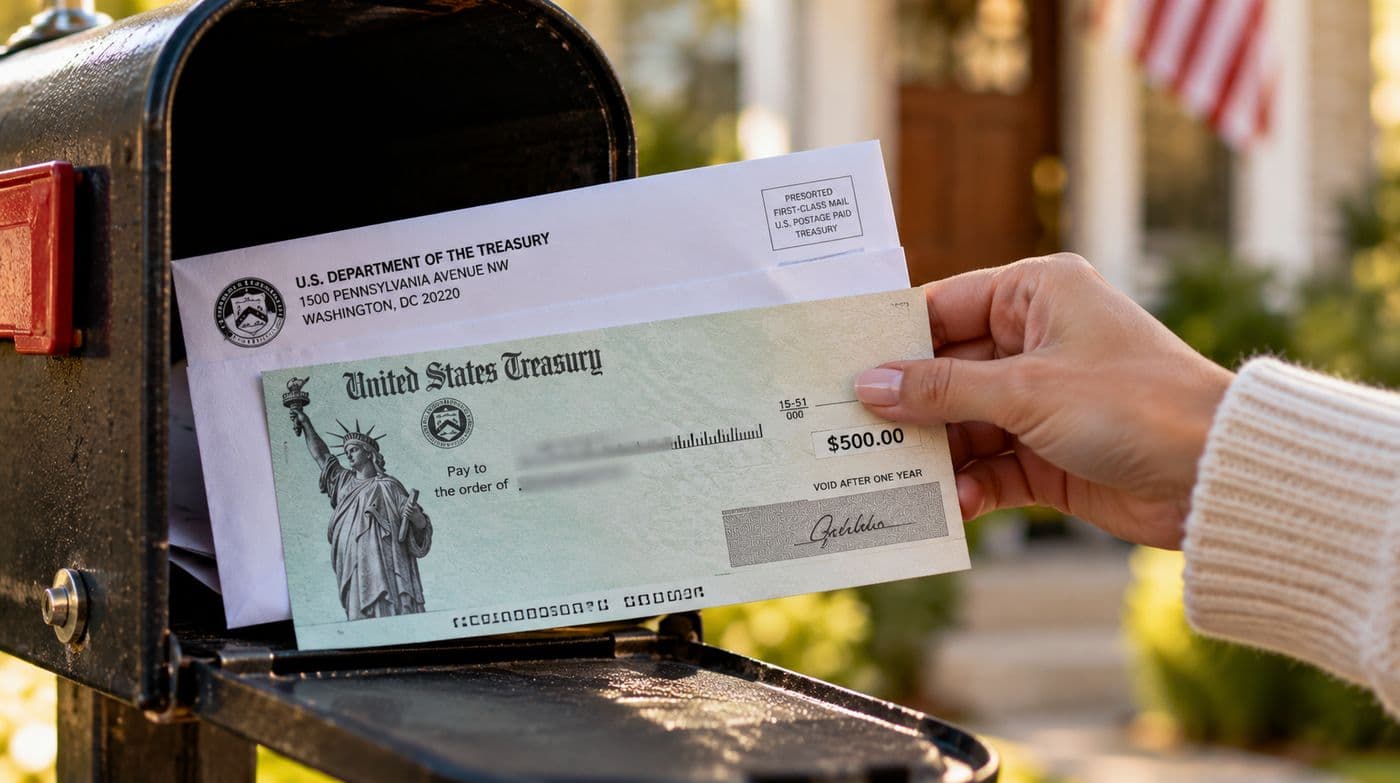
The Treasury Department started mailing $500 checks to nearly 1 million Americans on October 1. If you bought health insurance through HealthCare.gov in 2026 without federal help paying for it, there is a real possibility that $500 is already on its way to your mailbox.
This is not a scam. It is not a phishing email. It is a federal government refund that the Trump administration announced on September 10, and the checks started going out this morning.
Here is exactly who gets one — and what to do if you think you qualify but aren't sure.
Who Qualifies
The payments are limited and specific. Not every ACA enrollee qualifies. Here is the complete list of requirements:
You must have bought health insurance through HealthCare.gov — the federal marketplace. If you enrolled through your state's own exchange (California's Covered CA, New York State of Health, Massachusetts' Health Connector, and 17 other state-run exchanges), you do not qualify under this payment. The 30 states using HealthCare.gov are the ones covered.
You must not have received premium subsidies or tax credits. The payment goes to people who paid the full, unsubsidized cost of their ACA premiums — middle and higher-income households who earned too much to qualify for federal help. If you received any premium assistance, you are not in this group.
Checks are automatic. The White House says eligible recipients have already been identified from enrollment records. You do not need to file a claim, call anyone, or visit a website to receive the payment. It will arrive by mail, accompanied by a letter signed by President Trump.
Why the Government Is Sending This Money
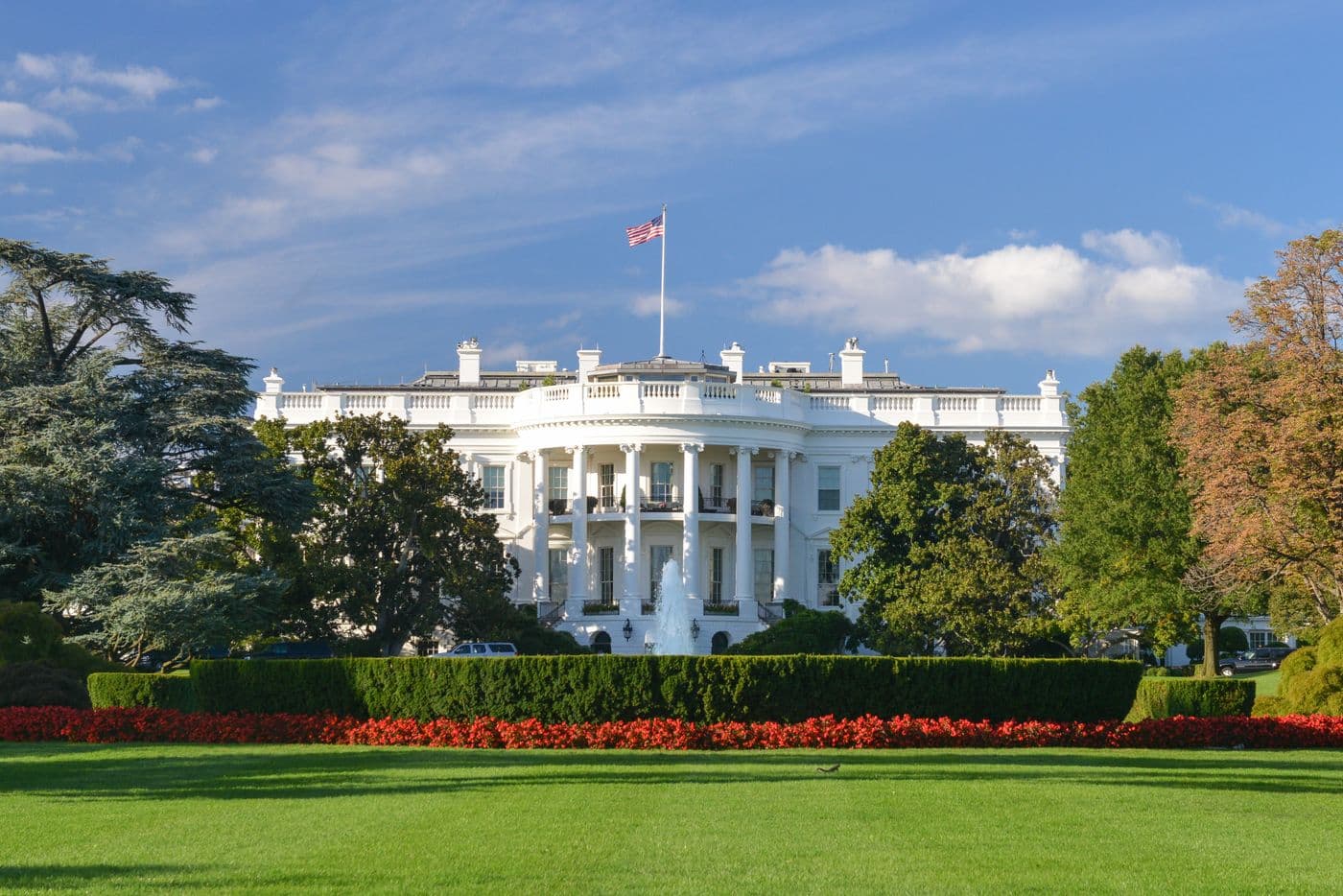
The White House describes the $500 payments as a refund of ACA exchange "user fees" that were allegedly passed on to consumers through higher premiums during the Biden administration. The administration calls these fees an "overcharge."
Health policy experts are more skeptical. The context matters: ACA premiums soared an average of 26% in 2026 after enhanced federal subsidies — introduced during COVID and extended under Biden — expired. Unsubsidized enrollees were hit hardest. One Cornell health policy expert called the $500 payment a "joke" given that premium increases of $1,000 or more per year dwarf what the refund covers.
Whether $500 adequately addresses those premium increases is a policy argument. The check itself is real, and it is in the mail today.
The States Included — and Excluded
The 30 states using HealthCare.gov for 2026 ACA enrollment — and therefore included in the payment — cover most of the country. States excluded because they run their own exchanges include California, Colorado, Connecticut, Idaho, Kentucky, Maryland, Massachusetts, Minnesota, Nevada, New Jersey, New Mexico, New York, Pennsylvania, Rhode Island, Vermont, Virginia, Washington DC, and Washington state.
If you're not sure which marketplace you used, log into your HealthCare.gov account. If you have an account there with active 2026 coverage and paid your premiums without subsidies, you are in the covered group.
What to Do Right Now
Step one: Check whether you enrolled through HealthCare.gov — not a state exchange — in 2026. Log in at HealthCare.gov to confirm.
Step two: Check whether you received premium tax credits. Your 1095-A form from the marketplace will show this. If the "advance premium tax credit" column shows zero, you paid full price.
Step three: Make sure your mailing address on file with HealthCare.gov is current. The check is going to your address on record. If you've moved since enrolling, update it now.
Step four: Watch your mail. The checks started going out today and are expected to arrive within standard postal delivery windows — typically 5 to 10 business days.
No website to visit. No claim to file. No phone number to call. Just a check in the mail — if you qualify.