Tony Barzar has been scanning groceries since before the internet existed. He started working at Price Club — the warehouse retailer that eventually became Costco — in 1986. He's 62 now. He earns $32.90 an hour. He has more than $1 million in his 401(k), a three-bedroom house with a pool, and he's been to Europe twice.
"I didn't think me and my family would reach where we sit now," Barzar told The Wall Street Journal.
He was offered supervisory roles multiple times. He turned them all down. He likes working with customers. "I would say this is my calling, right where I'm at." Despite having saved enough to stop working, he's in no rush to leave. "I could retire, but what would I do?"
How the Math Works
Barzar's story is less about luck than about the financial arithmetic of staying at a company that makes staying worthwhile.
Costco recently raised its hourly ceiling to $32.90 for most-tenured workers, sweetened its annual bonus for employees reaching the 30-year mark, and added extra paid vacation for the same milestone. Hourly workers reach top-out pay — currently $32.90 — after approximately five years of full-time work. Entry-level starts at $21 per hour.
Over 40 years, the combination of above-market wages, employer-matched 401(k) contributions, and Costco's rising stock price compounded into something most Americans never see from a retail career. An employee with 11 years at Costco recently reported $130,000 in retirement savings on Reddit. An employee with nearly 30 years reported $1.4 million saved, with plans to retire in five years. Barzar's story generated attention because it sounded impossible. His colleagues on Reddit said it wasn't unusual.
The Number That Matters More Than His Hourly Rate

Here is the part of Barzar's story that gets less coverage than the wage figure.
His wife was diagnosed with stage 3 brain cancer. She required three brain surgeries. Costco's health insurance covered all of them. Barzar took paid leave to support his family during that period.
The financial difference between having comprehensive employer health insurance and not having it — at that level of medical need — is the kind of number that can determine whether a family survives a crisis or doesn't. The $32.90 hourly rate is the number most headlines focus on because it's concrete and startling. The health insurance was the number that actually protected everything he'd built.
This is the piece of the Costco model that is hardest to replicate without buying into the whole system: the wages are visible, but they're embedded in a benefits structure that functions as a coherent unit.
Why Costco Does This
Costco's executives have been straightforward with the Journal and others about the business logic behind paying workers well. Experienced employees provide better customer service. Experienced employees train new hires more effectively. Low turnover reduces the cost of constantly onboarding and training new people.
The efficiency wage model — paying workers above-market rates to reduce turnover and increase productivity — has theoretical support going back decades in economics. Costco is one of its most prominent real-world demonstrations. The company's 90%+ membership renewal rate, a figure the company's entire revenue model depends on, is partly a product of the shopping experience that long-tenured, engaged employees deliver.
The cost of keeping Tony Barzar for 40 years is lower than the cost of replacing him with a new hire every two years. That calculation, repeated across hundreds of thousands of employees, is what produced his $1 million.
What Most Retail Workers Don't Have
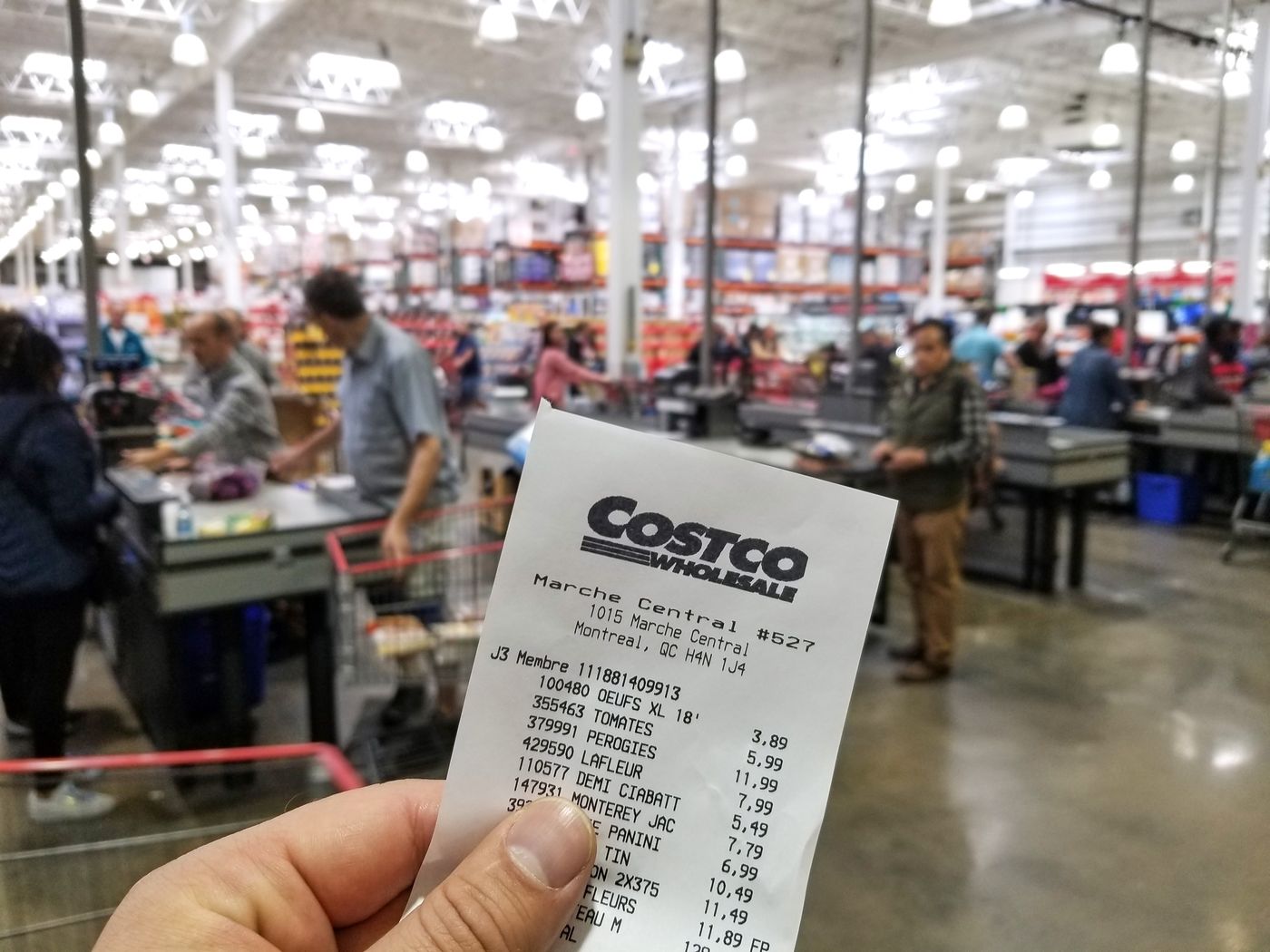
The median retail worker in the United States earns approximately $18 per hour. Most do not have employer-matched 401(k) plans. Most do not have health insurance that covers three brain surgeries.
Barzar's story resonates partly because it describes a version of retail work that almost nobody else experiences — a company that treats the cashier scanning your groceries as a long-term investment rather than a replaceable unit of labor. His $1 million isn't a rebuke of retail work. It's a rebuke of how retail work is typically structured.
"Costco has been good to me," Barzar said. The math agrees.