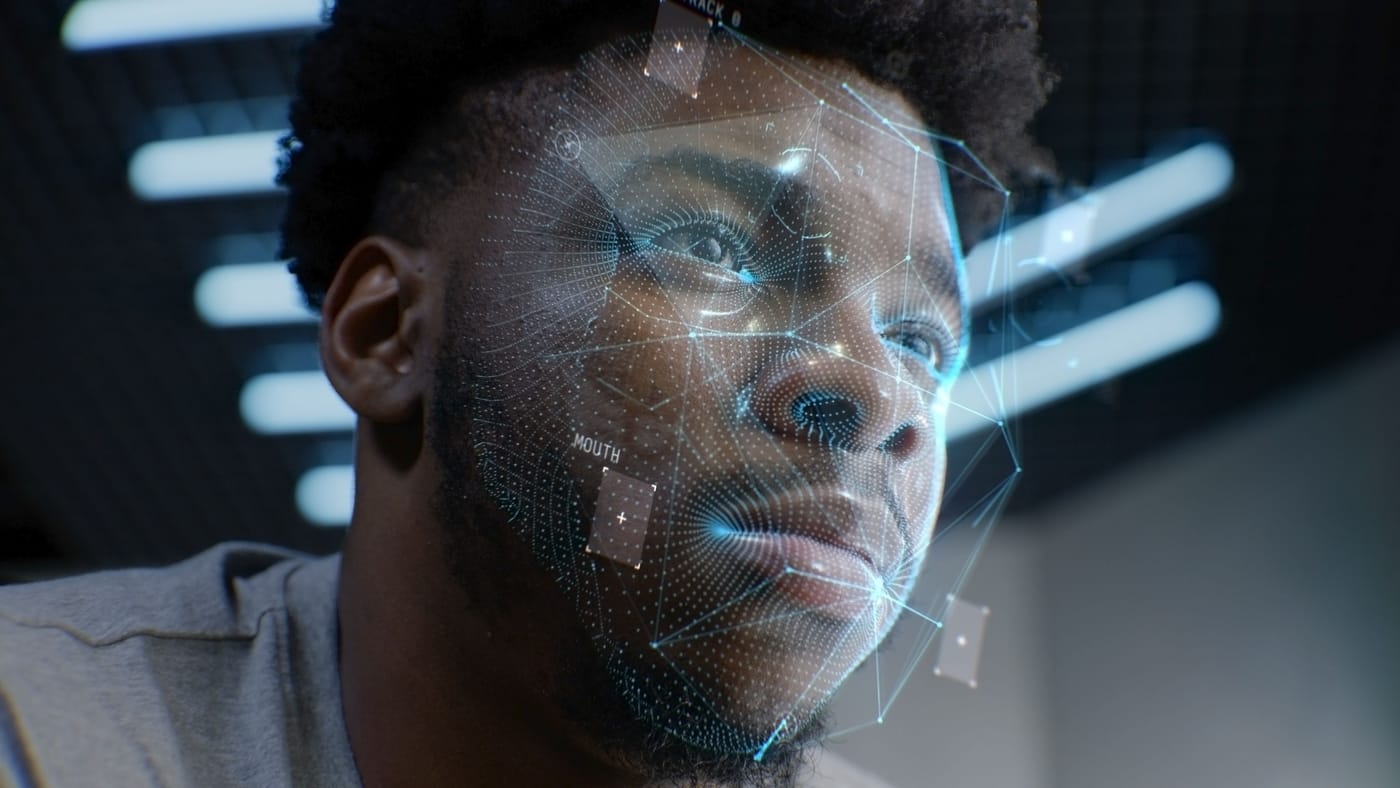
A reporter at The Atlantic recently tested a piece of software called MorphCast on herself during a meeting with her boss. The software, which integrates with Zoom and takes over a device's camera, tagged her in real time as "amused," "determined," "interested," and — at certain points — "impatient." She hadn't said anything impatient. She had simply looked that way.
MorphCast is one of dozens of emotion AI tools now entering the workplace, and it represents a new phase in employee monitoring: not just tracking what you do, but tracking what you feel while you do it. The global market for emotion AI is projected to triple to $9 billion by 2030. The EU has already banned its use in workplaces for most purposes. The US has not.
What MorphCast Actually Does
The tool analyzes facial muscle movements in real time using machine learning models trained on labeled datasets of emotional expressions. It can report on whether a meeting participant appears engaged, bored, amused, frustrated, or impatient — continuously, throughout a call, without the participant's explicit knowledge that it's running.
The company markets this to employers as a productivity and engagement tool: useful for monitoring whether employees are paying attention during training sessions, whether students are engaged in class, and whether customers are in the right mood for a promotion. A McDonald's location in Portugal has reportedly used it to determine whether customers at the counter are likely to respond to a coupon offer.
The underlying science is more contested than the product pitch suggests. Experts who study emotion recognition warn that the models draw on flawed physiological assumptions — that specific facial configurations reliably map to specific internal states — and that the algorithms can reproduce racial bias, producing systematically different readings for different demographic groups. The score that tells your manager you seemed impatient may reflect the model's training data more than your actual state of mind.
Already at MetLife, Burger King, and Your Office

Emotion monitoring at work is not new — the entire service industry has always required workers to perform emotional states on demand. What's new is automation and scale.
MetLife has been using an AI system that listens to call center agents' voices and monitors energy, pace, and tone. When the system determines a worker sounds tired, a coffee cup icon appears on their screen as a nudge. Burger King is testing an OpenAI-powered headset called "Patty" at drive-through windows that scores workers' friendliness in real time. The furniture company Framery has outfitted office chairs with biosensors that read heart rate and breathing.
The pattern across all of these deployments is the same: the worker's internal state is now a data point, tracked and reported to someone with authority over them.
Even With the Camera Off
If you turn off your camera, something else is still watching. Slack has an integration called Aware that scans employee messages for "sentiment and toxicity," evaluating the emotional tone of internal communications without requiring video access. Microsoft's Azure platform offers similar sentiment analysis for workplace communications. Employees generating these signals often have no clear visibility into how the data is being used or stored.
Your Surveillance Data Is Training Your Replacement
The detail that makes this more than a privacy story comes from a Business Insider investigation published in April: companies that monitor workers can use that behavioral and emotional data to train AI agents. The same surveillance infrastructure that watches how you work — your communication patterns, your engagement signals, your productivity rhythms — can serve as training data for AI systems being built to perform that work.
The employee being monitored is not just being evaluated. They're generating the dataset that could eventually be used to replace them.